
Last updated November 25, 2026
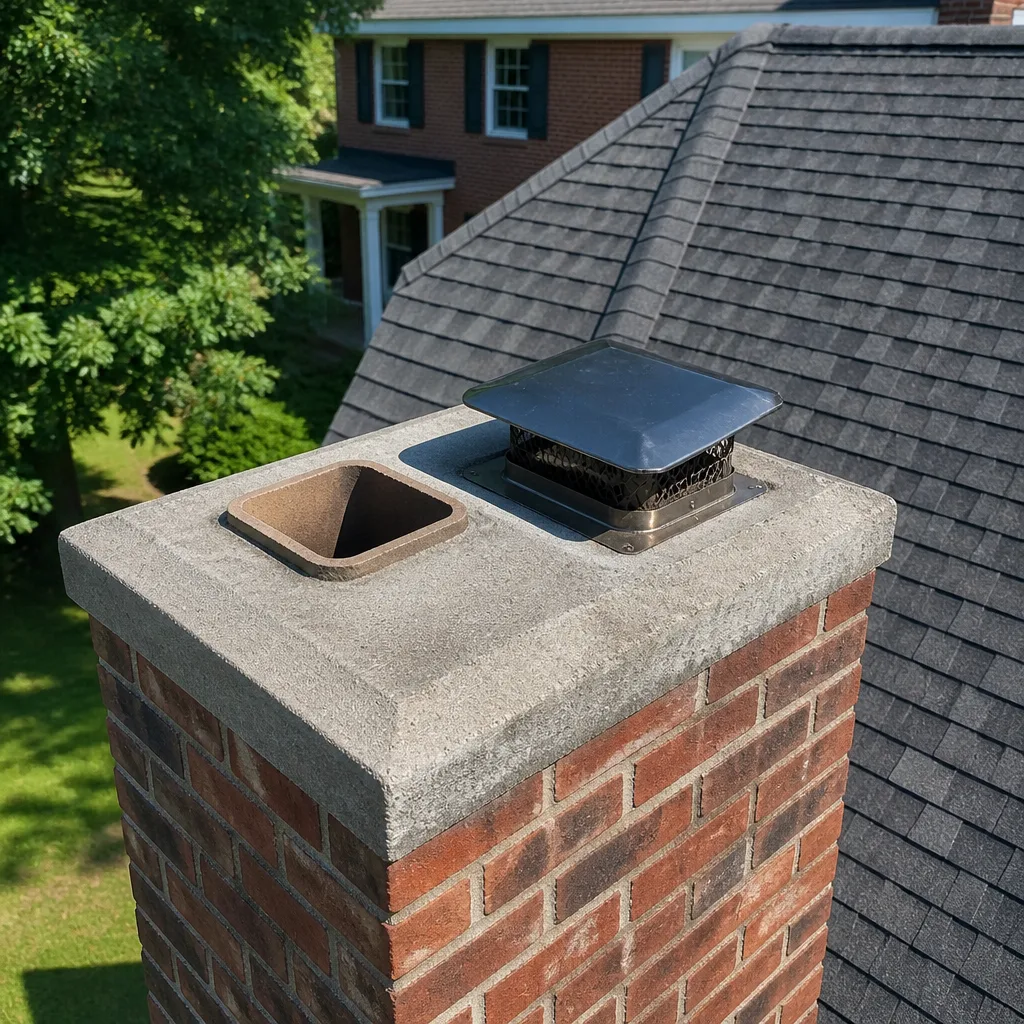 Sweep & inspection
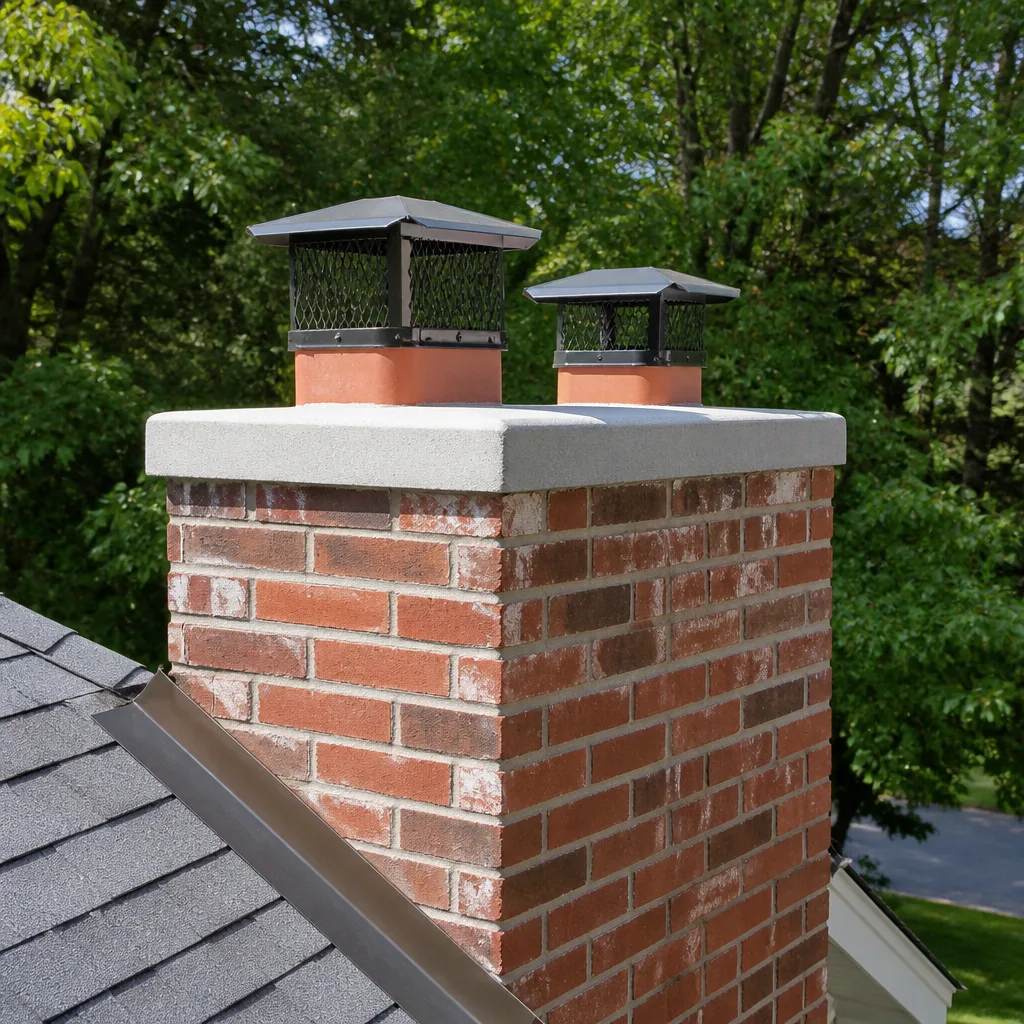 Caps & crowns
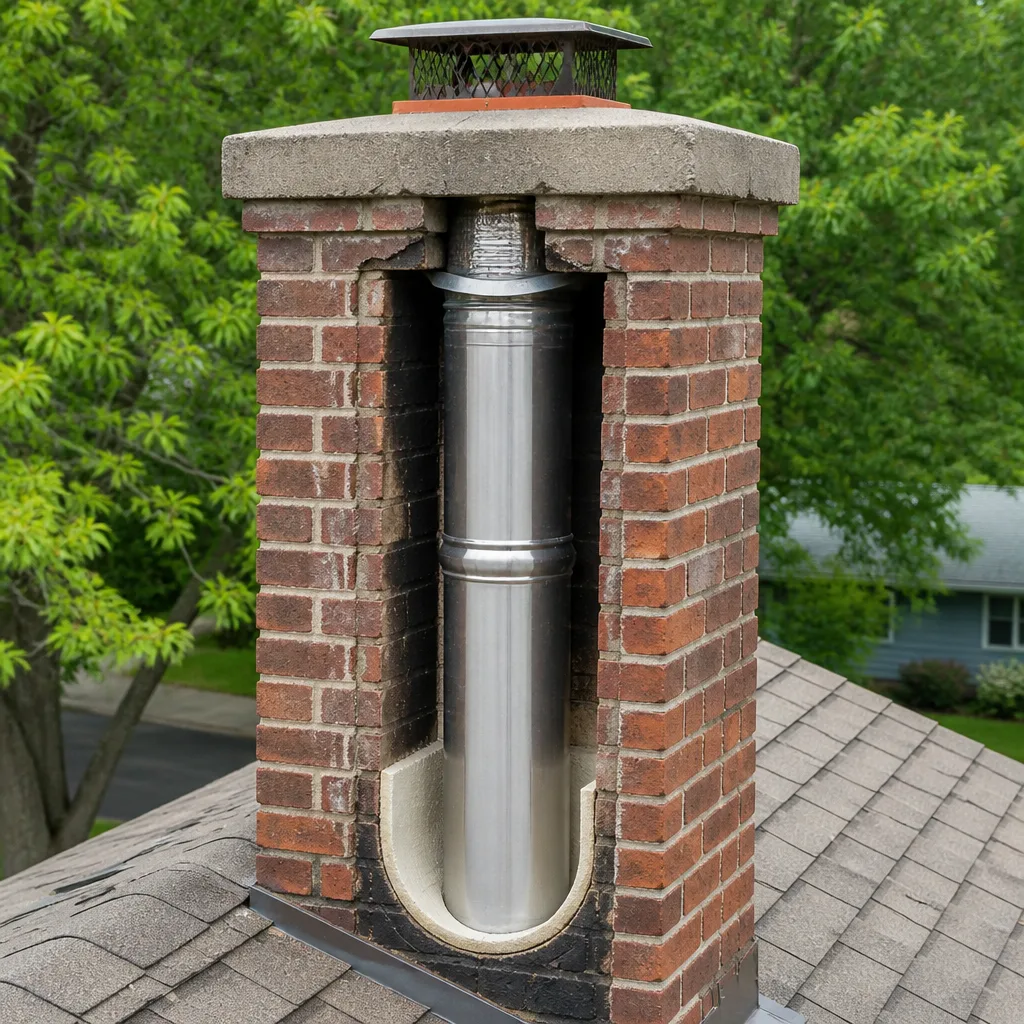 Flue relining
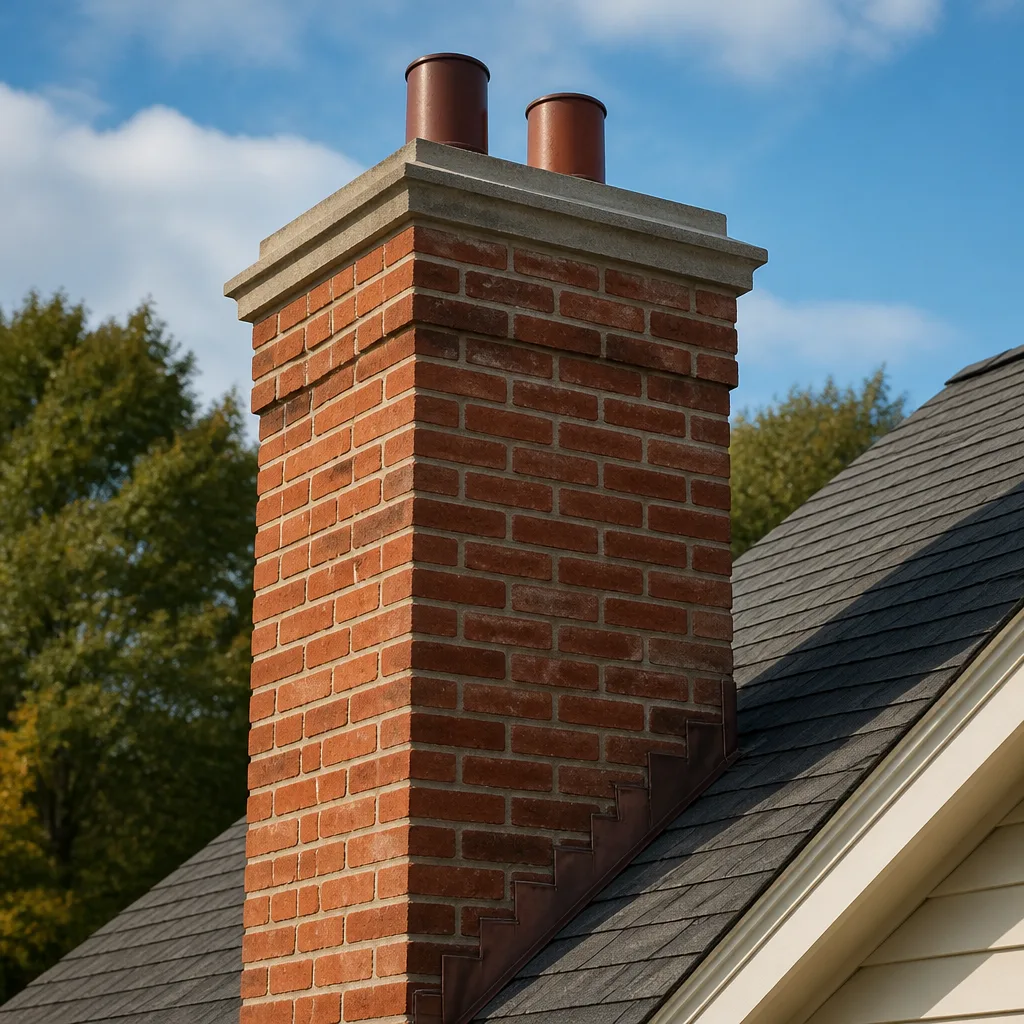 Masonry repair
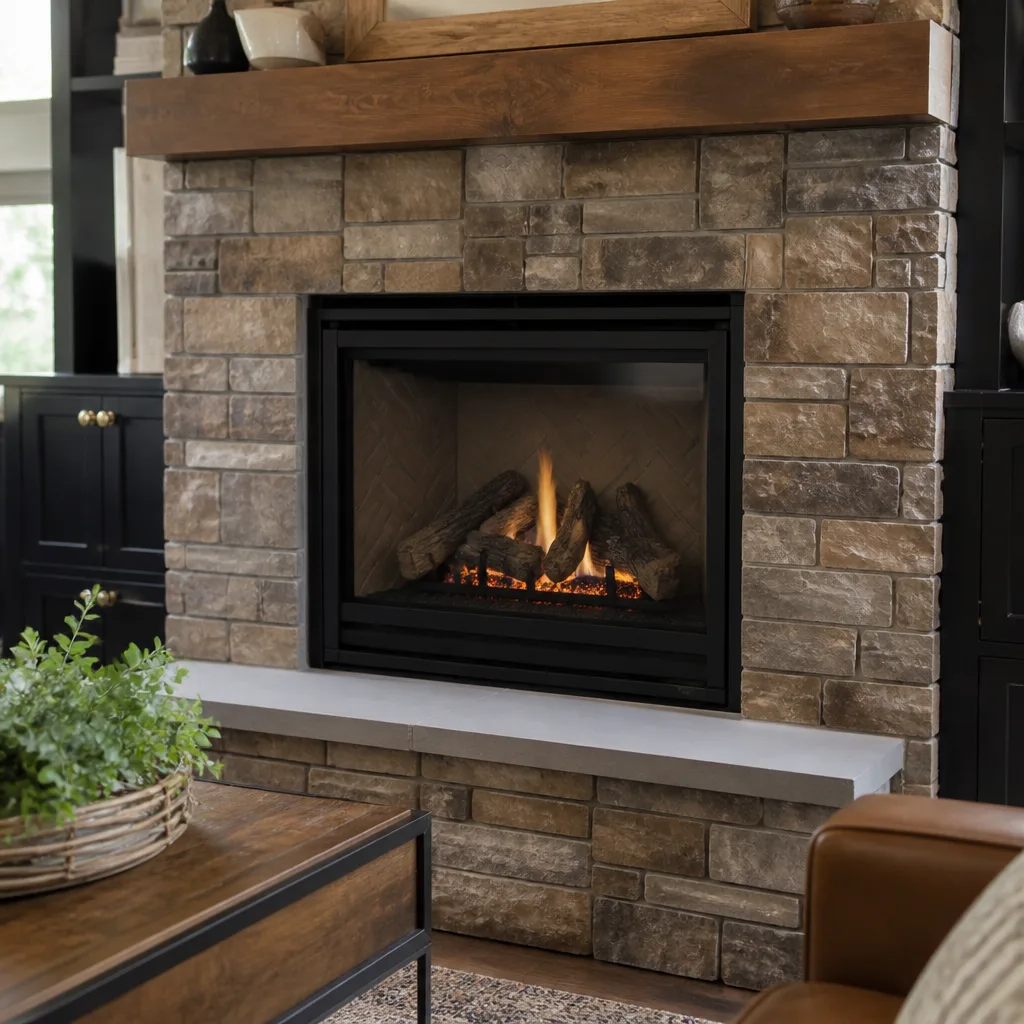 Gas fireplace service
Level 1 sweep and inspection to the NFPA 211 annual standard - flue, crown, cap, and flashing checked and photographed
Chimney sweep logs do not sweep chimneys. They loosen some creosote - which then falls where a brush and vacuum still have to collect it.
Seasonal Chimney Cleaning Care for Soundview: Year-Round Homeowner’s Guide
Most chimney advice tells you to book a sweep before winter and calls it done. That advice is correct, and it’s incomplete. A chimney in Soundview takes a different kind of beating in each season, and the damage that matters most isn’t always the damage winter gets blamed for. Summer heat cracks crowns while nobody’s looking up. Spring reveals what winter moisture did to the masonry. Fall is when the firebox gets its one real check before you start lighting fires again. Treating chimney care as an annual event means you’re always finding problems after they’ve had months to compound. This guide assigns specific tasks to each season, based on what that season actually does to masonry and flue systems in Soundview.
Quick Answer
Seasonal chimney care in Soundview means inspecting in spring, waterproofing and repairing masonry in summer, doing a pre-season safety check in fall, and monitoring draft and creosote during winter burning. One annual sweep isn’t enough on its own because each season stresses a different part of the system. The seasonal work is what keeps small damage from becoming structural damage.
Styles & brands we work with
- Sweep & inspection
- Caps & crowns
- Flue relining
- Masonry repair
- Gas fireplace service
Table of Contents
- Why seasonal chimney care matters in Soundview
- Spring: reading the moisture damage winter left behind
- Summer: crown and cap inspections, and the right window for masonry repair
- Fall: the real pre-season checklist
- Winter: in-use monitoring and when to stop burning
- How Soundview’s climate treats masonry differently
- Common mistakes to avoid
- Frequently asked questions
Why seasonal chimney care matters in Soundview
A chimney is one connected system. The crown protects the masonry. The masonry holds the flue. The flue carries the smoke. When one part fails, the stress moves to the next part, and that’s why small problems snowball. A hairline crack in a crown lets water into the brick. Water freezes, expands, and opens the crack wider. The next season, that water is reaching the mortar joints. Two seasons later, you’re pricing a rebuild.
The reason seasonal care catches problems earlier than an annual sweep is timing. A sweep before winter tells you whether the flue is clear for burning. A spring inspection tells you what the winter actually did to the structure. Those are two different questions, and in our experience the spring one is more diagnostic. Winter is when the chimney is under the most stress: freeze-thaw cycles in the masonry, moisture from condensation, and fire running hot and cold. The inspection right after the heating season is when that damage is still small enough to fix cheaply.
In Soundview, this timing matters more than in a rural setting because the houses tend to be closer together and the masonry tends to be older. A chimney problem that only affects your fireplace in a suburban house can affect a neighbor’s air quality or a shared roofline in a denser block. That’s one reason we treat inspection as a standalone service rather than a free add-on that exists to trigger an upsell. You should be able to get the diagnosis without the pressure.
- Spring inspection shows what winter did to the masonry and crown.
- Summer repair is when waterproofing and mortar work cure properly.
- Fall safety check confirms the flue, damper, and cap are ready for burning.
- Winter monitoring catches draft problems and creosote buildup before they escalate.
Spring: reading the moisture damage winter left behind
The first warm weeks after the heating season are the most diagnostic time to look at a chimney. Winter leaves a fingerprint, and spring is when you can see it clearly. Water that got into the masonry in fall has been freezing and thawing all season, and the evidence shows up as spalling brick faces, crumbling mortar joints, and white chalky deposits on the surface. Those deposits are efflorescence, a sign that moisture has been moving through the brick and evaporating out.
The spring inspection is also when we look at the crown, the cap, and the flashing where the chimney meets the roof. Those are the three entry points for water, and each fails in a different way. A crown with a hairline crack looks fine from the ground but shows clearly from the roof. Flashing that has pulled away from the masonry shows up as a dark stain on the ceiling below, which most homeowners notice before they notice the flashing itself.
The spring checklist we work from:
- Inspect the crown for cracks, spalling, and separation from the flue.
- Check the cap for rust, missing screens, and animal nests.
- Look for efflorescence and spalling brick across the exterior.
- Check flashing and the roof seal around the chimney.
- Sweep the flue and document creosote accumulation from the winter.
- Camera-inspect the flue interior for cracks and liner damage.
Spring is also the right moment to schedule a full chimney sweep if you haven’t done one recently, because the creosote that built up over the winter is easiest to remove before it hardens further. If the spring inspection finds structural problems, the repair work can go on the summer schedule when the weather is on your side.
Summer: crown and cap inspections, and the right window for masonry repair
Summer heat does more damage to unprotected masonry than a whole winter of freeze-thaw, and almost nobody is looking up at their chimney in August. Thermal expansion during a July heat wave pushes on every crack that winter opened. A crown that was a hairline separation in April can be a separated crown by September, and by the time it’s visibly failing, water has been getting into the flue for months.
The summer inspection is about the top of the system. The crown, the cap, and the masonry at the top of the stack. If the crown is failing, we can often repair or replace it without touching the rest of the chimney. If the cap is missing or rusted through, that’s the moment to install a proper one. A working chimney cap & crown does more to protect the flue from water, animals, and debris than any other single piece of the system.
Summer is also the correct window for masonry repair. Mortar needs temperatures above freezing to cure properly, and it needs to not be fighting rain every day. If the spring inspection found cracked mortar joints or spalled brick, the repair should happen in summer so the mortar has weeks to cure before the fall rains. The materials matter here. We work with the same materials chimney engineers specify, including Copperfield crown mix and Famco mortar, because a big-box patch job that fails in two years costs more than doing it correctly once.
Waterproofing is another summer task. A breathable masonry water repellent applied in warm, dry weather will protect the brick through the next winter. The application window matters: it needs a few dry days after application to cure, and that only happens reliably in summer.
Fall: the real pre-season checklist
Fall is when most homeowners think about the chimney, and that’s fine as far as it goes. Scheduling the sweep before the first burn is the right move. But the pre-season checklist is longer than that, and the items below are the ones that get missed. They are also the ones that cause most of the problems people call us about in December.
- Sweep the flue. Remove creosote from the winter before, and check the accumulation against the level where it needs to be re-swept. Most homeowners should have this done before the first fire of the season.
- Test the damper. Open and close it fully. A damper that sticks, doesn’t seat, or doesn’t open all the way will affect draft and let heat escape. If it doesn’t seat, the fireplace will feel cold even when it isn’t lit.
- Check the cap and screen. Animals nest in flues in fall. A missing or damaged cap screen is an open door. Look for nesting material, leaves, and debris at the top of the flue.
- Inspect the firebox. Look for cracked firebrick, deteriorated mortar in the firebox joints, and gaps around the damper frame. This is the one part of the system you can inspect without a camera.
- Check the smoke chamber and shelf. This is the area above the damper and below the flue. It’s where creosote accumulates in a way that a simple brush from the top doesn’t always clear.
- Confirm the flue is clear. A camera inspection at this point catches liner cracks and gaps that the sweep brush doesn’t find.
- Verify the cap is seated. A cap that’s loose will rattle in wind and eventually come off. Tighten or replace before winter storms.
The chimney repair items that turn up on the fall checklist should be scheduled before the first sustained cold, because masonry work in freezing weather is a compromise. If fall work needs to slide, do it in early spring rather than pushing through the winter.
Winter: in-use monitoring and when to stop burning
Winter is when you use the fireplace, and it’s when monitoring matters. You’re not doing structural repairs in winter, but you are watching for signs that the system isn’t performing the way it should. A fireplace that drafts poorly, smokes into the room, or smells strongly when it isn’t lit is telling you something. Draft problems in winter often indicate a flue that’s partially blocked, a cap that’s clogged with creosote or ice, or a damper that isn’t seating.
What to watch for during the burning season:
- Smoke rolling into the room when you open the door or start a fire. This is a draft problem, not a fire-building problem.
- A strong creosote smell when the fireplace is cold. That smell means creosote is present and has been absorbing moisture.
- Draft that changes dramatically with weather. Some variation is normal; a fireplace that won’t light in certain conditions is not.
- Visible creosote buildup on the flue walls, if you can see them. Glazed creosote is the kind that catches fire.
- A smell of smoke in the house even when nothing’s lit. This can indicate a blocked flue or a failed seal.
Stop using the fireplace mid-season if draft gets noticeably worse, if you smell smoke in the house, if you see glazed creosote on the flue walls, or if the firebox has developed cracks that weren’t there at the start of the season. Those are signs the system needs attention before you keep putting fire through it. Continuing to burn through a problem is how a small repair becomes a chimney fire. If you need to schedule a mid-season visit, call (866) 947-9290. We answer 24/7, with fast dispatch from 7am to 7pm, Sunday through Friday.
How Soundview’s climate treats masonry differently
Soundview isn’t a rural setting, and its chimneys don’t weather the way a farmhouse chimney does. Two things change the picture. The first is the urban heat island effect. Dense housing, pavement, and reduced tree cover mean summer surface temperatures on rooftops run higher than in the surrounding suburbs. Masonry absorbs that heat during the day and releases it slowly at night, and the expansion-contraction cycle is harder on crowns, mortar joints, and flashing than the ambient air temperature alone would suggest.
The second is proximity to Long Island Sound and the humidity that comes with it. Soundview sits near the water, and the humidity in the air is higher here than it is a few miles inland. That humidity does two things to a chimney. It slows the drying of masonry after rain, and it keeps creosote in the flue softer and more prone to absorbing moisture between burns. Soft, moisture-laden creosote is more likely to smell when the fireplace isn’t in use, and it’s the precursor to the glazed creosote that catches fire.
The combination of the two means Soundview chimneys tend to see moisture problems earlier than suburban chimneys of the same age. That’s why we treat waterproofing as a summer priority rather than an optional add-on. It’s also why the spring inspection here should look specifically at efflorescence and spalling, which are the early signs that moisture is moving through the masonry.
Common Mistakes to Avoid
- Treating the annual sweep as the whole job. The sweep clears the flue. It doesn’t inspect the crown, the cap, or the masonry. Those are the parts that fail and take the flue with them.
- Doing masonry repair in winter. Mortar needs above-freezing temperatures to cure. A patch installed in December will fail before spring, and you’ll pay for it twice.
- Skipping the spring inspection because the fall sweep was fine. A clear flue in October tells you nothing about what the winter did to the crown and masonry. Those are separate questions with separate answers.
- Waterproofing over wet masonry. Sealing in moisture is worse than leaving the brick unsealed. Waterproofing has to happen in a dry window, and summer is when that window exists reliably in Soundview.
- Ignoring the smell of creosote in summer. A fireplace that smells like creosote when it’s cold and humid has moisture in the flue. That’s a sign of a liner problem or a cap that isn’t keeping water out.
- Assuming a missing cap is a minor cosmetic issue. A missing cap lets in rain, animals, and debris. It’s one of the cheapest problems to fix and one of the most expensive to ignore.
- Burning through draft problems in winter. A fireplace that drafts poorly is telling you something. The right move is to stop burning and get it looked at, not to fight it through the season.
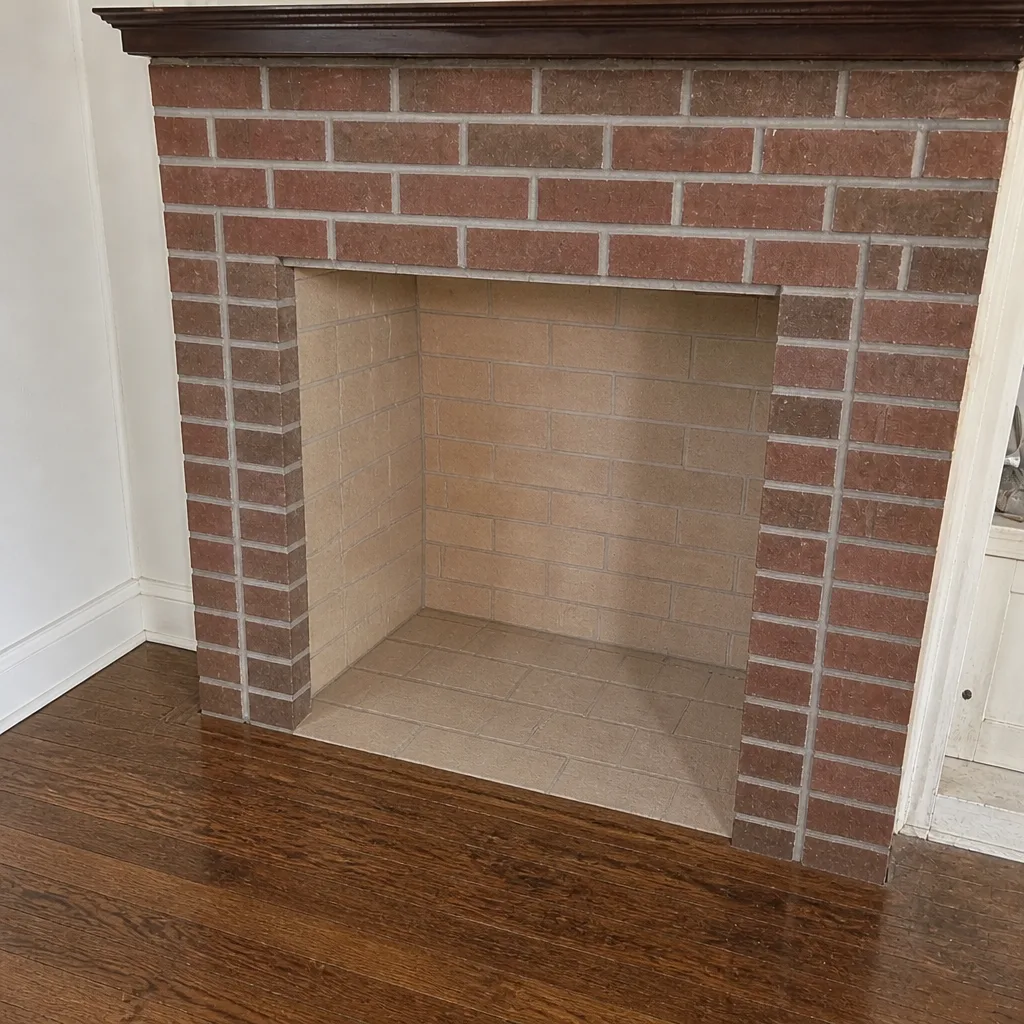
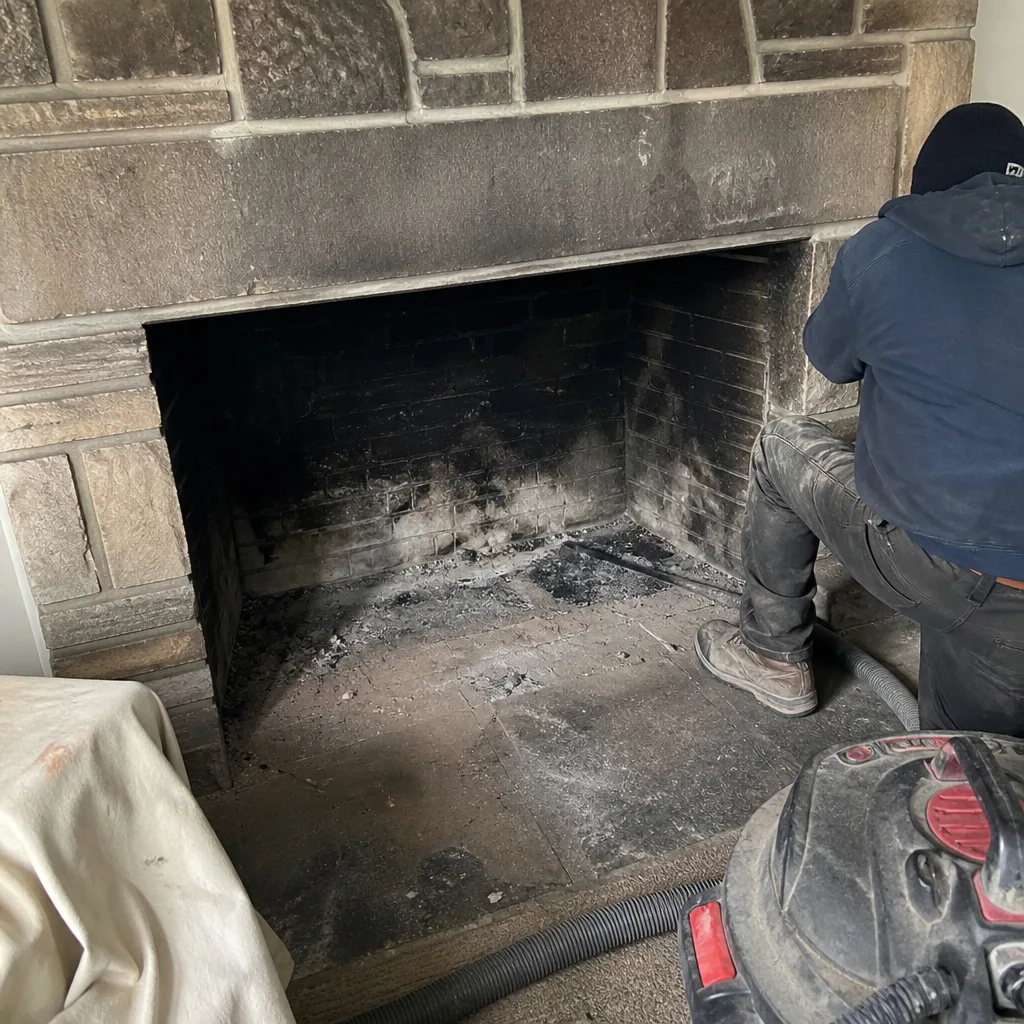
See the difference
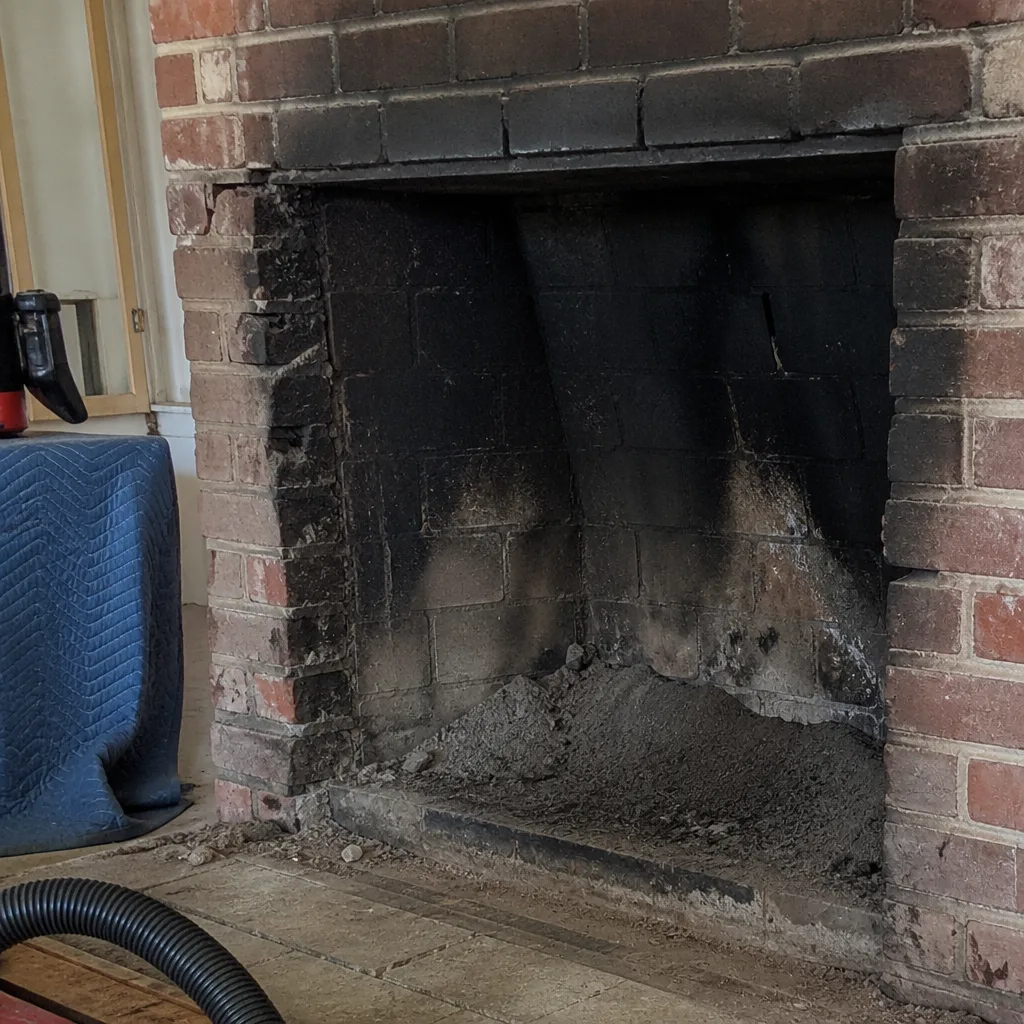 Before
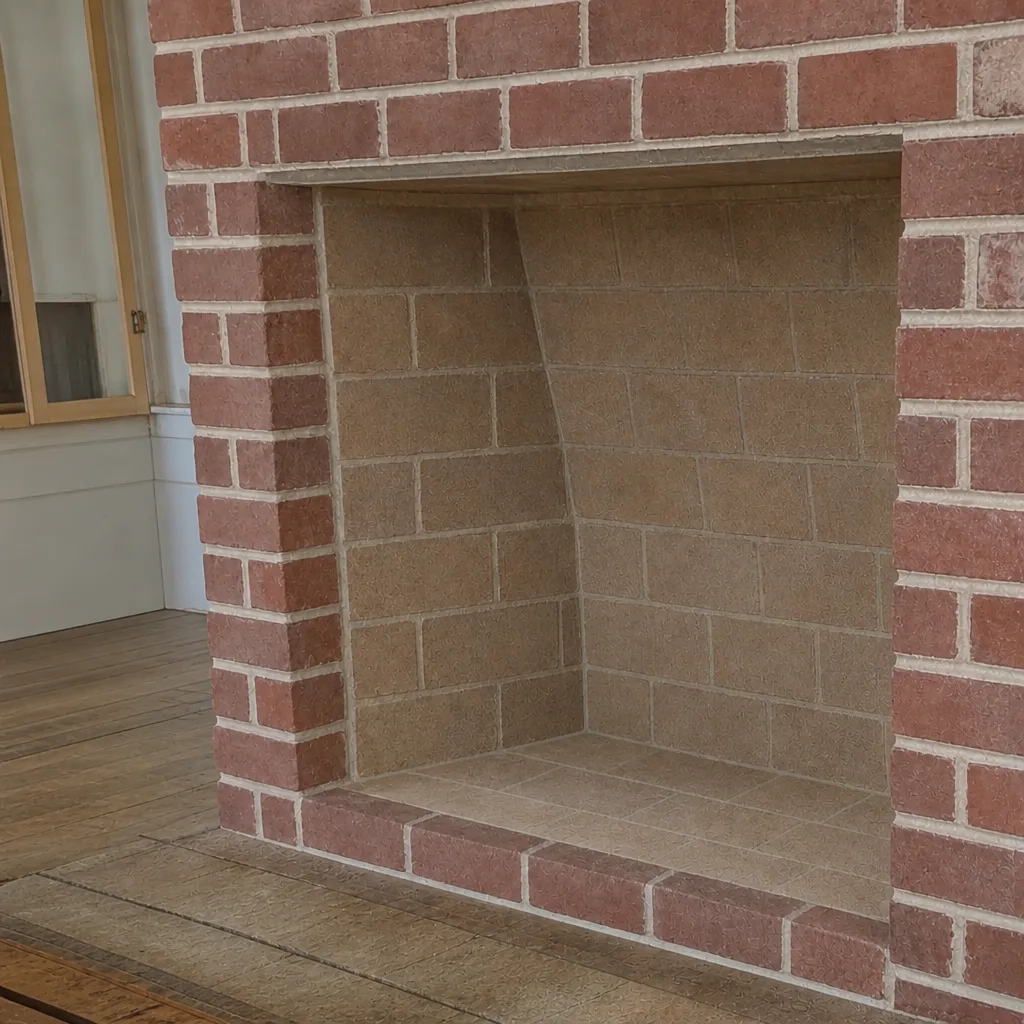 After
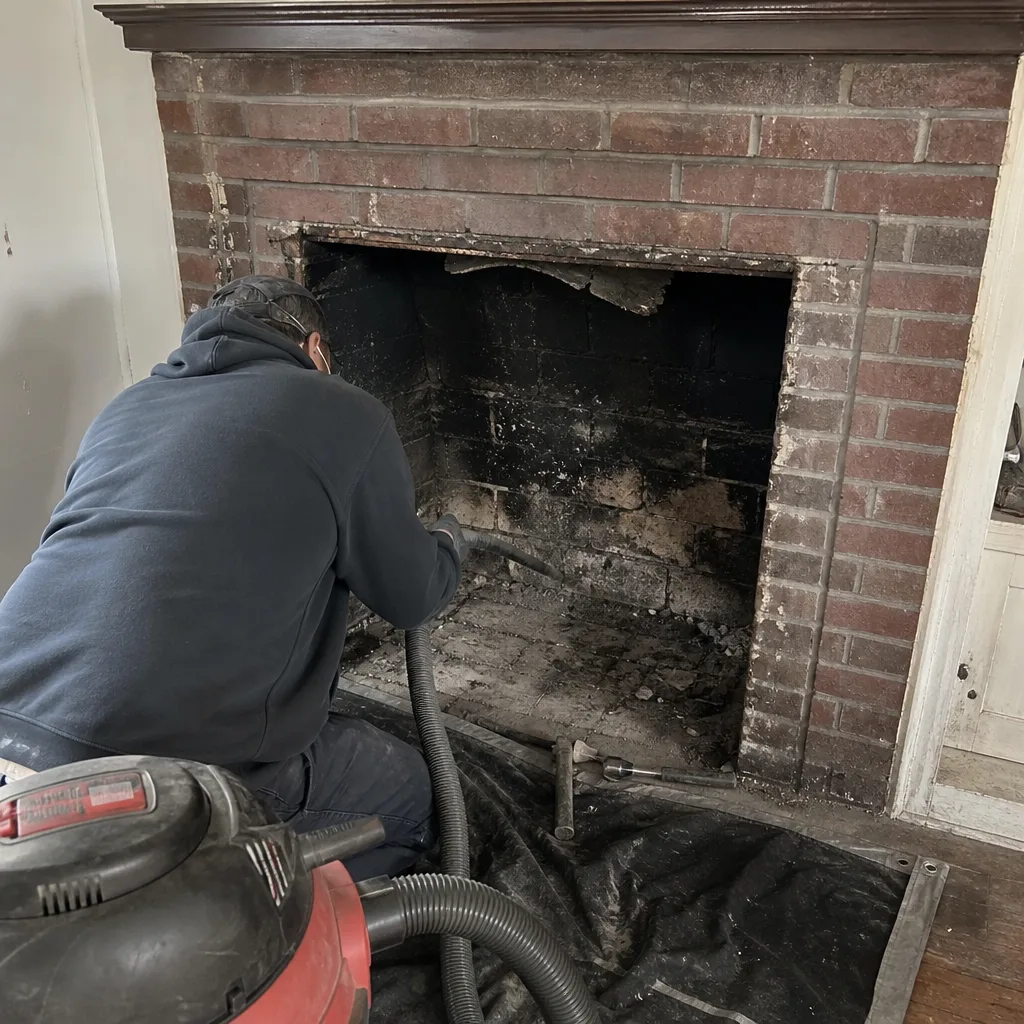 Before
 After
 Before
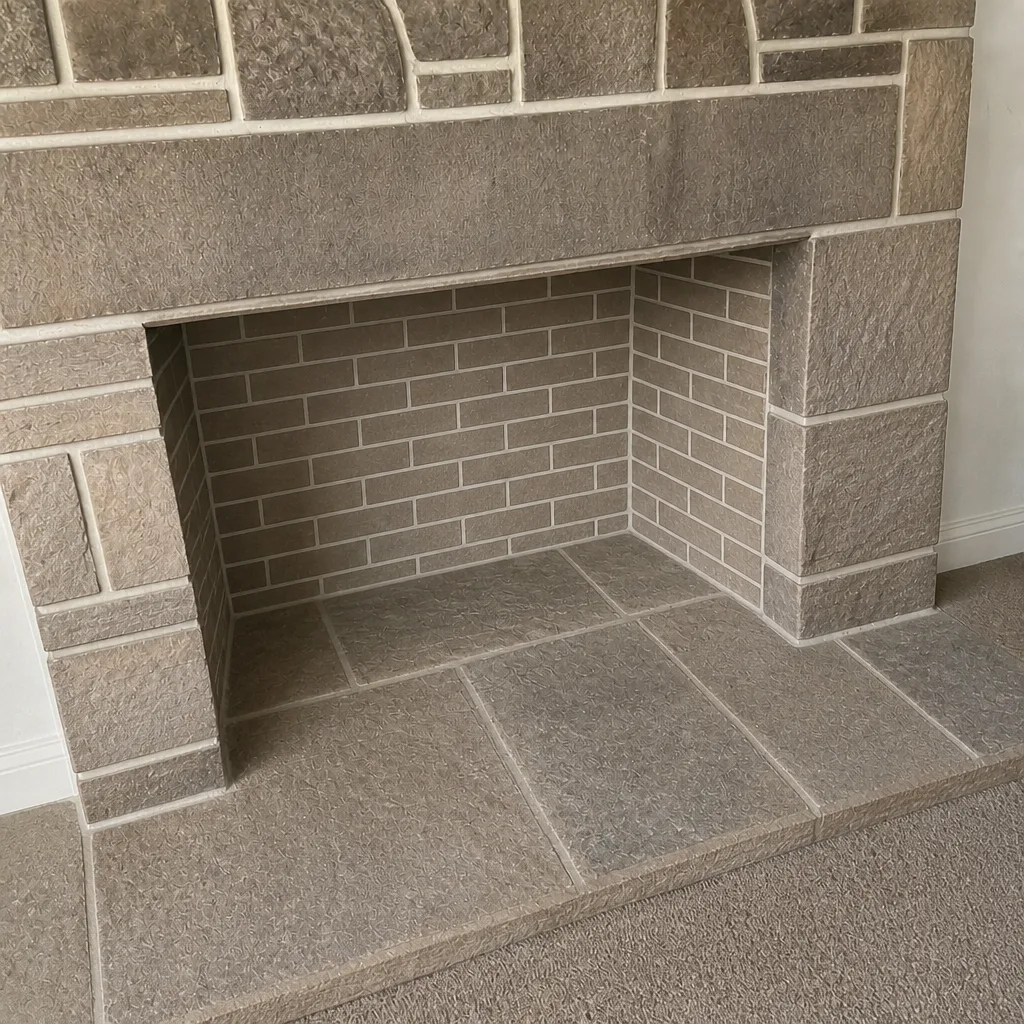 After
When to Call a Professional
Call a professional if you see spalling brick, crumbling mortar, or a cracked crown; if the fireplace smells of creosote when it isn’t lit; if draft problems appear in winter; or if it’s been more than a year since the last sweep. Call before you burn if the cap is missing, damaged, or clogged. Call if the firebox has visible cracks or if the damper doesn’t seat properly. These are the situations where a camera inspection will tell you what’s actually happening, and where the fix is cheaper the earlier it’s caught.
Chimney Sweep Soundview offers free estimates in Soundview. Call (866) 947-9290. We answer 24/7, with fast dispatch from 7am to 7pm, Sunday through Friday. Our technicians have up to 15 years of experience, and we work with the same materials chimney engineers specify.
Frequently Asked Questions
At least once a year, and more often if you burn heavily or burn unseasoned wood. The sweep itself is a flue-cleaning job, and the annual frequency is the baseline. Homes that burn daily through the winter often need a mid-season check as well. Call (866) 947-9290 for an exact quote on a sweep, and we’ll tell you whether you’re on the annual schedule or need something more frequent.
Yes, because they answer different questions. The fall sweep clears the flue for burning. The spring inspection shows what the winter did to the crown, masonry, and flashing. A chimney that swept clean in October can have a cracked crown by April, and that crack is what causes the liner damage that shows up two winters later. Call to schedule the spring inspection as a standalone visit.
You can apply a masonry water repellent yourself, but the prep and the timing are where most DIY waterproofing fails. The masonry has to be clean and dry, and it has to stay dry for the cure window. If there’s existing damage, waterproofing over it seals moisture in. A professional inspection first tells you whether the masonry is sound enough to seal. Call for a free estimate if you’re not sure.
Because creosote in the flue is absorbing moisture from the humid Soundview air and releasing it as a smell. Summer humidity makes this worse here than it would be inland. It usually points to a cap that isn’t keeping water out, a liner with cracks, or creosote that was never fully removed. A sweep and a camera inspection will tell you which. Call (866) 947-9290 for an estimate.
Stop when draft gets noticeably worse, when you smell smoke inside the house, when you can see glazed creosote on the flue walls, or when new cracks appear in the firebox. Those are the signs that the system needs attention before you keep running fire through it. Continuing to burn through a draft problem is how a small repair becomes a chimney fire. Call and book a sweep or inspection before the next burn.
HeatShield is a liner restoration system that seals cracks and gaps in an existing flue without a full tear-out. It’s the alternative to a full re-liner when the damage is within the range it can address. The savings versus full replacement can be significant, and it extends the life of a flue that’s still structurally sound. Whether it’s right for your chimney depends on the inspection findings. Call for a free estimate and we’ll tell you what we see on camera.
The Bottom Line
Seasonal care works because each season stresses a different part of the chimney, and the damage compounds if you only look once a year. Spring catches the moisture damage winter left behind. Summer is when crowns and mortar get repaired and waterproofed. Fall is the real pre-season checklist, and it goes further than scheduling the sweep. Winter is about monitoring draft, creosote, and the signs that tell you to stop burning. Soundview’s urban heat island and its proximity to Long Island Sound humidity mean the local chimney takes a harder seasonal ride than most. Treat the system as one connected asset and the yearly work stays small. Chimney Sweep Soundview covers the full scope, from Chimney Sweep Soundview services to liner restoration with HeatShield and DuraFlex, using the professional brands chimney engineers specify. Call (866) 947-9290 for a free estimate. We answer 24/7, with fast dispatch from 7am to 7pm, Sunday through Friday.
Written by the team at Chimney Sweep Soundview.