
Last updated November 25, 2026
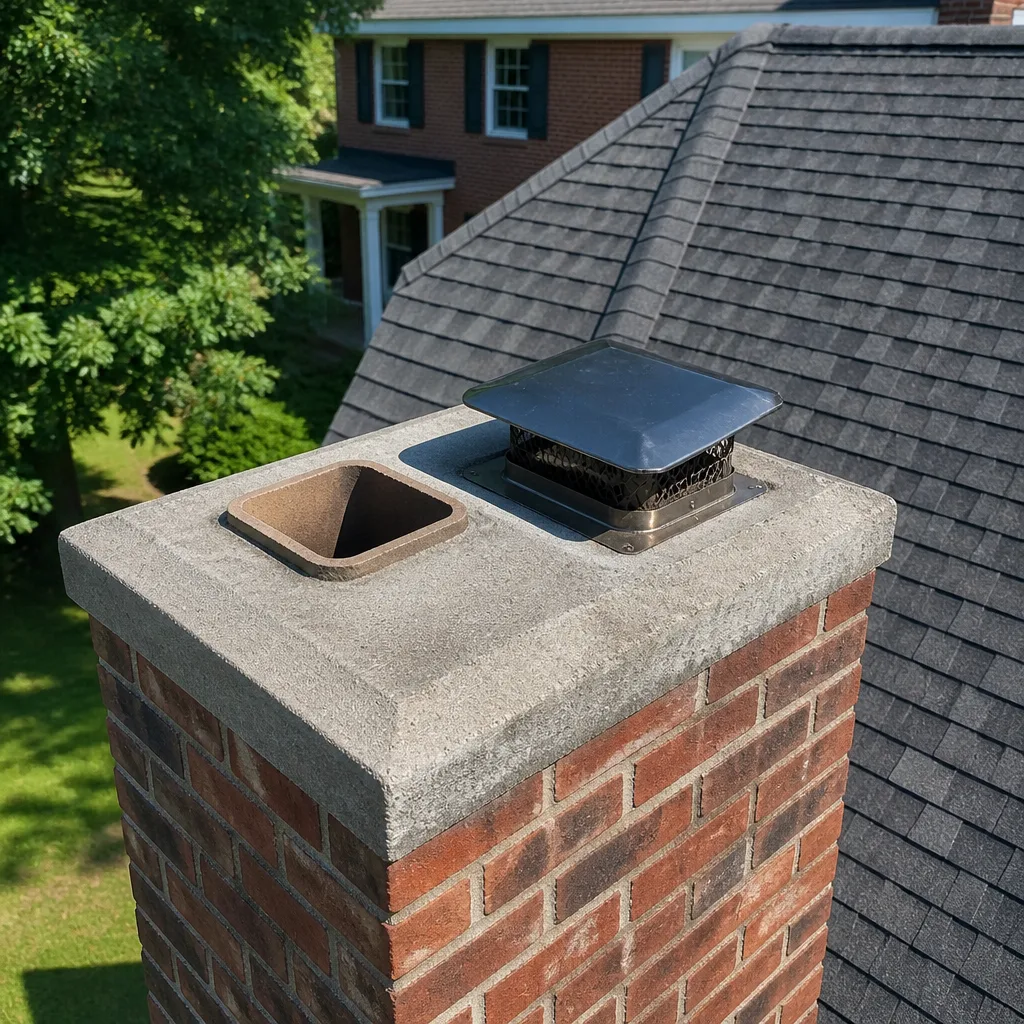 Sweep & inspection
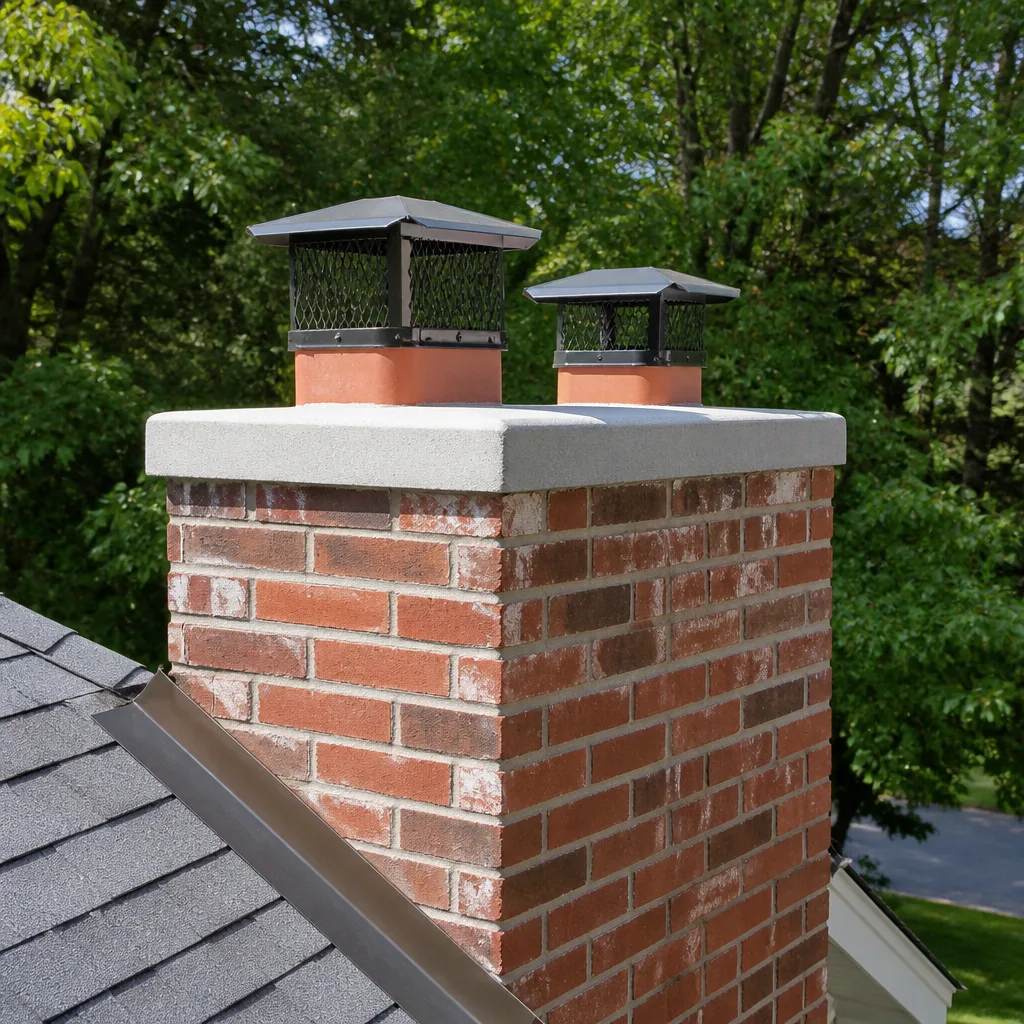 Caps & crowns
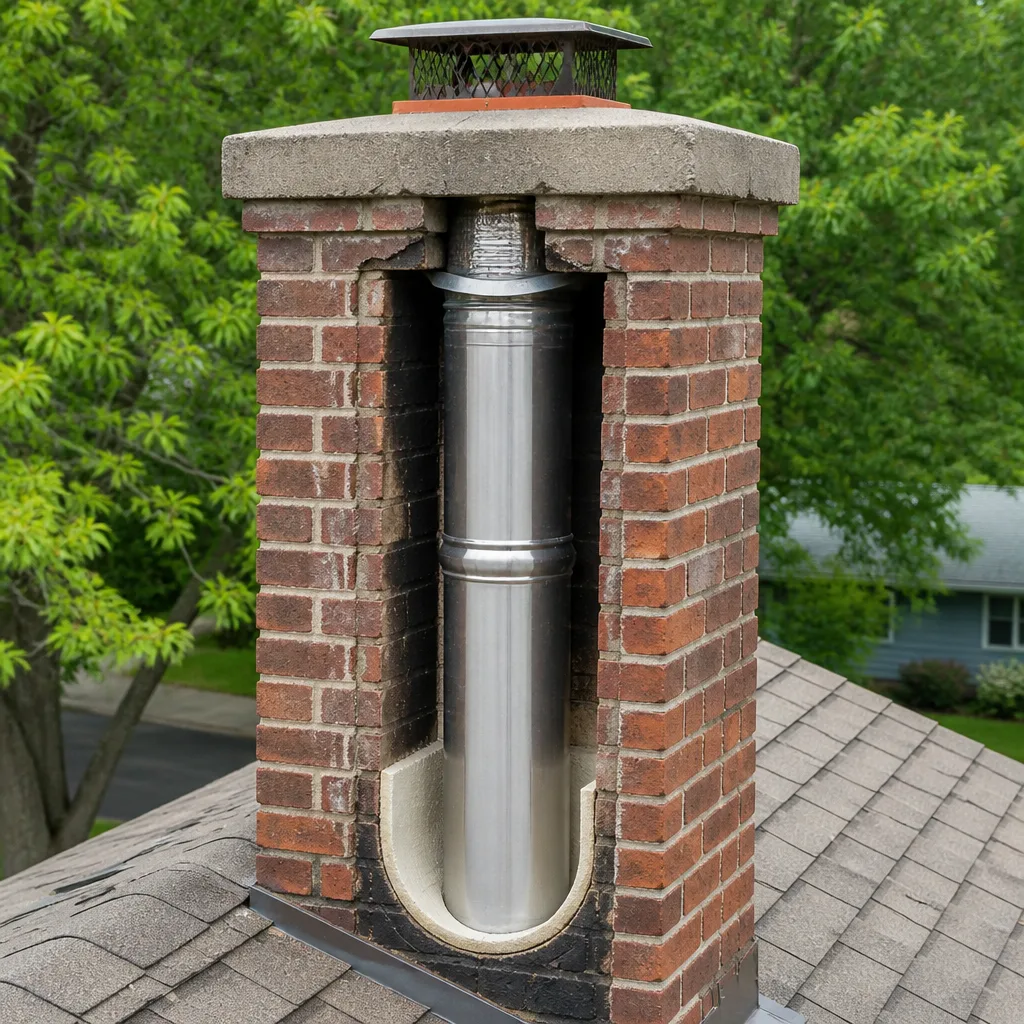 Flue relining
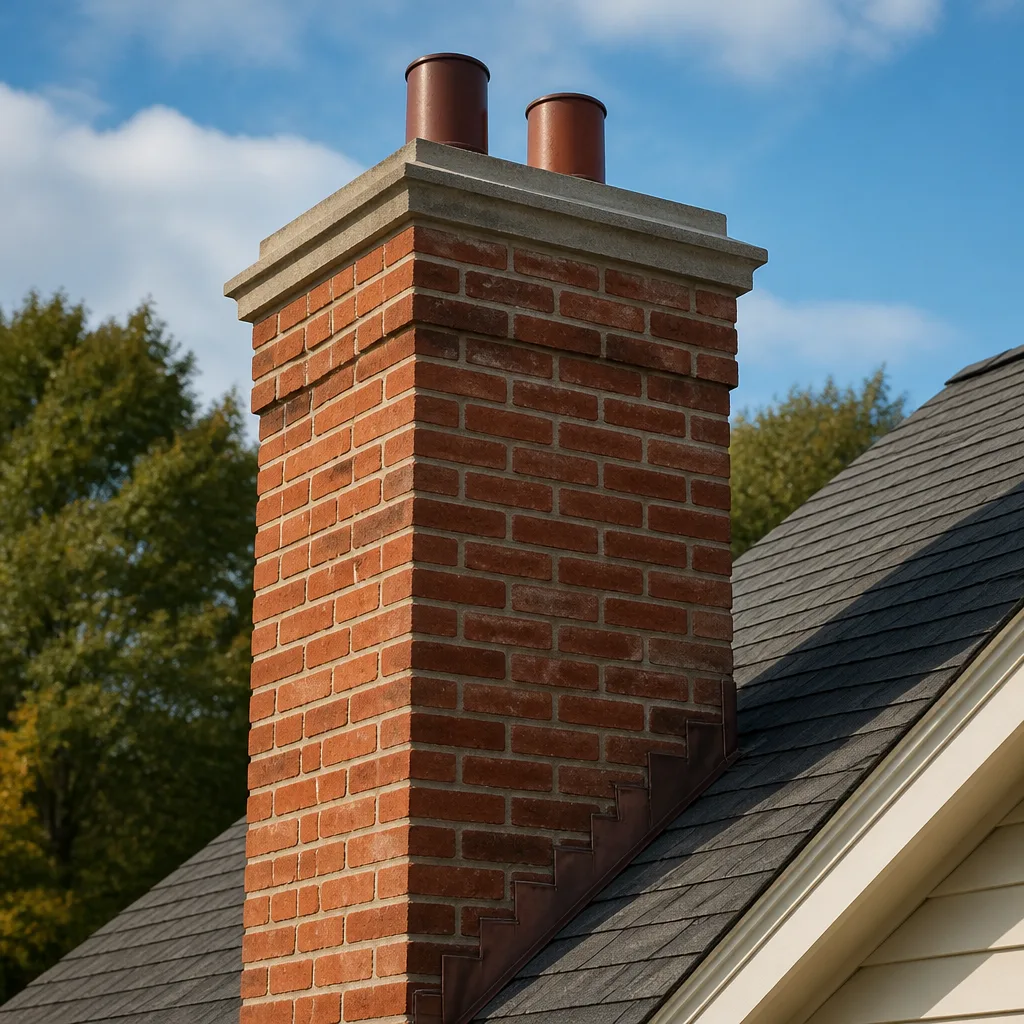 Masonry repair
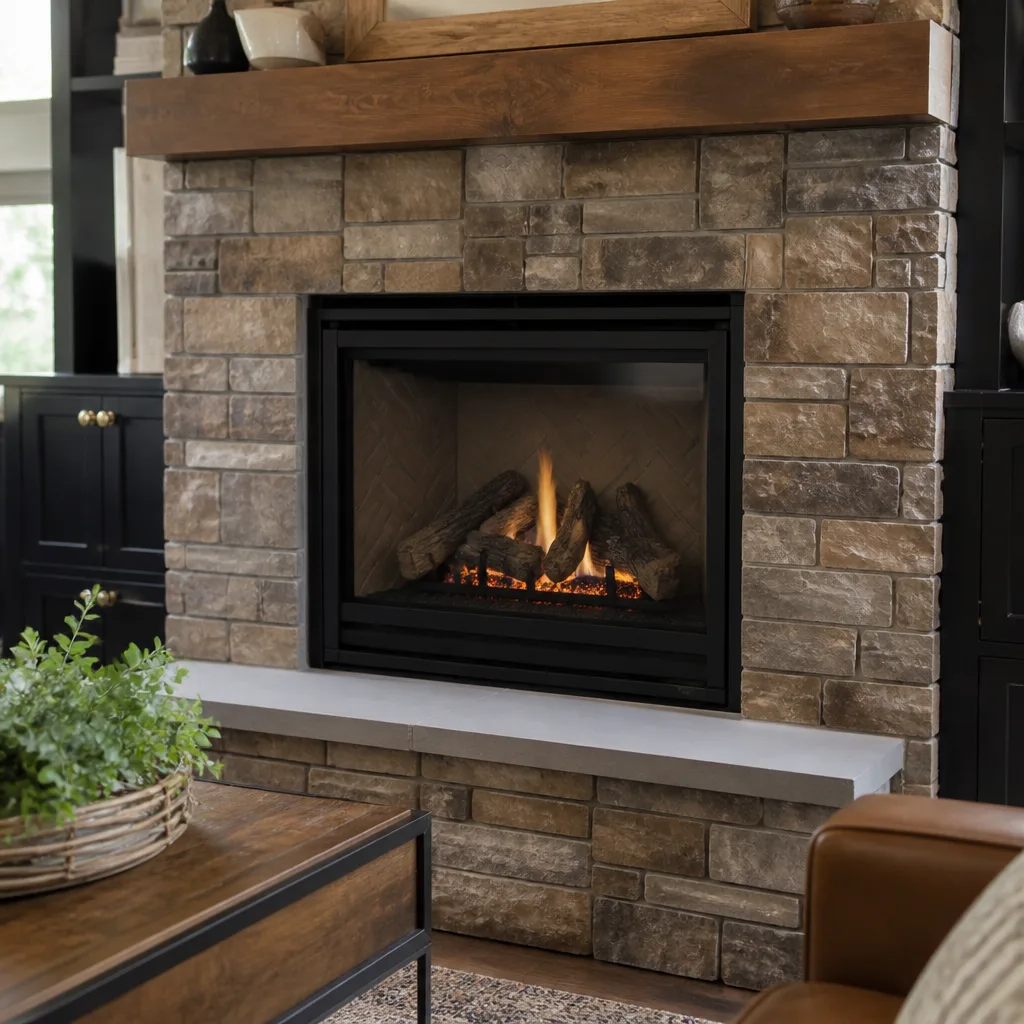 Gas fireplace service
Level 1 sweep and inspection to the NFPA 211 annual standard - flue, crown, cap, and flashing checked and photographed
Chimney sweep logs do not sweep chimneys. They loosen some creosote - which then falls where a brush and vacuum still have to collect it.
Chimney Cleaning Emergency Preparedness Guide for Soundview Homes
A chimney fire doesn’t always sound like a fire. Many burn inside the flue at temperatures hot enough to warp a liner and crack masonry, yet produce no visible flame and no smoke spilling into the room. Homeowners wait for a roar or a visible glow that never comes, and by the time they act, the damage is already done. The same is true of carbon monoxide from a blocked or downdrafting flue: it arrives quietly. This guide is about the decisions you make before that moment. We’ll walk through the three chimney failures most likely to hit a Soundview home, how to recognize each one, what to do in the first minutes, and what to document afterward. Soundview homes have specific conditions worth understanding, and thinking through your response now beats improvising at two in the morning.
Quick Answer
If you suspect an active chimney fire, close the damper and any fireplace glass doors, get everyone out of the house, and call 911. Never pour water into a hot flue or firebox. If your carbon monoxide alarm sounds and you have a wood-burning or gas appliance venting through a chimney, treat it as a flue problem until proven otherwise: evacuate, ventilate, and call for help. After the fire department clears the scene, the flue must be inspected before you burn again. This guide gives you the protocol for all three scenarios, plus a pre-season checklist so the steps are already in your head when you need them.
Styles & brands we work with
- Sweep & inspection
- Caps & crowns
- Flue relining
- Masonry repair
- Gas fireplace service
Table of Contents
- How to Identify an Active Chimney Fire
- Carbon Monoxide Intrusion in Soundview Homes
- The 24 Hours After a Suspected Chimney Fire
- Your Pre-Season Emergency Kit
- Talking to FDNY and Your Insurance Adjuster
- Sudden Blockages and Draft Failures
- Common Mistakes to Avoid
How to Identify an Active Chimney Fire
A chimney fire is burning inside the flue when you may see nothing in the firebox at all. The flue has its own signs, and they’re often sensory rather than visual. If you know what to listen and smell for, you’ll catch it in the first minute instead of the tenth.
Look for these signals:
- Sound. A low rumble, a sound like a distant freight train, or a series of popping and cracking noises coming from the chimney itself, not the firebox.
- Smell. A sharp, hot, almost metallic smell, or an acrid burning odor that isn’t wood smoke. Some fires produce a smell like burning plastic.
- Draft behavior. The fire suddenly burns hotter or more aggressively than it was, or the draft reverses and smoke puffs back into the room even though the damper is open.
- Visible signs from outside. Dense smoke or sparks from the chimney top, or a discolored, glowing hot chimney exterior.
- Creosote flakes. Small, crunchy bits falling into the firebox or landing on the roof around the cap.
If you see or hear any of these, act now:
- Close the damper fully. This starves the fire of oxygen, but if the fire is hot enough, the damper may warp, so don’t force a stuck one.
- Close the glass doors on the fireplace if you have them.
- Get everyone out of the house and call 911. Tell the dispatcher you suspect a chimney fire.
- Do not pour water down the flue. A sudden steam explosion from water hitting a superheated flue can crack masonry and send scalding steam back at you.
- Don’t spray a fire extinguisher up the flue; it won’t reach the fire and can make inspection afterward harder.
We’ve seen Soundview flues after this scenario many times. The homes that fare best are the ones where the homeowner closed the damper and evacuated immediately, rather than standing in the room watching and waiting for the fire to put itself out.
Carbon Monoxide Intrusion in Soundview Homes
Carbon monoxide from a chimney problem is different from CO produced by a faulty boiler or furnace. A chimney is a passive vent, and when it fails to vent, the CO that would normally exit the flue comes back into the living space. In Soundview, where many homes are tightly sealed against winter drafts and have wood-burning or gas inserts venting through older flues, that failure mode is worth knowing cold.
Three chimney-specific CO scenarios are common:
- Blocked flue. A bird nest, a collapsed liner, or heavy creosote buildup narrows the flue so gases back up. This is the most dangerous because there is no obvious smell.
- Negative pressure. A modern, tight home with a bath fan, kitchen exhaust, or dryer running can pull air down the chimney instead of letting it rise. This is called downdrafting, and it’s a Soundview-specific concern because many homes here combine newer windows with older chimney systems that weren’t designed for the tighter envelope.
- Downdrafting from wind and roofline. Soundview’s rooflines vary block to block, and the wrong cap or a short flue can catch wind and push it down the flue.
The immediate response for CO is not the same as for a chimney fire. If your CO alarm sounds:
- Get everyone outside into fresh air immediately, and account for pets.
- Call 911 from outside. Do not re-enter to open windows.
- Do not try to diagnose the problem yourself. Let the fire department ventilate and test.
- Once cleared, the chimney must be inspected before you use any appliance that vents through it. A blocked or failed flue won’t fix itself, and the next burn cycle is the same risk again.
Place at least one CO alarm on each level of your home and near sleeping areas, and test it monthly. If your home has a wood-burning fireplace or a gas insert, treat a CO alarm as a chimney call until the flue has been checked. Our chimney sweep and inspection services exist partly for this reason: a flue that’s clean and clear is a flue that vents.
The 24 Hours After a Suspected Chimney Fire
After the fire department has cleared the scene and you’re back inside, the hardest part begins: the flue is hot, possibly damaged, and you can’t burn anything until it’s been inspected. What you do in the next 24 hours affects both your safety and how smoothly an insurance claim goes.
Work through these steps in order:
- Do not burn anything. Not even a small fire. A flue that survived a fire may have a cracked liner or warped sections you can’t see.
- Take photos of everything. The firebox, the flue opening, the damper, the chimney exterior, the cap, and the roof around the chimney. Photos from outside and inside help establish the starting condition for an adjuster.
- Note the time and what you observed. Write down when you noticed the signs, what you heard or smelled, and what you did. Memory fades fast, and a fire investigator or adjuster will ask.
- Get the fire department’s report number. If they responded, ask for the incident report number before the crew leaves.
- Call for an inspection. A flue that has burned inside it needs to be examined by a trained eye before anyone tells you it’s fine. Camera inspection shows the liner and flue interior, so you see what we see.
- Keep your receipts. If you had to relocate for the night or buy anything related to the incident, keep the receipts for the claim.
What you shouldn’t do: don’t assume a fire that “went out on its own” caused no damage. Small flue fires can leave invisible hairline cracks in clay tiles or warp steel liners enough to open gaps. The 24-hour window is the right time to find out, while the evidence is fresh and before anything shifts.
Your Pre-Season Emergency Kit
The best time to build an emergency kit is before the first fire of the season, not after a scare. A small amount of preparation turns a chaotic night into a sequence you already know. Here’s what a Soundview homeowner should keep on hand, and where to put it.
- Carbon monoxide detectors. One on each level, one near sleeping areas. Test them monthly and replace batteries on a set schedule. Keep one within earshot of the bedroom.
- Your chimney contractor’s number. Posted at the phone, not buried in a contact list. Include your chimney sweep number so anyone in the household can call it.
- Damper access. Confirm before the first burn that you can reach and operate the damper smoothly. On a hot fire, a stuck damper is the difference between starving the fire and not.
- A flashlight. Kept near the fireplace. You may need to look up the flue or into the firebox when the power is out.
- A small fire extinguisher. Rated for the fire types your home may face. Check the gauge each fall.
- Your documentation folder. A file with any past chimney inspection reports, sweep records, and photos of the system. When you need to talk to FDNY or an adjuster, this folder saves you hours.
Keep this kit in one place, tell everyone in the household where it is, and walk through the steps together once. The goal isn’t to scare anyone. It’s to make the correct action automatic for everyone, including a teenager home alone or a houseguest who’s never lit a fire.
Talking to FDNY and Your Insurance Adjuster
After a chimney incident, the people who help you recover speak a specific language, and the documentation you bring determines how quickly things move. The fire department and your insurance adjuster are asking the same question from different angles: what was the condition of the chimney before this, and what can we establish now?
What matters most:
- Condition history. If you’ve had the chimney swept and inspected on a regular schedule, you can show a record of clean sweeps and any repairs made. This is the single most useful document. A sweep report with photos of the flue before and after cleaning tells the adjuster what the flue looked like when it was last known to be sound.
- Product and material records. If your flue has a stainless liner, know the brand and rough install date if you can find it. Materials we work with, including DuraFlex and Olympia Chimney, carry lifetimes and documentation that matter when assessing damage. If a liner restoration with HeatShield was done, keep that paperwork: it often changes how an adjuster values the flue.
- The fire department report. Get the incident number and any written report. If FDNY responded, the report is the record of what the responders saw. Bring it to the adjuster conversation.
- Photos and timeline. Date-stamped photos of the firebox, flue, cap, and roof, plus your written observations. If you can show the condition before and after, the claim is easier to settle fairly.
- Estimates from a chimney specialist. An adjuster needs a written scope of what must be repaired or replaced. A specialist’s estimate that describes the flue condition and the required repair is far more useful than a general contractor’s guess.
One thing many homeowners get wrong: they tell the adjuster “the chimney needs replacing” based on what a neighbor said, without an inspection report. A written inspection with camera photos is what carries weight. We tell you what we found, then give you options, and you can hand that document to whoever needs it.
Sudden Blockages and Draft Failures
Not every chimney emergency involves fire or CO. Sometimes the fire simply won’t draw, smoke rolls into the room, and you can’t figure out why. A sudden blockage can come from a bird or squirrel nest dropped down the flue, a dislodged tile, a collapsed cap, or a heavy creosote fall. In Soundview, the shoulder seasons bring animals looking for warmth, and the first cold snap sends them into chimneys.
Signs of a sudden blockage:
- Smoke rolling back into the firebox even with the damper open.
- A fire that struggles to catch or keeps going out.
- A strong down-draft when you open the stove or fireplace doors, with a cold smell from the flue.
- Debris visible in the firebox or on the smoke shelf.
What to do:
- Open the damper fully and check that nothing has fallen onto the smoke shelf.
- Open a nearby window slightly to relieve negative pressure in the room; this can restore draft enough to clear smoke.
- Do not keep burning. If the flue is blocked, you’re pushing smoke and gases into the house.
- Once the fire is out and the chimney has cooled, look up the flue with a flashlight from the firebox. If you see a nesting mass or loose debris, don’t try to pull it down yourself; you can dislodge more.
- Call a chimney professional. A blocked flue is cleared with the right tools and inspected afterward to confirm no damage.
A chimney cap & crown is the first line of defense against animal nests and rain intrusion. If your chimney has been open at the top, an inspection is worth it before the next season. Caps and crowns are part of the full system we look at, and they’re one of the most ignored pieces of the assembly.
Why Soundview Chimneys Face Particular Stress
Soundview winters swing between wet and cold in a way that stresses masonry. Freeze-thaw cycles open small cracks in crowns and mortar joints, then ice widens them. A crown that’s already cracked lets water into the chimney structure, and water is what drives most of the deterioration we see. This isn’t alarmism; it’s the normal wear on a chimney in this climate, and it’s why a fall inspection before the heating season matters more here than in a milder region.
The heating habit matters too. Homes that burn steadily through the winter build creosote faster than occasional burners. Creosote in its glazed, hard form is the fuel for the hottest flue fires, and it doesn’t come off with a brush alone in every case. A sweep can tell you what stage of creosote you’re seeing and whether a chemical treatment or liner restoration is the right path.
If your chimney has never been inspected, or it’s been more than a season, that’s the first thing to fix. Regular chimney repair following an inspection is far cheaper than the structural work that untreated damage brings. The whole point of emergency preparedness is that most emergencies are preventable with a little attention before the season starts.
Common Mistakes to Avoid
- Assuming no visible flame means no fire. A flue fire can burn entirely inside the chimney without smoke or flame in the room. If you hear rumbling or smell a hot, acrid odor, treat it as active no matter what you see.
- Pouring water down a hot flue. The temperature shock can crack masonry and send scalding steam up or back into the room. Close the damper and get out.
- Burning again the next day because the fire “went out.” A flue that saw fire needs inspection before the next burn. Cracks and gaps aren’t always visible from the firebox.
- Skipping the CO detector near sleeping areas. Soundview homes with tight envelopes and older flues are exactly where a CO alarm earns its place. One on each level is the minimum.
- Trying to clear a blockage by pulling debris down yourself. You can dislodge more of the nest or chimney material and worsen the blockage, or damage the flue.
- Calling a general handyman for a flue problem. A blocked or damaged flue needs a specialist with the right tools and a camera to see what’s happening inside it.
- Waiting until the first cold night to test the damper and the draft. Do it in the fall, before you need it. The night you discover a stuck damper shouldn’t be the night you first light a fire.
See the difference
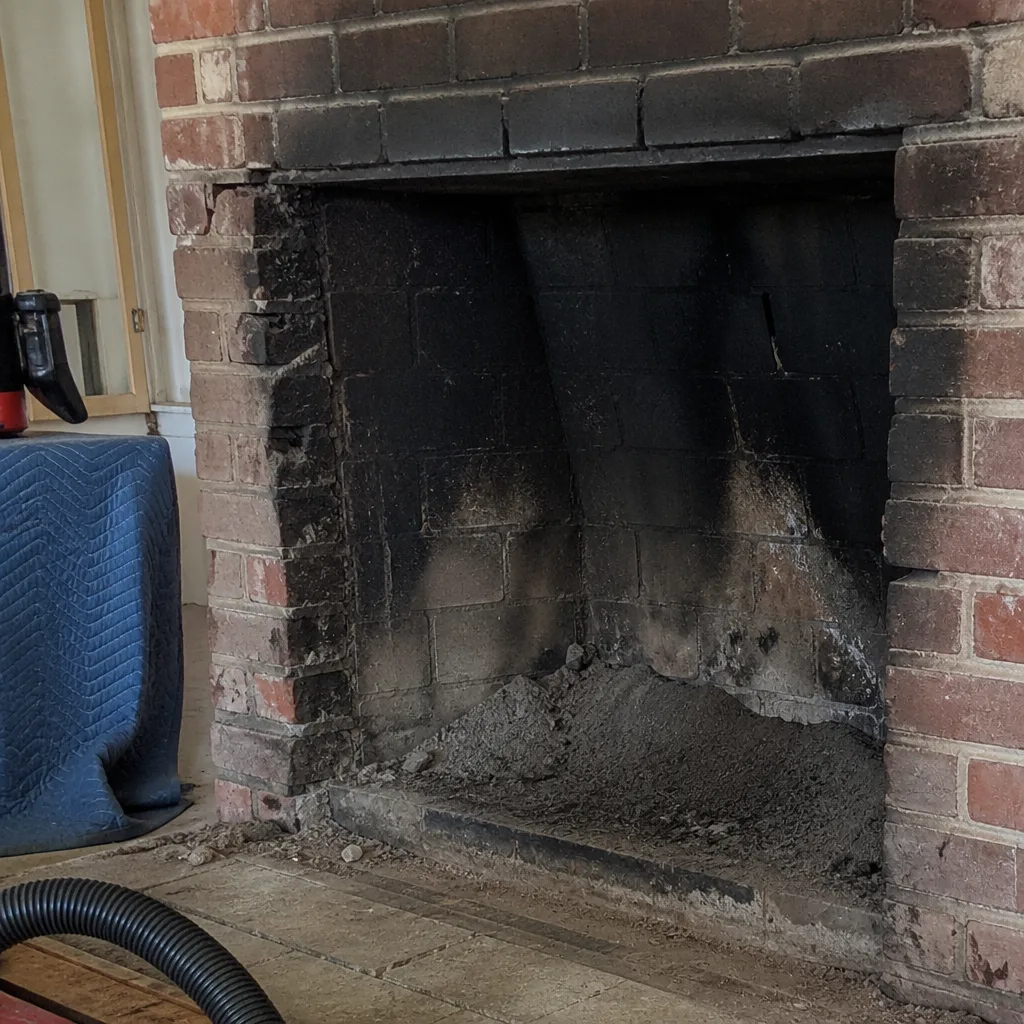 Before
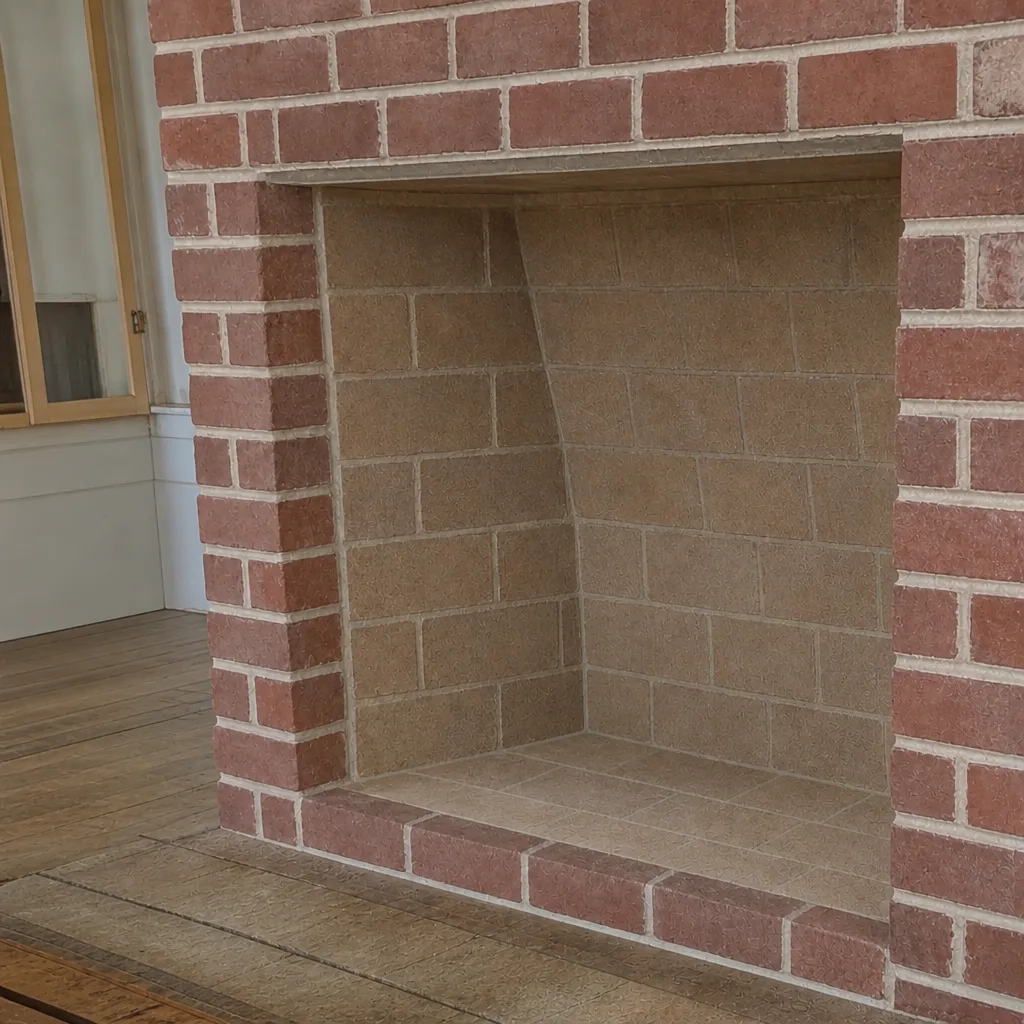 After
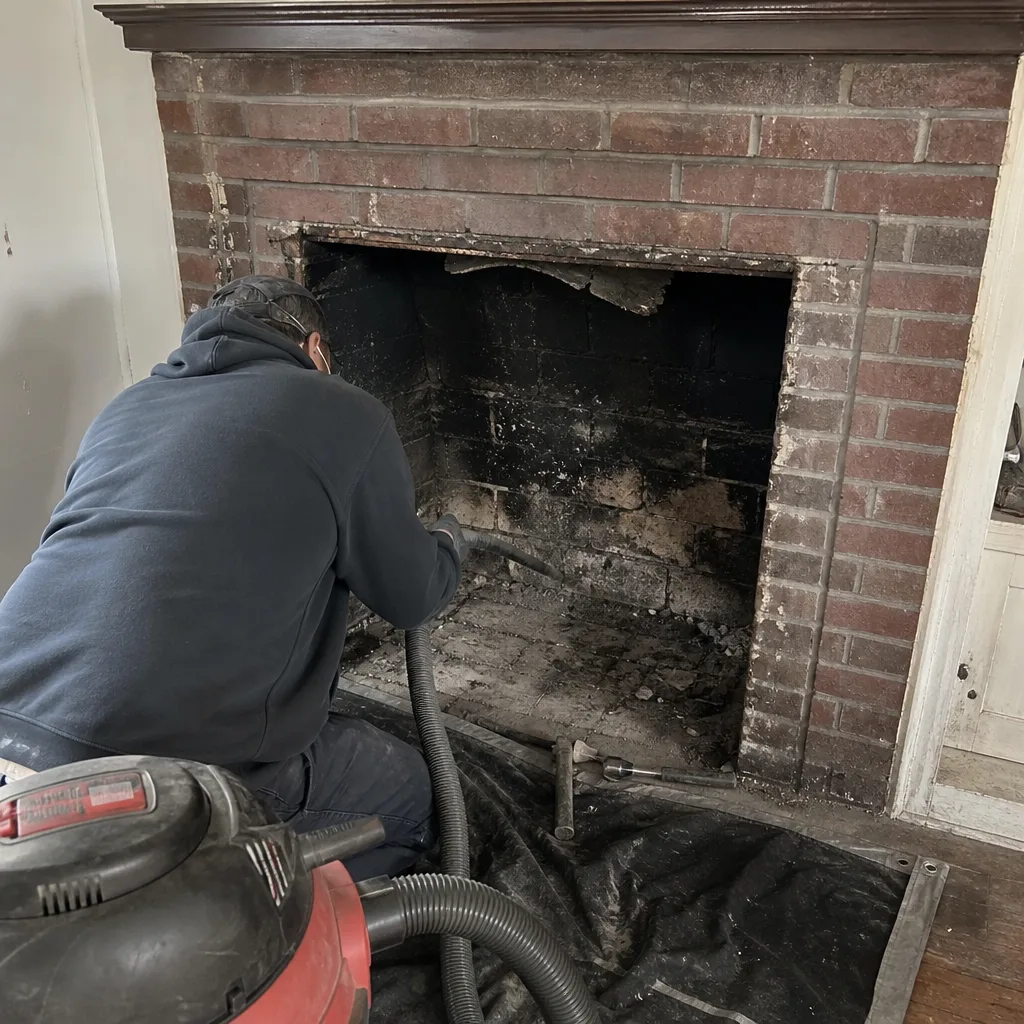 Before
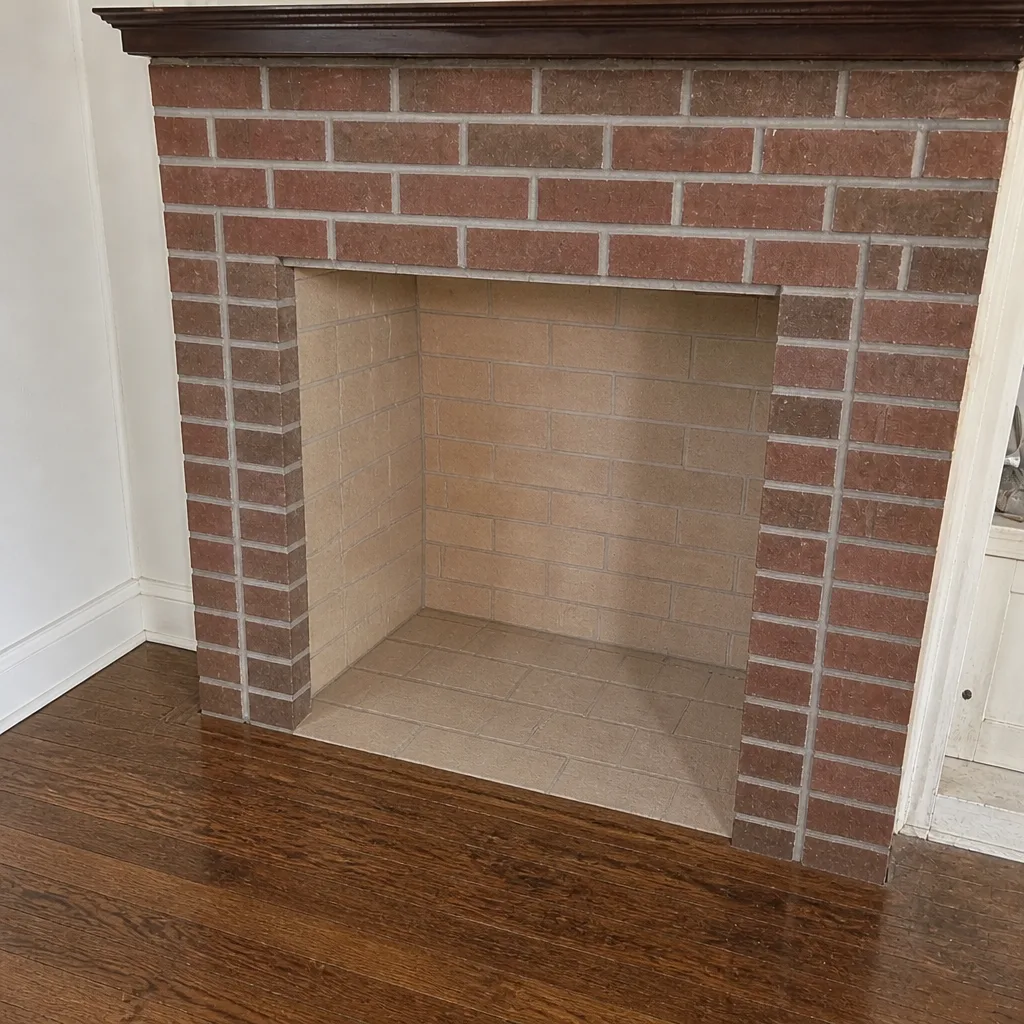 After
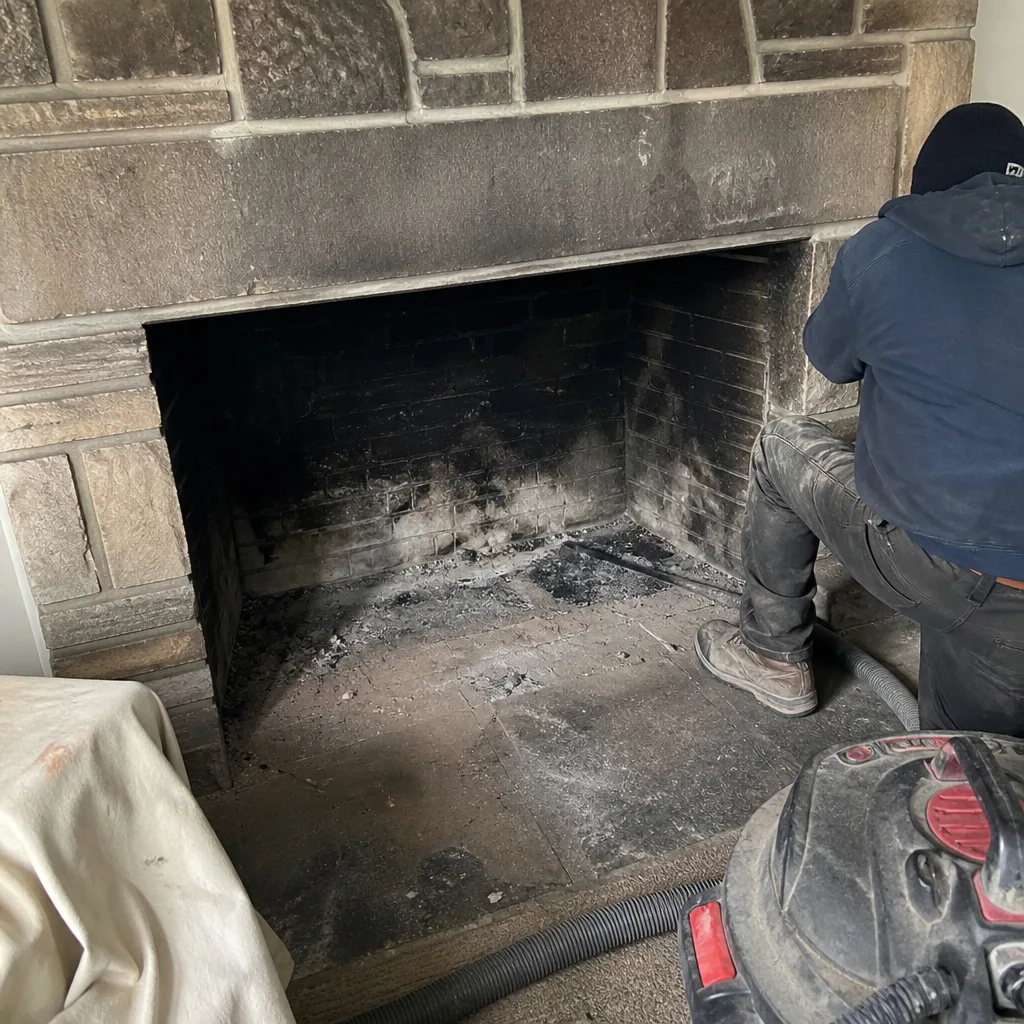 Before
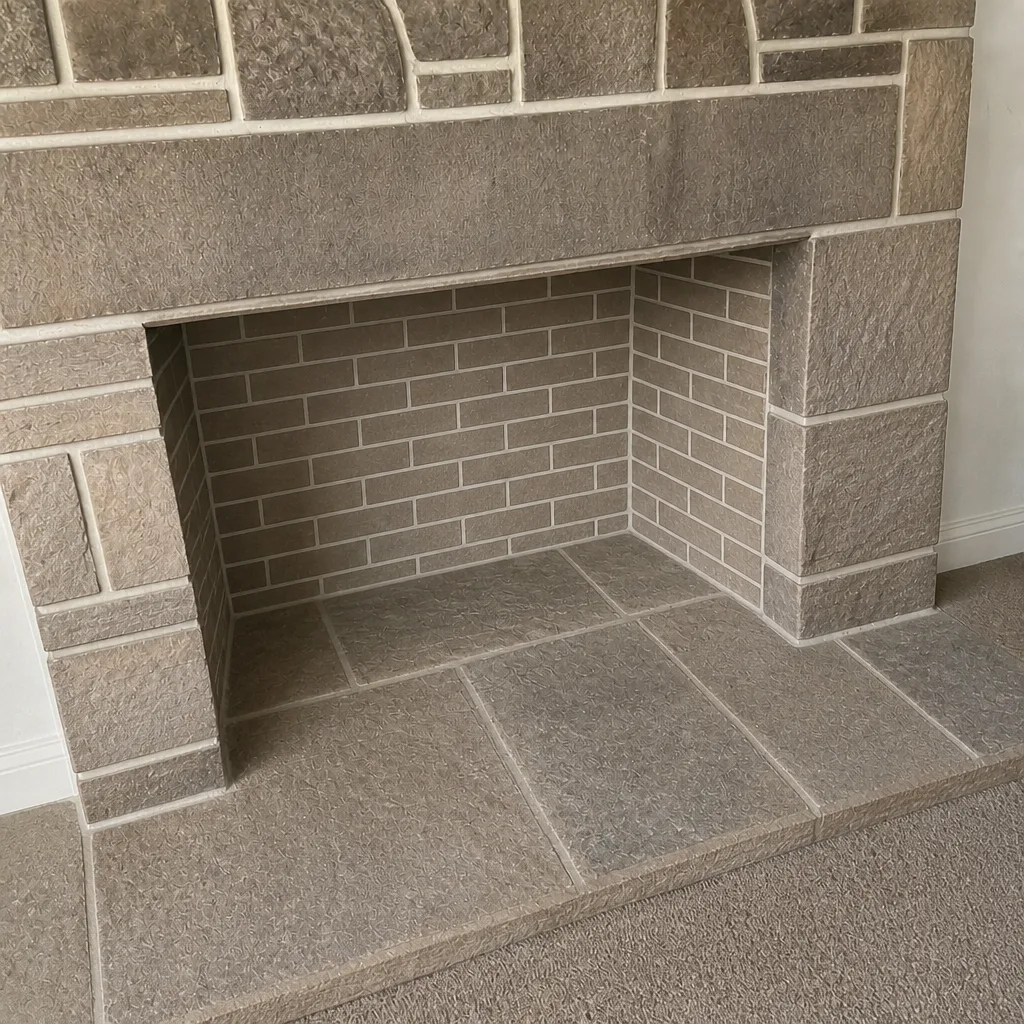 After
When to Call a Professional
Call a professional chimney specialist in these situations: after any suspected flue fire, even a brief one; whenever a CO alarm sounds and the fire department has cleared the scene; when a fire won’t draw or smoke enters the room; when you see debris, cracked tiles, or a damaged cap or crown; and once a year for a sweep and inspection before the heating season. If you’ve never had the chimney inspected in Soundview, that’s the most important call to make first. We answer 24/7, and a call outside dispatch hours is booked into the next opening, Sunday through Friday, 7am to 7pm. Chimney Sweep Soundview offers free estimates in Soundview. Call (866) 947-9290. Our technicians have up to 15 years of experience, and we inspect with a camera so you can see the evidence for yourself.
Frequently Asked Questions
You may not see flames. The signs are a low rumble or popping from the chimney, a hot metallic or acrid smell, creosote flakes on the roof or in the firebox, and a sudden change in draft. If you suspect one, close the damper, evacuate, and call 911, then have the flue inspected before burning again. Call (866) 947-9290 for an inspection after the fire department clears the scene.
Get everyone outside into fresh air and call 911 from outside. A CO alarm in a home with a wood-burning or gas appliance venting through a chimney should be treated as a flue problem until inspected. Do not re-enter to open windows or investigate. Once the fire department clears the home, the flue must be inspected for blockage, cracks, or downdrafting before you burn again. Call (866) 947-9290 to book that inspection.
No. Even a brief flue fire can leave hairline cracks in clay tiles or warp a steel liner enough to create gaps you can’t see. The flue needs a camera inspection before you light another fire. Burning again without checking risks a second, worse fire or CO intrusion. Call (866) 947-9290 to schedule an inspection before the next burn.
Smoke entering the room usually means a blockage, a draft failure from negative pressure in a tight home, or a damaged flue. Open a nearby window slightly to relieve pressure and stop burning. If smoke persists, the flue is blocked or failing and needs a professional look. In Soundview’s tighter, weather-sealed homes, downdrafting is a common culprit, and a proper cap and inspection often resolves it. Call (866) 947-9290 for an assessment.
Working CO detectors on every level, your chimney contractor’s number posted where anyone can find it, a confirmed smooth damper, a flashlight near the hearth, a checked fire extinguisher, and any past sweep or inspection records in one folder. Test the damper and draft in the fall, not on the first cold night. Call (866) 947-9290 to book a pre-season sweep and inspection.
Date-stamped photos of the firebox, flue, cap, and roof; your written timeline of what you observed; the fire department’s incident report number; any past sweep or inspection reports showing the flue’s condition; material records for a liner (DuraFlex and Olympia Chimney liners carry documentation that matters); and a chimney specialist’s written scope of repair. That package is what an adjuster needs. Call (866) 947-9290 to get that written scope.
The Bottom Line
Most chimney emergencies give you warning signs before they become emergencies: a rumble you can hear, a smell you can recognize, a fire that won’t draw, a CO alarm that sounds. The preparation that matters is knowing those signs and having a plan, not having a fire extinguisher you’ve never checked. Build your kit before the season, keep your sweep and inspection records in one place, and have the contractor’s number where everyone can find it. If it’s been a while since your Soundview chimney was inspected, book that first. Call (866) 947-9290. We answer 24/7, and fast dispatch runs 7am to 7pm, Sunday through Friday. Estimates are free.
Written by the team at Chimney Sweep Soundview.