
Last updated November 25, 2026
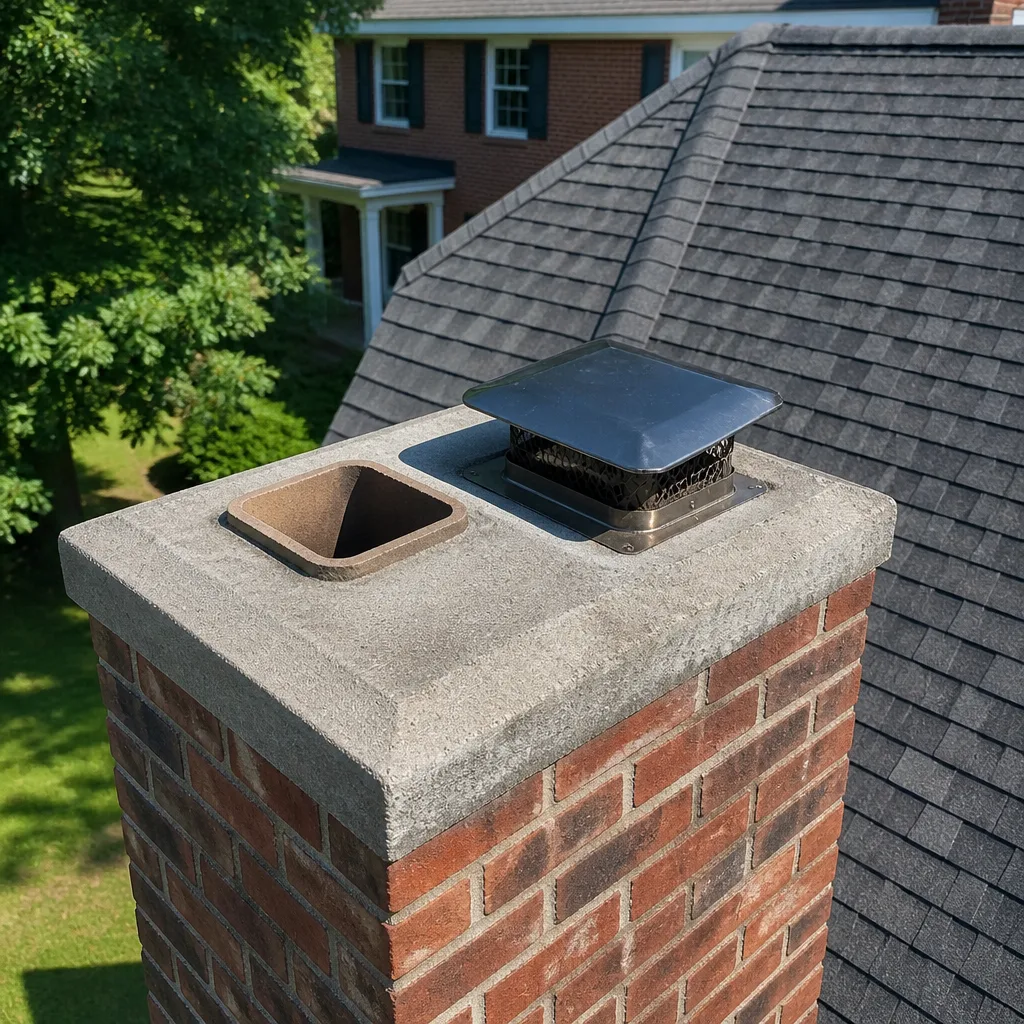 Sweep & inspection
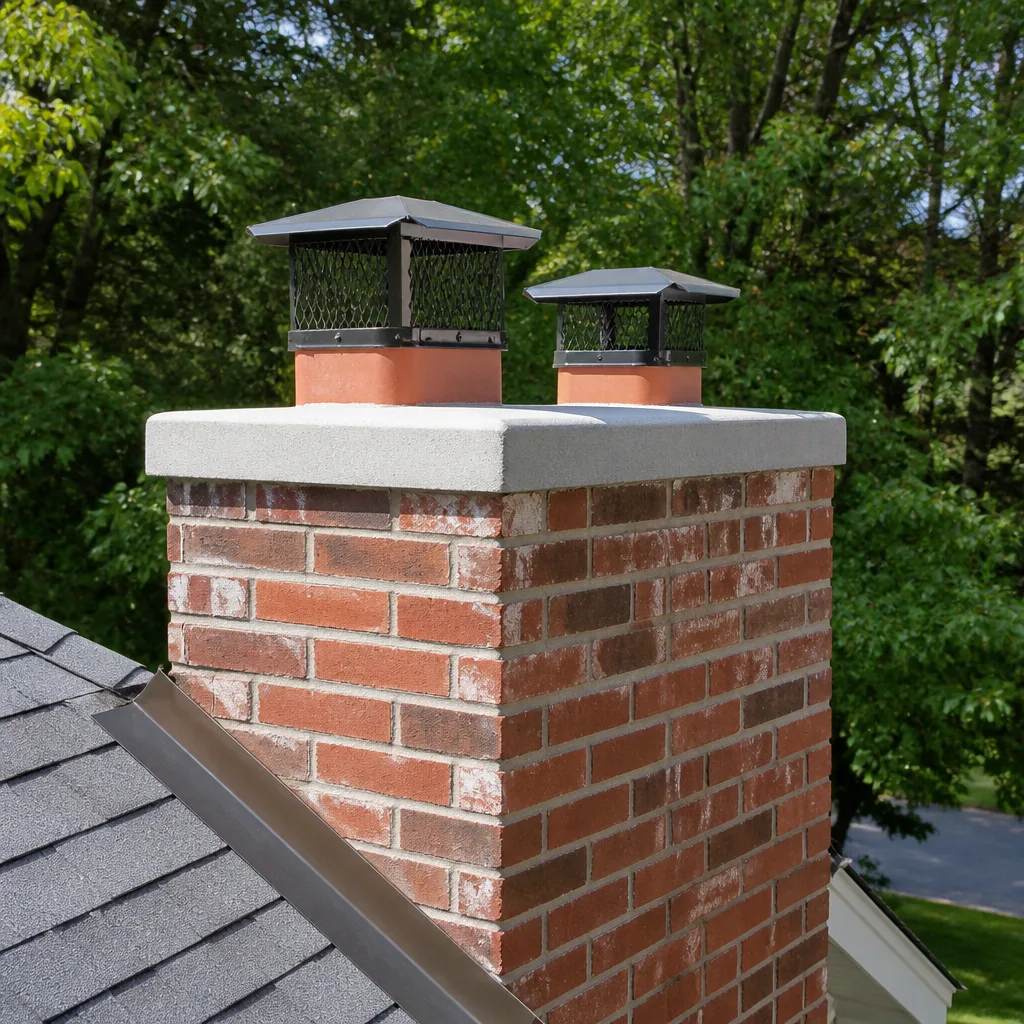 Caps & crowns
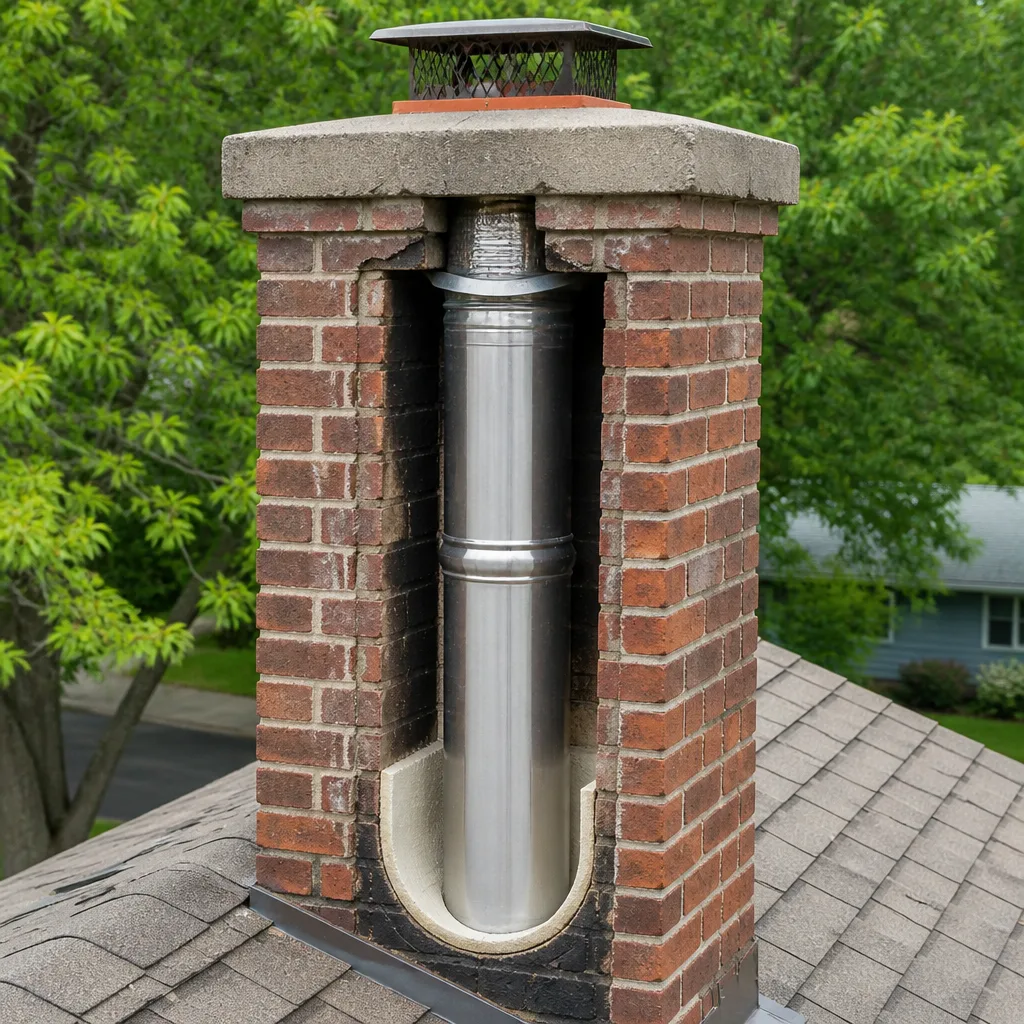 Flue relining
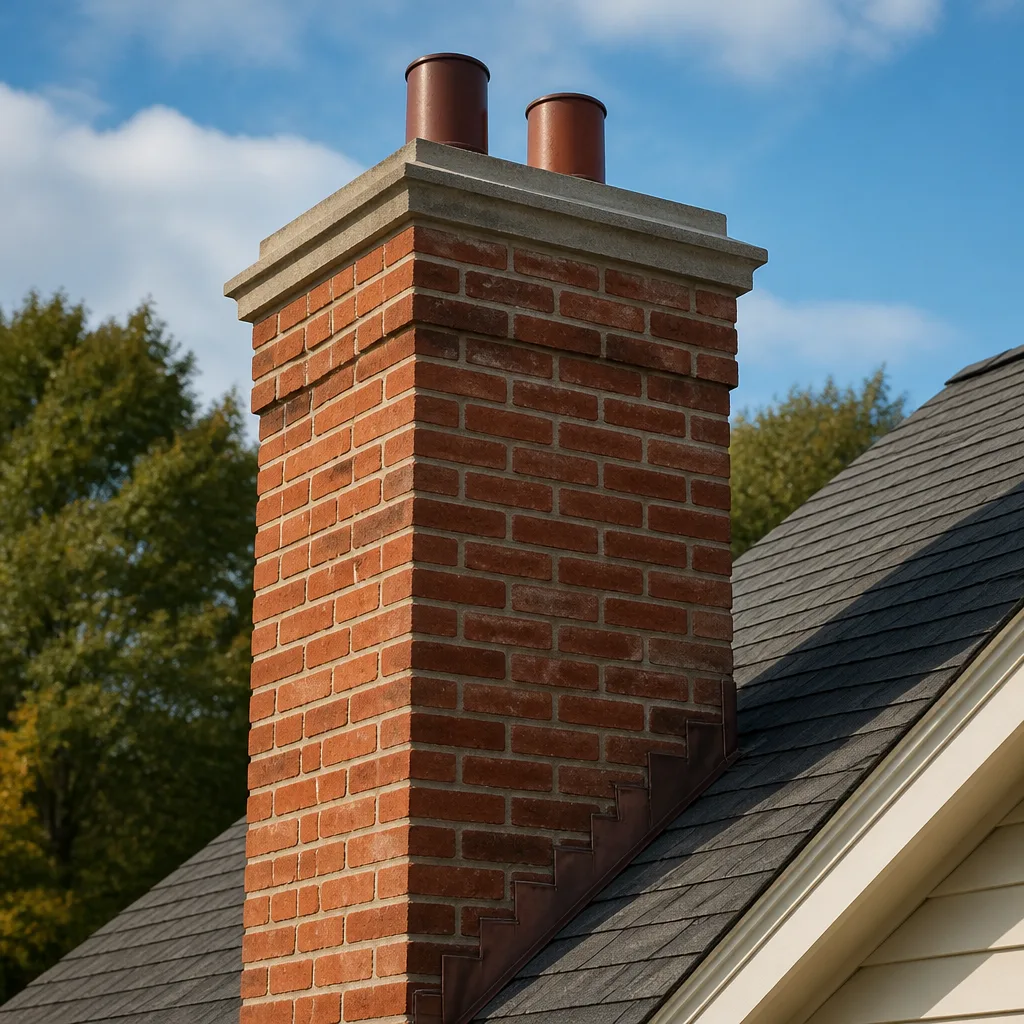 Masonry repair
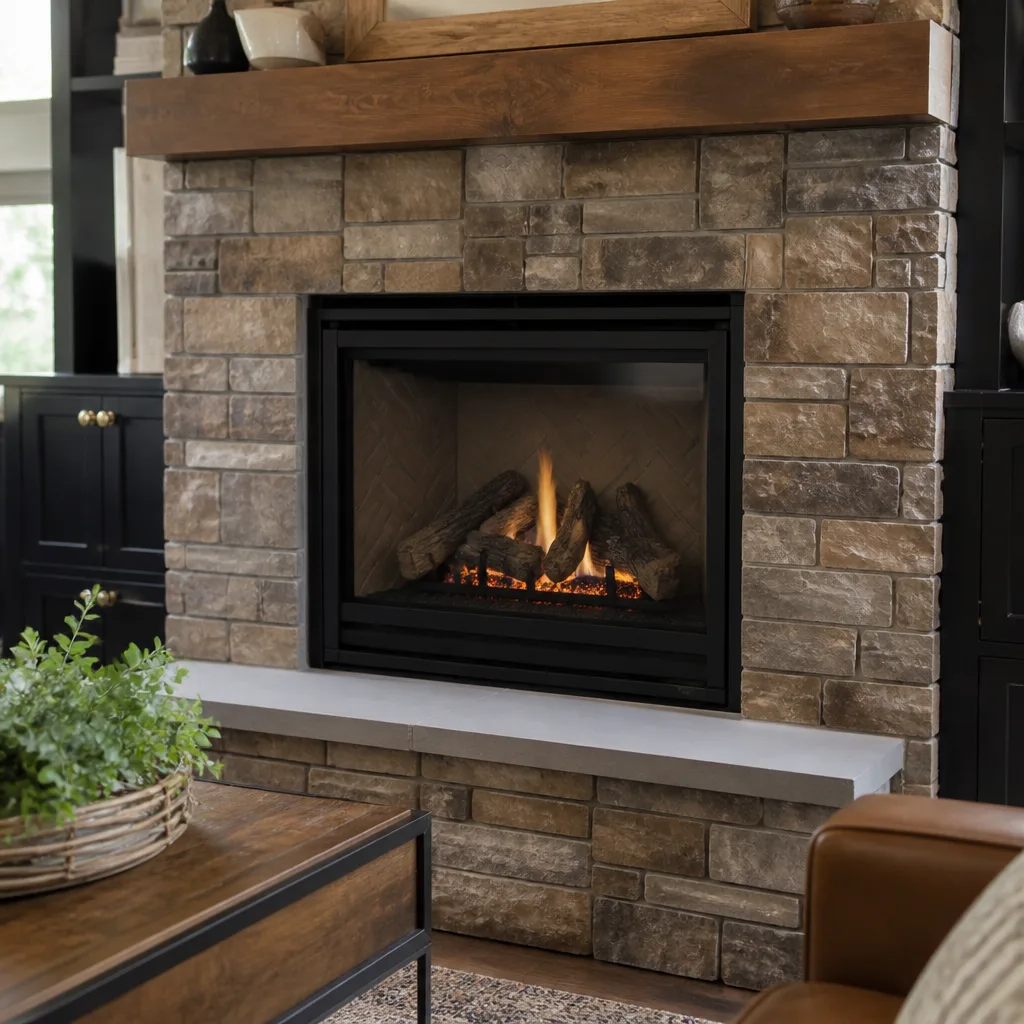 Gas fireplace service
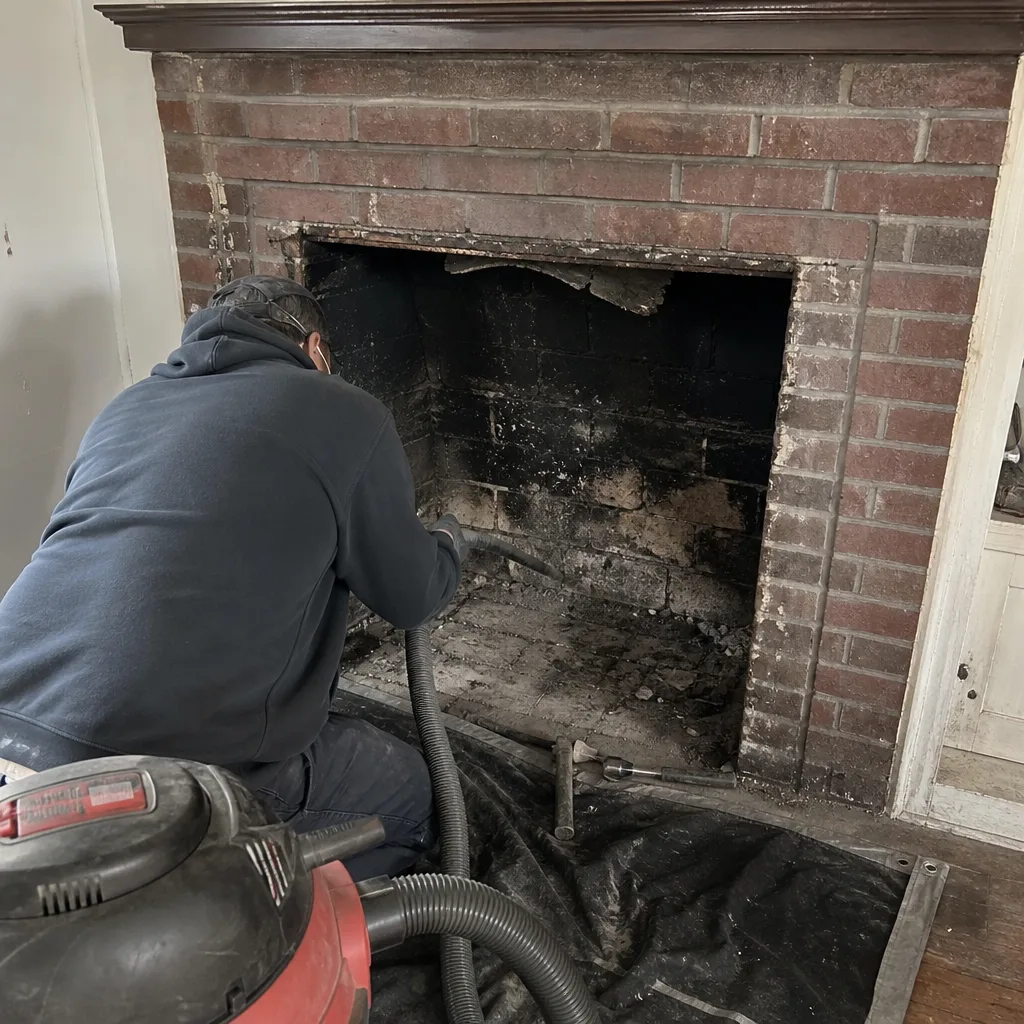
Level 1 sweep and inspection to the NFPA 211 annual standard - flue, crown, cap, and flashing checked and photographed
Chimney sweep logs do not sweep chimneys. They loosen some creosote - which then falls where a brush and vacuum still have to collect it.
Chimney Cleaning Cost Breakdown: The Soundview Homeowner’s Reference for 2026
A $79 sweep coupon buys you a flue brushing. That’s it. It doesn’t buy a smoke shelf cleaning, a damper inspection, or a written record of what your flue actually looks like inside. And those omissions are exactly where chimney problems sit undetected for years, quietly getting more expensive. The gap between a cheap quote and a thorough one isn’t random pricing, either. It reflects real differences in scope, materials, and whether you’re paying for a cleaning or a diagnostic service. This guide breaks down what each line item should cost in the Soundview market, what drives the variation, and how to tell a fair estimate from a thin one.
Quick Answer
A standard chimney sweep in Soundview typically runs $150 to $275, and a professional camera inspection adds $100 to $250 depending on whether it’s paired with a cleaning. Full diagnostic service with a written condition report usually lands between $275 and $450 total. The written estimate sets the final price, and the final number depends on creosote stage, flue access, and whether repair work is needed.
Styles & brands we work with
- Sweep & inspection
- Caps & crowns
- Flue relining
- Masonry repair
- Gas fireplace service
Table of Contents
- What’s Actually in a Chimney Cleaning Quote?
- Itemized Cost Ranges for Soundview in 2026
- What Drives Price Variation in the Soundview Market?
- Visual Inspection vs. Camera Inspection: What’s the Difference?
- Repair Estimates and Which Types Offer the Clearest Cost-to-Lifespan Value
- Why Same-Day Repair Pricing Usually Costs More
- What a Fair Annual Maintenance Budget Looks Like
- Common Mistakes to Avoid
- When to Call a Professional
- Frequently Asked Questions
What’s Actually in a Chimney Cleaning Quote?
A chimney cleaning is not one task. It’s a set of tasks that a thorough technician performs in sequence, and each one has its own cost and purpose. When quotes differ by a factor of three or four, the difference is usually in which of these components are included.
Here’s what a complete cleaning visit should cover:
- Flue brushing. The core sweep. A rotary brush or poly brush runs the length of the flue to remove creosote and soot buildup. This is the task everyone thinks of as “the sweep.”
- Smoke shelf and smoke chamber cleaning. The shelf is a flat ledge just above the damper. Soot and creosote collect there, and brushing the flue alone doesn’t clear it. These deposits are a fire risk and often get skipped on cheap sweeps.
- Damper inspection and operation check. The damper should open and close smoothly and seal correctly when closed. A stuck-open damper wastes heat; a stuck-closed one is a carbon monoxide risk.
- Firebox inspection. The firebox takes direct heat. Cracks in the firebrick or mortar joints are common in older Soundview homes and need to be caught early.
- Visual flue inspection. A flashlight-and-mirror look at the flue interior from the top and bottom. This catches obvious blockages, heavy glazing, and visible damage.
- Written condition report. A record of what the technician found, in plain language, with photos where relevant. This is the piece most low-cost sweeps leave out entirely.
When a quote comes in at $99 or below, it’s usually covering items 1 and maybe 5 only. That’s not automatically a bad deal if you genuinely just need a light brush-out. But if you’ve never had a full diagnostic, a flue-only sweep tells you almost nothing about the health of the system. Your chimney is a system, and we treat it like one: the firebox, flue, damper, cap, and crown all affect each other, and the diagnostic is what connects them.
Itemized Cost Ranges for Soundview in 2026
These are typical estimated ranges for the Soundview market. The written estimate sets the final price, and every price below assumes reasonable access to the flue.
| Service Component | Typical Estimated Range |
|---|---|
| Standard flue sweep (wood-burning) | $150 – $275 |
| Gas fireplace flue cleaning | $125 – $200 |
| Smoke shelf and smoke chamber cleaning | $50 – $100 additional |
| Visual inspection (with sweep) | $50 – $100 additional |
| Camera inspection (with sweep) | $100 – $200 additional |
| Standalone camera inspection (no sweep) | $175 – $250 |
| Firebox inspection and assessment | $50 – $100 additional |
| Written condition report | Usually included with full diagnostic |
| Chemical creosote treatment (Stage 3) | $200 – $500 additional |
The cheapest number on that table is a flue brush and a look. The most useful number is a full diagnostic with camera work and a written report. In our experience, a homeowner who starts with the diagnostic ends up spending less over three to five years, because problems get caught at the crown-coat stage rather than the rebuild stage.
For a broader sense of what a full sweep visit involves, see our chimney sweep service page. If you want a deeper sense of the whole system before booking, the Chimney Sweep Soundview overview walks through each service line.
What Drives Price Variation in the Soundview Market?
Two quotes for the same Soundview house shouldn’t differ by 300%. When they do, here’s what’s usually behind it.
Building access and flue access
Soundview has a mix of housing stock: older two- and three-family homes, semis, and multi-unit walk-ups. Access matters. If the flue is accessible only from a rear roof with a steep pitch, or the chimney is set behind a parapet, the setup is more involved than a straight run to a chimney from an accessible roof. Interior access matters too: a flue that can be cleaned from inside without removing a stove or insert is faster than one where the unit has to come apart first. A quote that ignores access is a quote that will change once the technician is on site.
Flue height and configuration
A short flue cleans quickly. An offset flue (one with a jog in it) takes longer because brushing has to work around the offset. A chimney with two flues (common in older multifamily Soundview homes) takes longer than a single-flue chimney. None of these are surprises to a technician who’s looked at the system, but they are often missing from a phone quote.
Creosote stage
This is the biggest pricing lever most homeowners never hear about until the technician is on the roof. Creosote builds up in three recognizable stages:
- Stage 1: Soot and light flaky deposits. Standard brushing removes it. This is the range you’d expect from the flue sweep line item.
- Stage 2: Hard, crusty, or shiny deposits. Still brushable with the right technique and sometimes a chemical softener. Higher end of the standard range, or a small add-on.
- Stage 3: Glazed, tar-like creosote. The dangerous stage. It’s the fuel for a chimney fire and it doesn’t brush off. It requires chemical treatment and often a follow-up visit. This alone can push the cost up to the $500 or $700 range total for the cleaning portion.
The way to know which stage you’re in before booking is to ask when a technician will confirm it. A fair quote will say “the final price depends on creosote stage confirmed on site.” A quote that locks a final price before anyone has looked inside is guessing.
For a closer look at what goes into a Soundview sweep from top to bottom, the chimney sweep page covers the process step by step. When the issue moves from cleaning into structural territory, that’s the moment to look at chimney repair.
Visual Inspection vs. Camera Inspection: What’s the Difference?
A visual inspection is a mirror-and-flashlight look from the firebox and from the roof. A camera inspection is a video walk of the entire flue interior, recorded and shared with you. The camera adds $100 to $200 to a cleaning visit. It’s the single most useful add-on in the chimney trade, because it’s the only way to actually see what’s going on inside a flue that turns, offsets, or bends.
Here’s when camera work is essential rather than optional:
- You’ve just bought the house and have no maintenance history.
- You’ve had a chimney fire, even a small one, or suspect one based on a cracking or roaring sound.
- You’re considering a liner install or a wood stove insert.
- The visual inspection finds damage but can’t determine its extent.
- You’re switching fuel type, or converting to gas.
The reason this matters for a Soundview house specifically is that older housing stock here often has original clay-tile flues with hairline cracks that a mirror can’t show. A camera sees them. A cracked flue tile lets heat and gases into framing; that’s the actual safety concern. If the tile is intact, you don’t need a liner replacement. If it isn’t, you’ll want to know now rather than after a fire.
What a standalone inspection is for
Not every inspection needs to ride along with a sweep. If your last sweep was recent and you have no symptoms, but you want a documented condition report for insurance, real estate, or because you’re just diligent, a standalone inspection makes sense. Chimney Sweep Soundview offers standalone inspections precisely so the diagnostic is not tied to a sales opportunity. A camera-based inspection with a written report is a legitimate end product on its own.
Repair Estimates and Which Types Offer the Clearest Cost-to-Lifespan Value
Repair estimates are structured differently than cleaning estimates, and it helps to know which repairs tend to give you the most years per dollar. These are typical estimated Soundview ranges; the written estimate is what sets the price.
| Repair Type | Typical Estimated Range | Cost-to-Lifespan Notes |
|---|---|---|
| Chimney cap replacement | $250 – $600 | Best short-payback repair. A cap keeps water, birds, and debris out of the flue and reduces interior flue damage. Installed in Copperfield or Olympia, or comparable trade-grade materials. |
| Crown coating (crown coat, not rebuild) | $350 – $800 | Second-best payback. The crown is the concrete top that sheds water. Coating a cracked but sound crown adds years to its life for a fraction of rebuild cost. |
| Crown rebuild | $800 – $2,000 | Necessary when the crown is structurally broken. Higher cost, but still well below a chimney teardown. |
| Tuckpointing (mortar joint repair) | $600 – $2,000+ | Price varies with square footage of masonry and access. Cheapest when caught early; expensive once the joints are recessed enough to let water in. |
| Liner install (stainless, full reline) | $2,500 – $6,000 | Considerable cost. Only necessary when the flue is genuinely compromised or being upsized to a new appliance. Install with DuraFlex or Gelco trade-grade stainless. |
| Liner restoration (HeatShield) | $1,500 – $3,500 | Applies to flues that are cracked but structurally sound. Cast-in-place restoration using HeatShield often resolves the issue without a full liner tear-out. |
The clearest cost-to-lifespan ROI on that table is the cap and the crown coat, in that order. Both are about water management, which is what actually destroys most chimneys over time. Water gets into mortar, freezes, expands, and breaks masonry apart. Soundview winters get cold enough to run that freeze-thaw cycle reliably, so the crown and cap are doing real work up there.
Tuckpointing is the repair with the widest range because it depends so much on how much surface area needs attention. The right time to catch it is when joints are still sound but starting to show. Wait until the mortar is receding and water is getting behind the brick, and the price and scope both go up.
For the full scope of cap and crown work, see chimney cap & crown. For a fuller picture of the repairs listed above and how they’re quoted in Soundview, chimney repair covers what we assess and why.
Where the “do I really need a liner?” question comes from
It comes from the fact that liner work is expensive, and the honest answer is that it isn’t always needed. If the flue tiles are intact, you don’t need a liner. If they aren’t, you’ll want to know soon. HeatShield restoration exists because a lot of flues are cracked but structurally sound; cast-in-place restoration can extend the life of the flue without the cost of a full replacement. That’s usually the right first option to assess before considering a tear-out.
Why Same-Day Repair Pricing Usually Costs More
When the technician finds a problem during a cleaning visit and you agree to fix it right then, the total you pay is almost always higher than if you book the repair separately. That’s not a mark-up for convenience. It’s the way the job is actually scoped.
A separately scheduled repair gets a full work order before the technician shows up. The materials are confirmed, the right tooling is loaded, and the expected time on site is planned. A same-day repair is a scope change in the middle of a fully committed day. The technician can either complete the standard cleaning job they were dispatched for, or they can add the repair, and the only way to fit both in is when the repair is light enough to complete with what’s available. Anything larger gets scheduled.
Here’s how to think about it:
- Small repairs (cap loose, damper handle, minor firebox crack): often completed same day, but priced to reflect that it was added onto a cleaning visit.
- Masonry repairs, crown work, liner work: almost always scheduled as a separate job, because the materials and time commitment are different.
- Standalone estimates: the estimate itself is free regardless of whether it happens at the end of a cleaning or on its own visit.
What you should always expect is the written estimate before any repair is started. No repair gets started on a verbal number. If the technician finds a problem that needs work, they document it with photos (or camera footage), present options, and give you a written price. You can take it, think about it, and schedule later if you prefer to spread out the cost.
What a Fair Annual Maintenance Budget Looks Like
Households differ. A Soundview home with a fireplace used most winter evenings needs a different budget than one where the fireplace is decorative. Here’s a reasonable range to plan around.
Working fireplace, used regularly
Budget $200 to $350 per year for cleaning and inspection combined. That covers an annual sweep with camera inspection and a written report. Add a small reserve for the occasional cap or crown touch-up every few years. Some homeowners will spend more in a given year (creosote stage, first-year discovery of long-deferred repair); most will spend less in a quiet year. The reserve is what turns a $2,500 liner problem into a $350 repair you catch early.
Occasional-use fireplace
Budget $150 to $250 per inspection year, with a sweep on the same visit if needed. A well-maintained chimney used a few times a year doesn’t need a full sweep annually, but it does need a visual inspection, and a camera inspection every few years is worth the cost. The trap is skipping inspections in the years you don’t burn; problems don’t pause when you do.
Gas fireplace
Budget $125 to $200 per year. Gas fireplaces still need inspection. The flue carries combustion byproducts, the fireplace’s own burners and controls need checking, and the vent needs a look regardless of fuel type. Gas is cleaner than wood, not maintenance-free.
First-year discovery
If you’ve just bought a Soundview home with an unmaintained chimney, set aside a one-time reserve in the $500 to $1,500 range above the annual budget. That’s not a prediction, it’s a guardrail. Most first-year discoveries are small. Some hit the crown or the flare up at the liner. Either way, you’ll know what’s actually there in year one, and you’ll be on a stable annual pattern afterward.
Whatever the budget line, one rule doesn’t bend: nothing gets recommended without visual evidence you can see. If the camera shows a problem, you’ll see the same picture. If it doesn’t, you won’t be sold a liner.
Common Mistakes to Avoid
- Booking on price alone. A $99 coupon covers a flue brush. If your system hasn’t been inspected recently, a cheap sweep can mask a cracked flue tile that a camera would catch immediately. Pay for the diagnostic once, and you won’t pay for it again until something changes.
- Skipping the smoke shelf. This is the single most commonly skipped task on a low-cost sweep, and it’s where creosote loves to sit. Ask whether the smoke shelf and smoke chamber are included in the quoted price.
- Assuming a gas fireplace needs no service. Gas hides its problems well. The vent, burners, and controls all need checking on a schedule.
- Waiting on the crown. A crown coat is cheap relative to the masonry rebuild it prevents. Catching the crack when it’s still a coating job rather than a rebuild is where the actual savings sit.
- Treating a same-day repair price as the “real” price. Same-day work is priced as work added to a committed visit. A scheduled repair gets a full work order and better planning.
- Thinking seasonal usage resets the maintenance clock. A chimney that sat all summer doesn’t get cleaner; it gets inspected-or-not-inspected in the fall. Fall in Soundview is when the book fills up, so get the appointment on the schedule before the burning season, not after the first cold weekend.
- Ignoring the brickwork until it cracks. Water is what ends most chimneys in this climate, and mortar joints are the entry point. A visual on the masonry during each sweep catches the problem while tuckpointing is still cheap.
When to Call a Professional
Regular cleaning is a schedule. Some things need a call now. Call when you hear crackling or roaring from the chimney, when there’s a strong odor of smoke in the house that doesn’t clear, when you see staining on the chimney breast or ceiling, or when a downed bird or nest is blocking the flue. Call if your carbon monoxide detector goes off, and treat that as urgent. Call before you install any wood stove insert, convert the fireplace to gas, or buy a home with a chimney whose history you don’t know. And call when the cap is loose, the crown is cracking, or the masonry is visibly deteriorating, because those are the repairs that only get more expensive with delay. If your flue has never been camera-inspected, that’s the one call we suggest you make this year. Chimney Sweep Soundview offers free estimates in Soundview to establish exactly what’s there. Call (866) 947-9290.
Frequently Asked Questions
A chimney sweep in Soundview typically costs $150 to $275 for a standard flue cleaning, with a camera inspection adding $100 to $200. A full diagnostic visit with written condition report usually totals $275 to $450. The written estimate sets the final price, and it depends on creosote stage, flue height, and access. Call (866) 947-9290 for an exact quote; estimates are free.
Not always. A liner is necessary when the flue is genuinely compromised or when a new appliance requires it. Many flues that look damaged are candidates for HeatShield cast-in-place restoration instead of a full tear-out, which costs considerably less. The only way to know is a camera inspection, and you should expect to see the footage. Call (866) 947-9290 to book an inspection and get a written recommendation.
A wood-burning chimney should be swept when about a quarter-inch of creosote has built up, which for many Soundview homes with regular fireplace use works out to once a year. A gas fireplace needs an annual inspection but not always a sweep. A well-maintained chimney used occasionally can go a bit longer between full sweeps, but inspections should stay on schedule. Call (866) 947-9290 to set up an annual plan.
Creosote keeps building in the flue, and at the glazed stage it becomes the fuel that chimney fires burn. Separately, water and undetected cracks in the flue can lead to carbon monoxide getting into the house instead of up the stack. Those are real risks, and the way to manage them is inspection, not alarm. Most years, the honest outcome of an inspection is “nothing needs repairing.” Call (866) 947-9290 for a free estimate.
A scheduled repair has its own work order, with materials and tooling planned before the technician arrives. A same-day repair is work added onto a cleaning visit that was already planned for a different scope. Small repairs can often be completed same day; larger masonry, crown, or liner work is scheduled separately. The written estimate sets the price either way. Call (866) 947-9290 to scope any repair before booking.
A visual inspection is fine for a routine check on a recently serviced flue. A camera inspection is the right call if you’ve never had one, if you’ve bought the house without chimney history, if there’s been any suspected chimney fire, or if you’re planning a liner or insert. In older Soundview housing, hairline tile cracks are common and invisible to the eye. Call (866) 947-9290 to add camera inspection to a visit.
The Bottom Line
The gap between a $79 sweep and a $400 diagnostic isn’t a pricing trick. It’s scope. A cleaning covers the flue brush; a diagnostic covers the firebox, damper, smoke shelf, flue, cap, and crown, and puts what was found in writing. Around Soundview, budget $200 to $350 a year for a working fireplace and $150 to $250 for occasional use, then keep a reserve for the crown and cap work that prevents bigger masonry repairs. Expect to pay more for same-day repairs than for scheduled ones, because that’s how the work is scoped. And expect the written estimate to set the price. We work with the same materials chimney engineers specify, and we tell you what we found, then give you options. Call (866) 947-9290 for a free estimate. We answer 24/7. Fast dispatch from 7am to 7pm, Sunday through Friday.
Written by the team at Chimney Sweep Soundview.
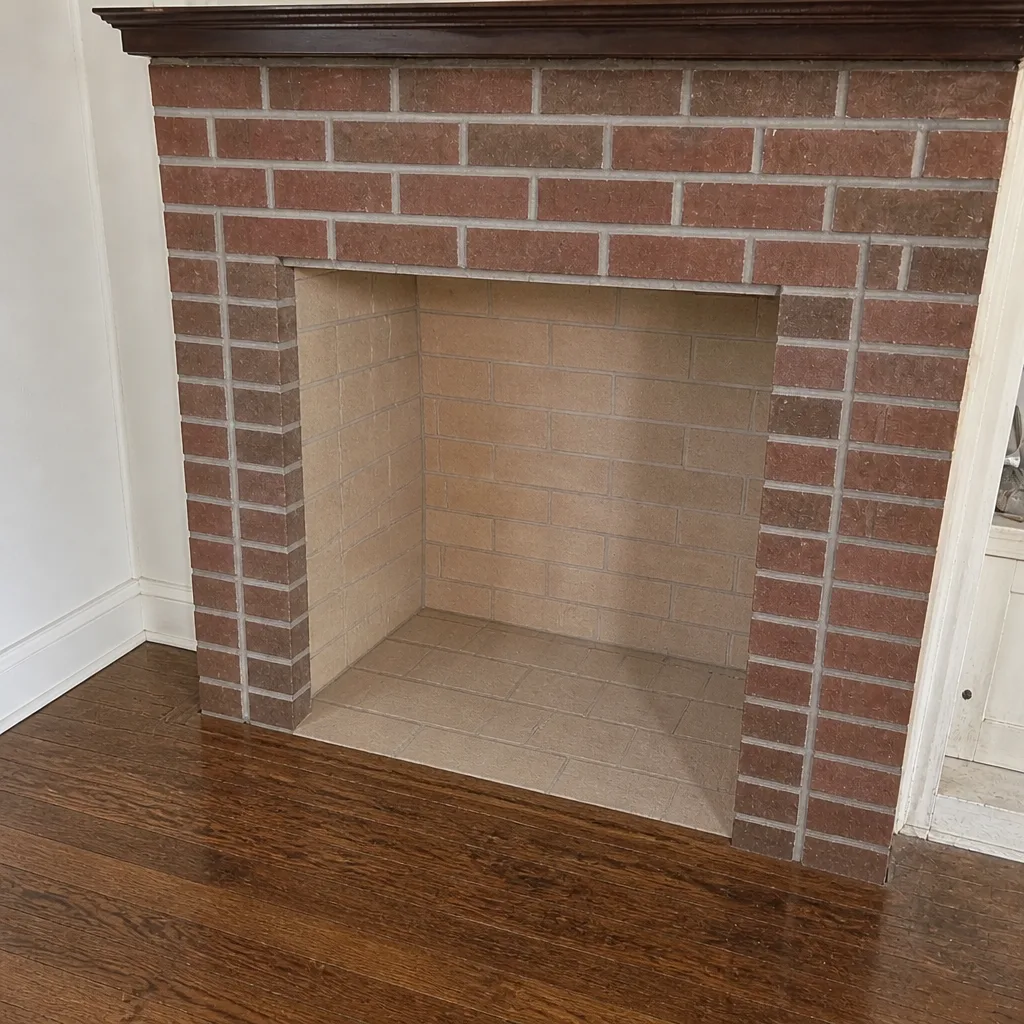
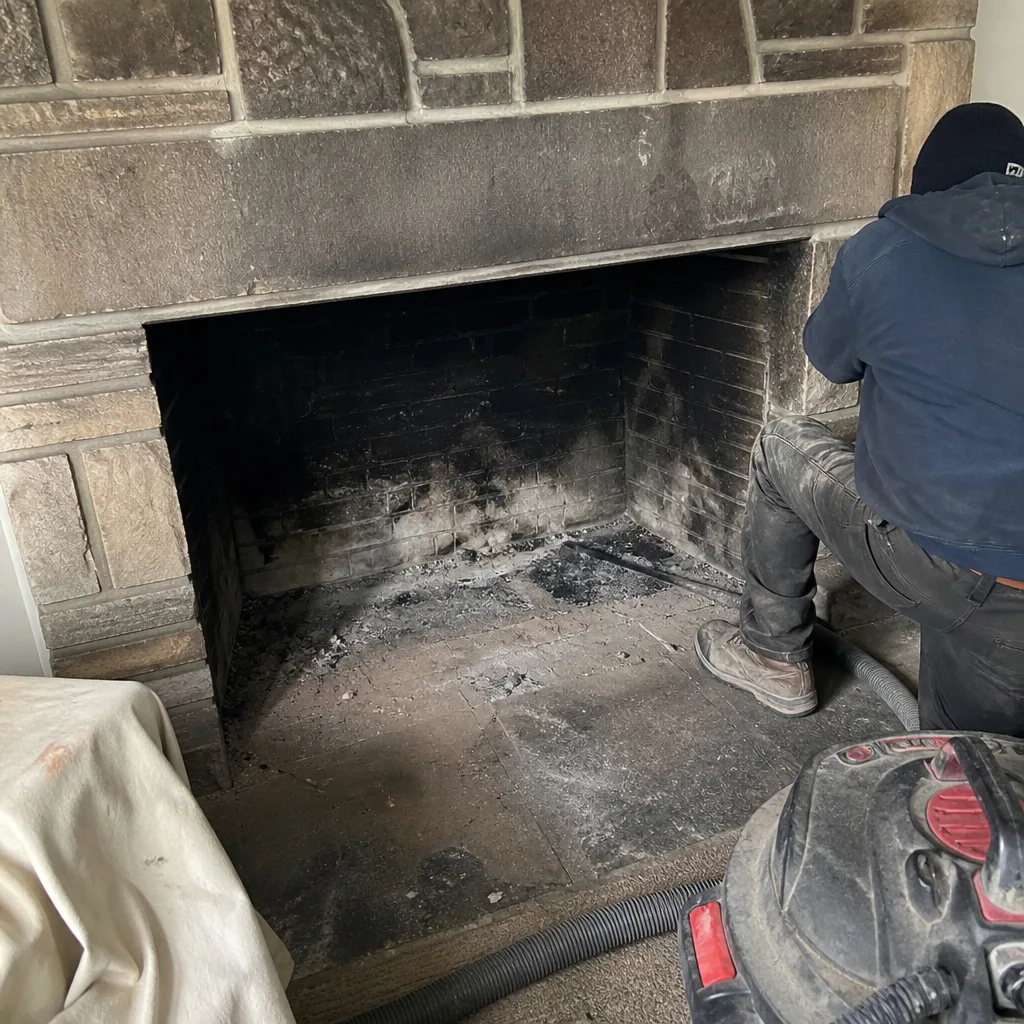
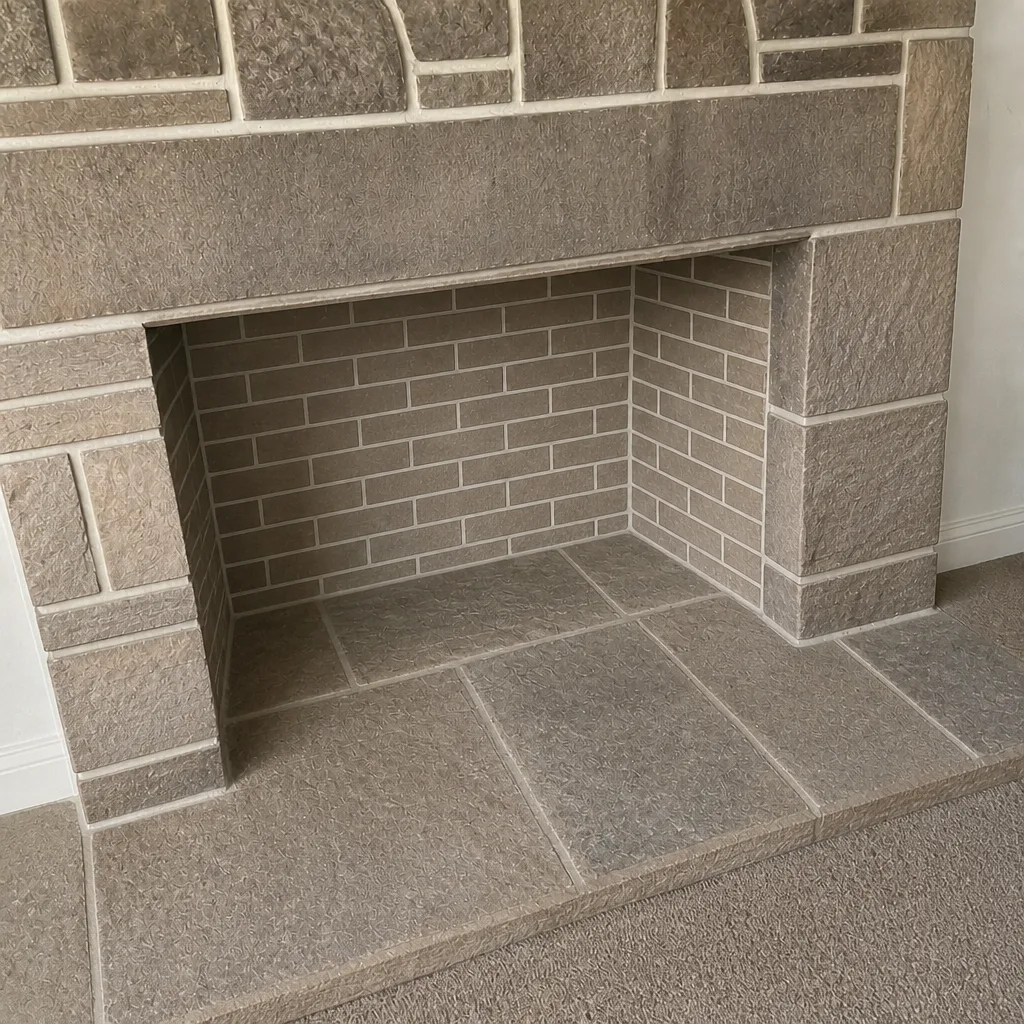
See the difference
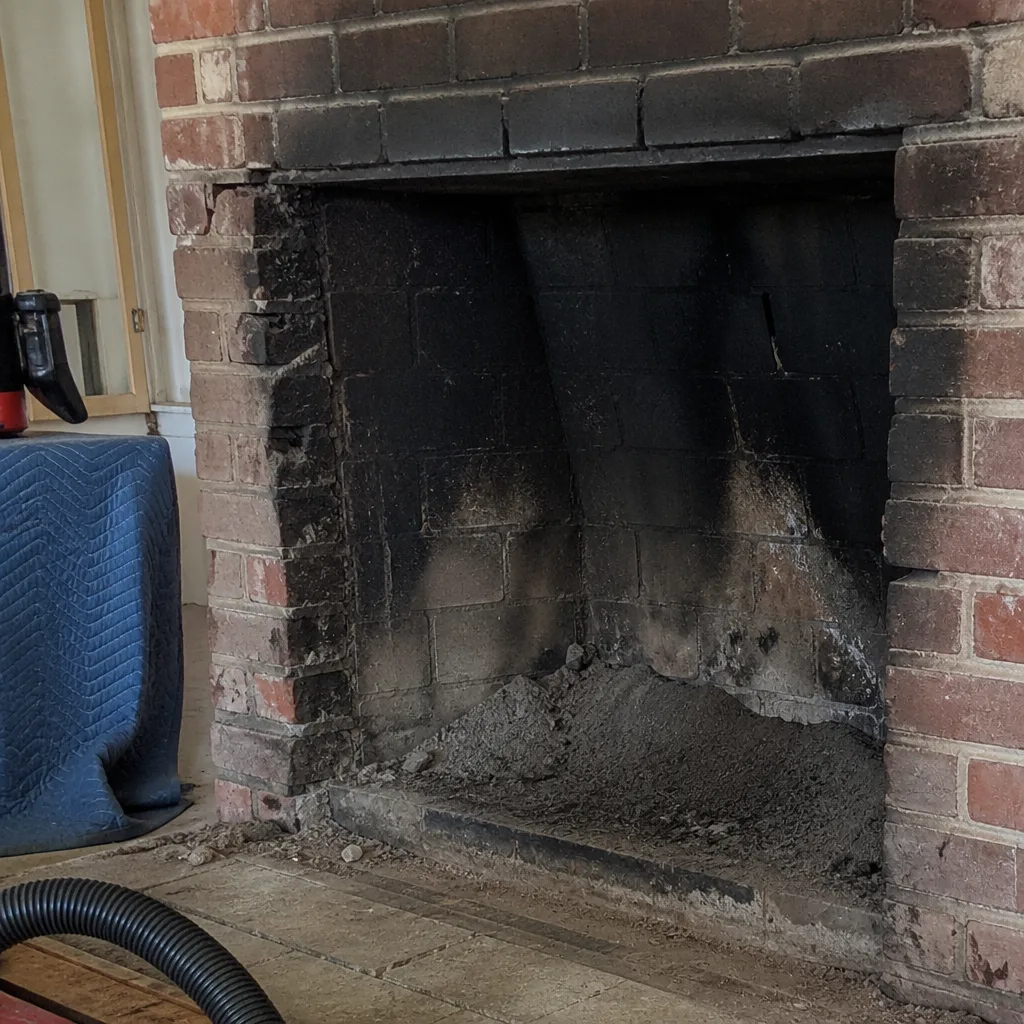 Before
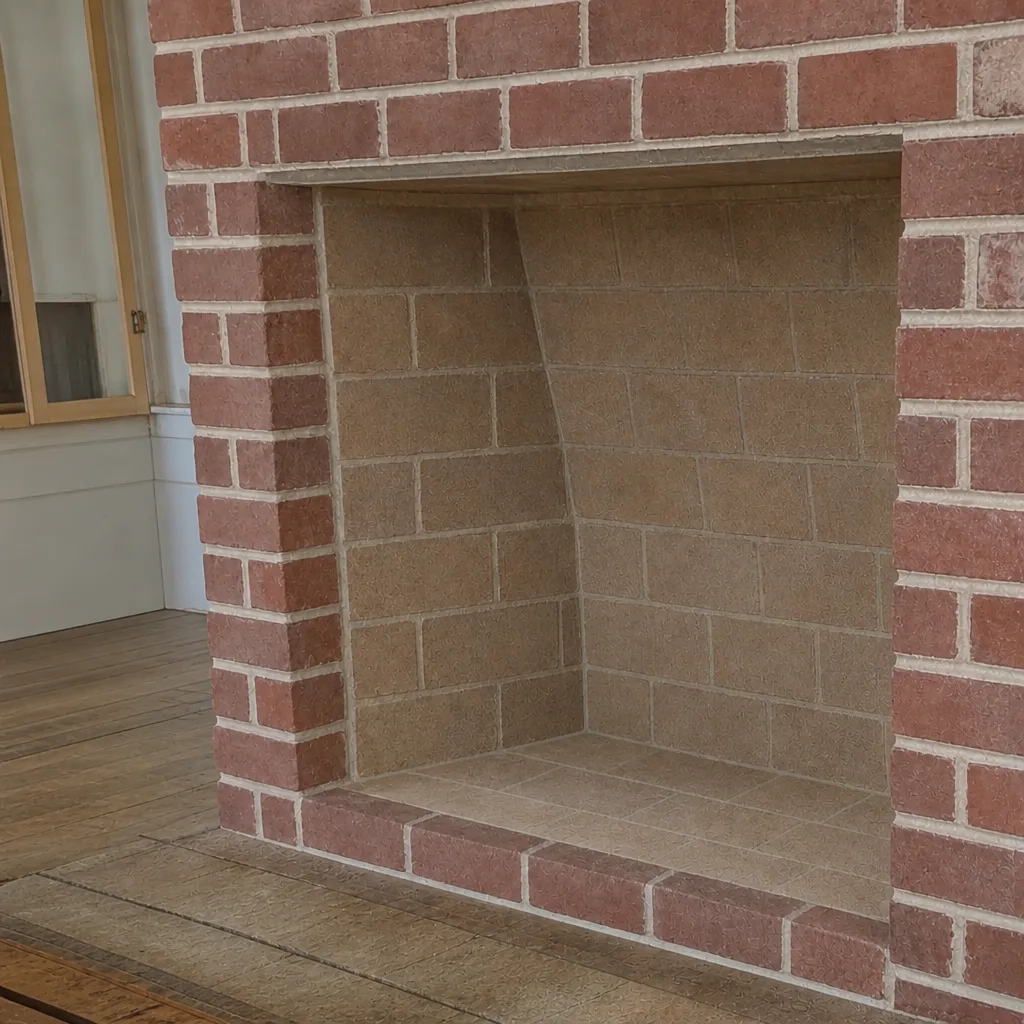 After
 Before
 After
 Before
 After