
Last updated November 25, 2026
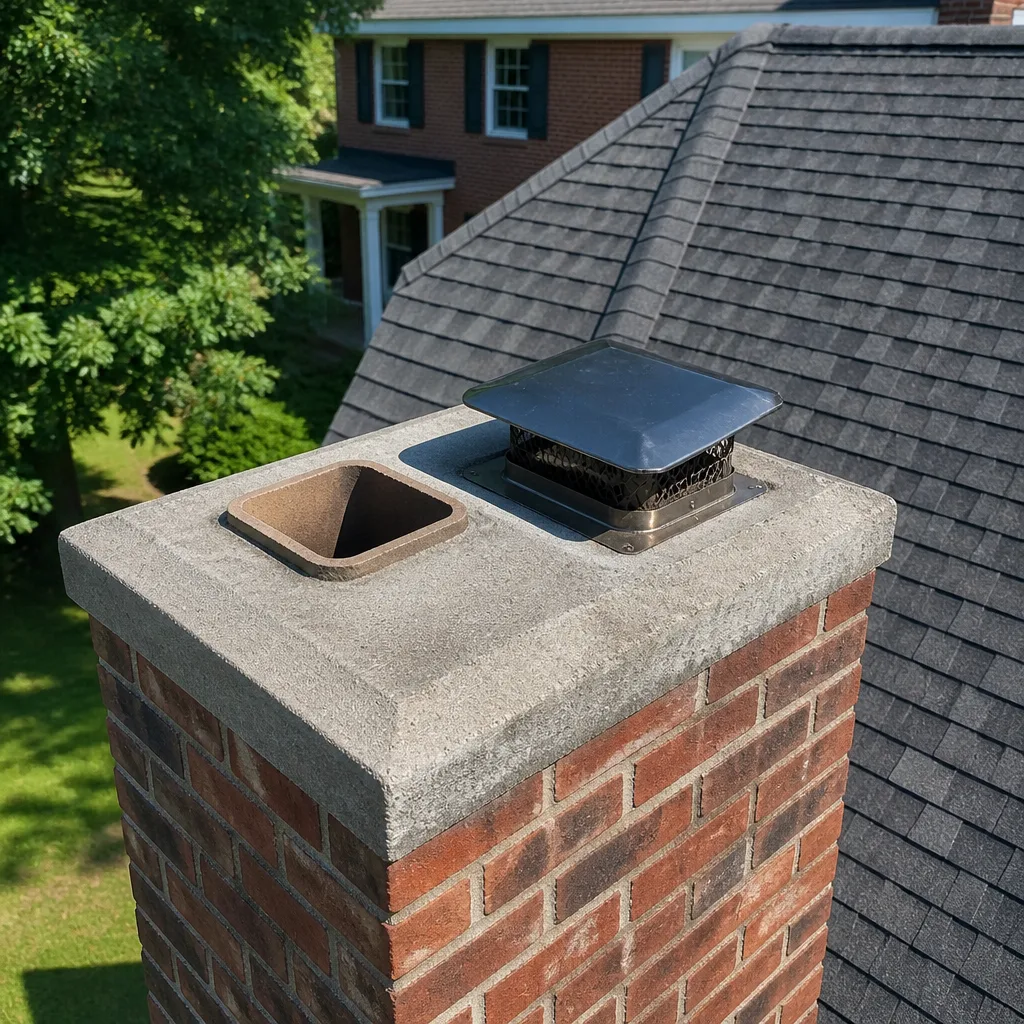 Sweep & inspection
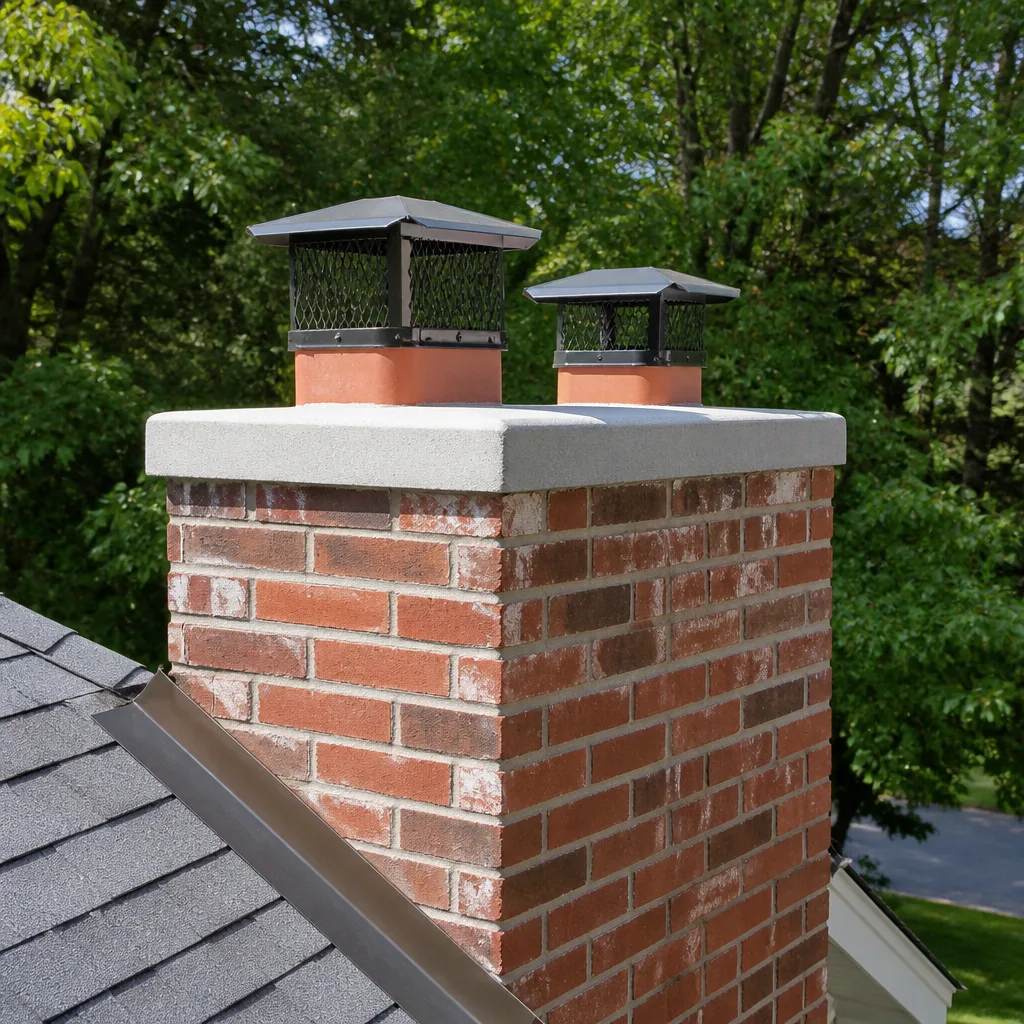 Caps & crowns
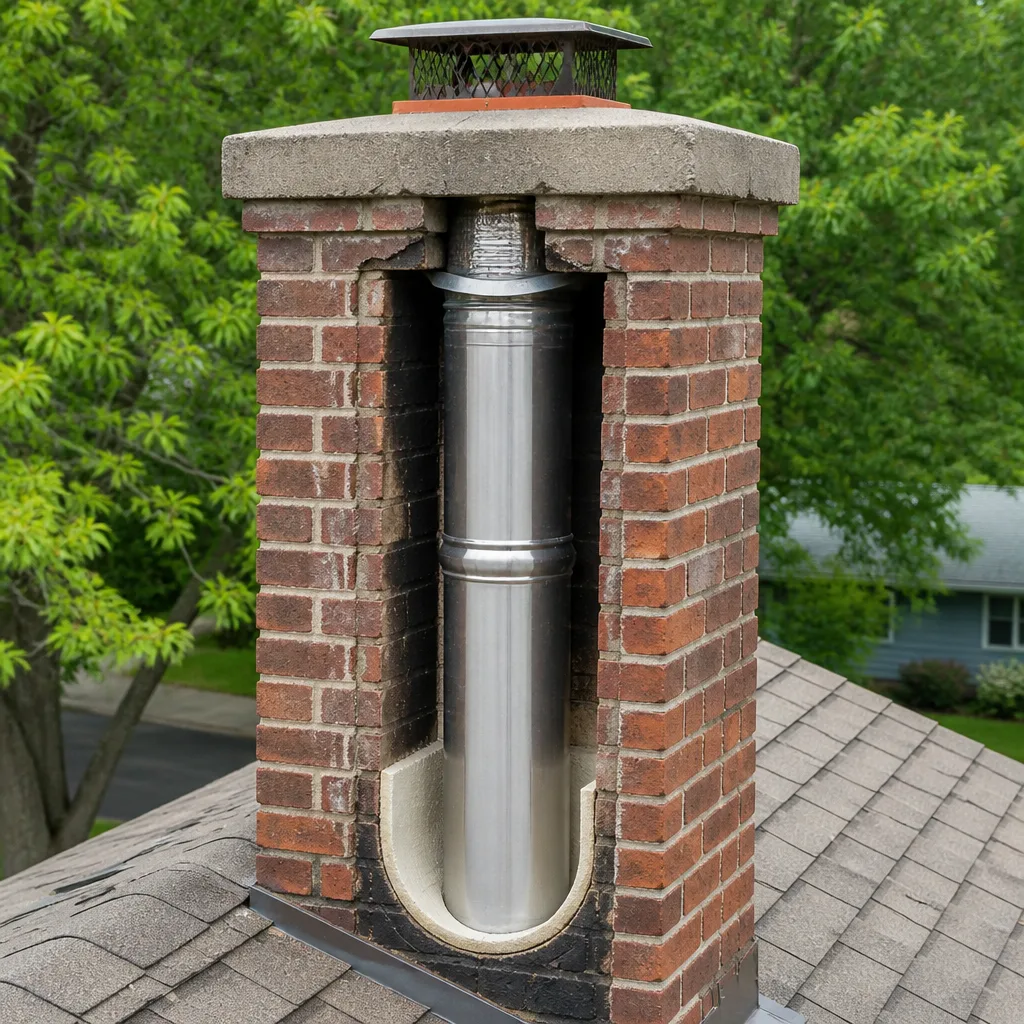 Flue relining
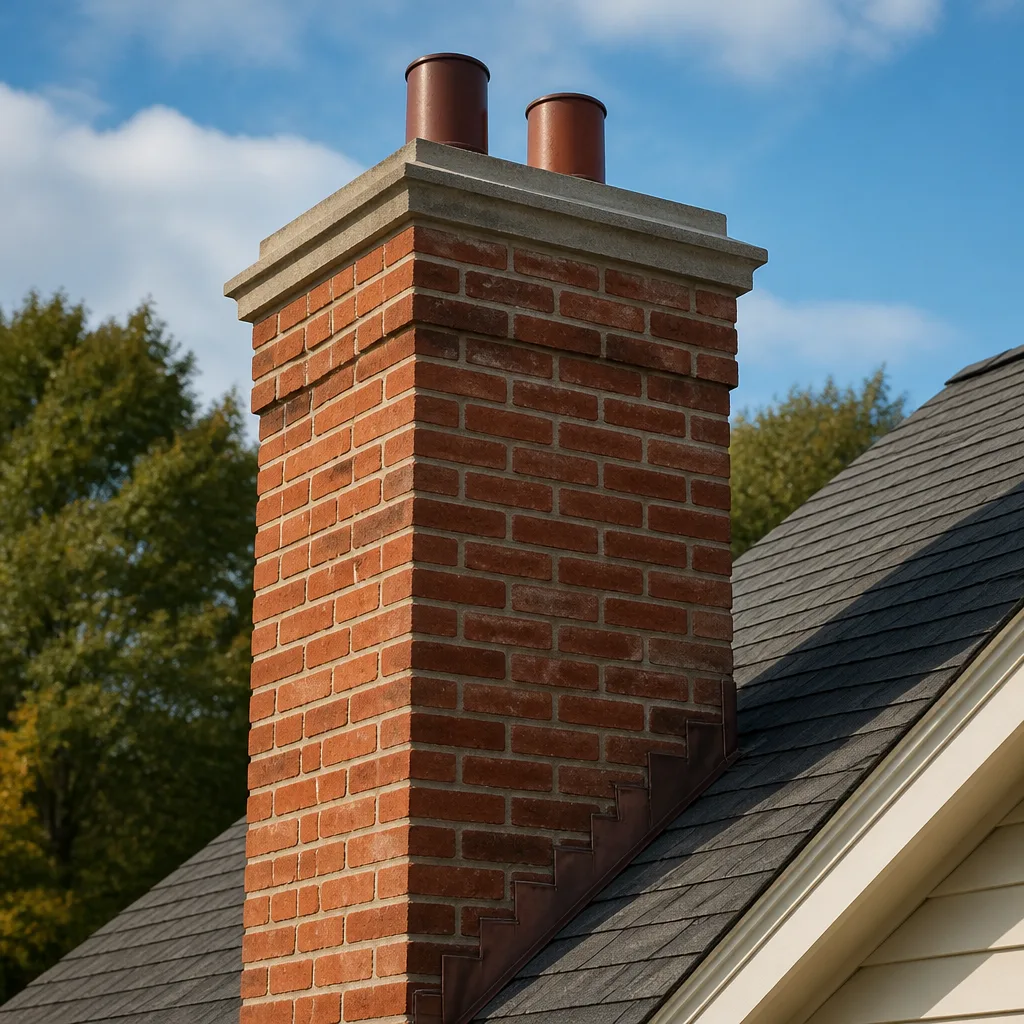 Masonry repair
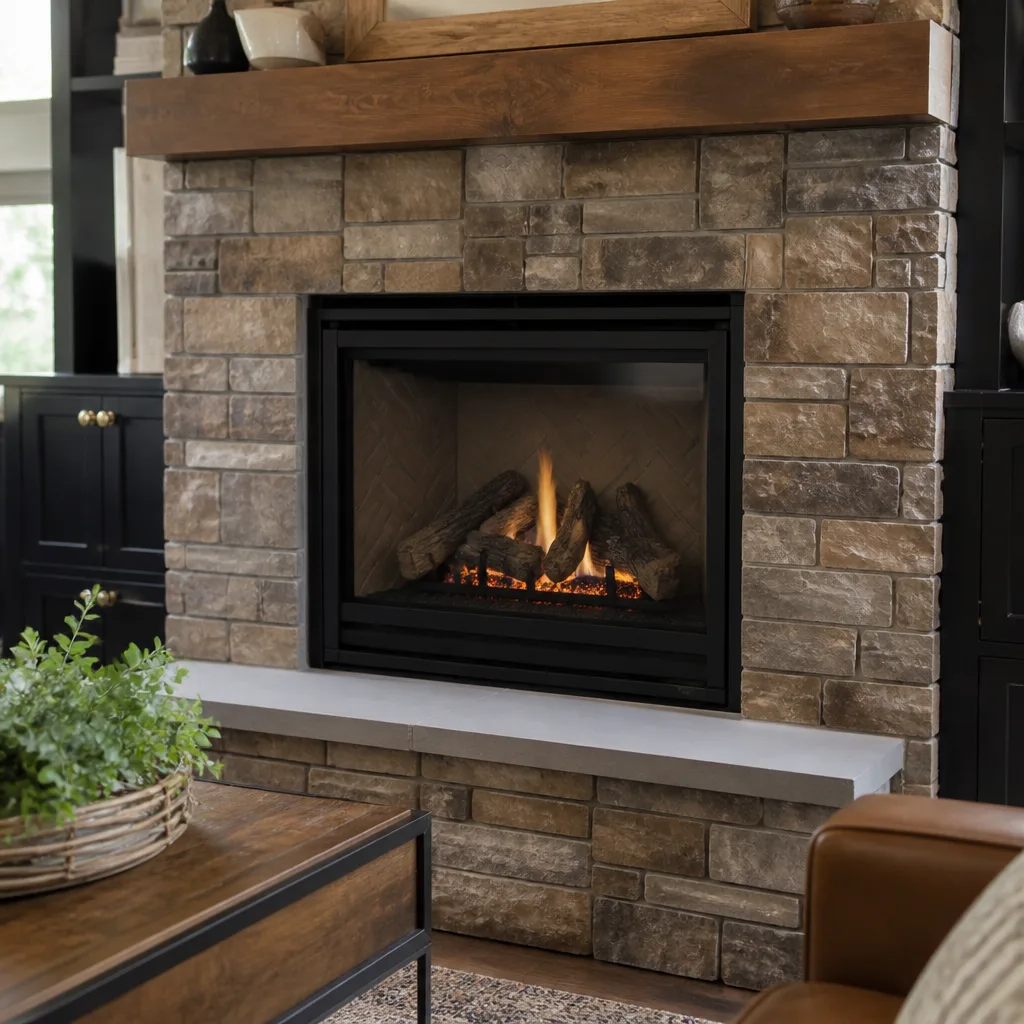 Gas fireplace service
Level 1 sweep and inspection to the NFPA 211 annual standard - flue, crown, cap, and flashing checked and photographed
Chimney sweep logs do not sweep chimneys. They loosen some creosote - which then falls where a brush and vacuum still have to collect it.
DIY vs Professional Chimney Cleaning: The Soundview Homeowner’s Decision Guide
You can buy the same brushes a sweep uses. What you can’t buy at a hardware store is the judgment that comes bundled with them: knowing that the stage-2 creosote glaze you just brushed is sitting on a compromised flue wall, that the smoke shelf behind the damper is still packed with soot the brush never touched, and that the liner you can’t see has a crack running through it. Brushing a flue is a physical task. Diagnosing one is a trade. This guide draws a hard line between the cleaning work that’s genuinely reasonable to do yourself and the work where amateur execution creates liability instead of savings. We’ll cover what DIY brushing actually accomplishes, what it costs to tool up, when it’s fine, when it isn’t, and what a Soundview homeowner still needs a professional to look at every year.
Quick Answer
DIY chimney cleaning can handle light, routine soot removal on a straight, accessible flue in a home that burns dry, seasoned wood and has no history of problems. It cannot assess liner condition, clear the smoke shelf properly, identify stage-3 creosote, or produce any documentation that a professional inspection would. In Soundview and across New York City, the practical answer for most homeowners is a hybrid: sweep yourself only if your setup is simple and you understand the risks, and pay a professional for the annual inspection that catches what cleaning alone never will.
Styles & brands we work with
- Sweep & inspection
- Caps & crowns
- Flue relining
- Masonry repair
- Gas fireplace service
Table of Contents
- What DIY Brushing Actually Does (and Doesn’t) Accomplish
- The Tools and Materials a Real DIY Cleaning Requires
- Three Scenarios Where DIY Cleaning Is Genuinely Appropriate
- Three Scenarios Where DIY Creates Risk
- What You Still Need a Professional to Inspect
- NYC Liability: Documentation and Insurance After a Flue Fire
- Creosote, Wood Choice, and the Soundview Burning Season
- How a Professional Cleaning Actually Runs
What DIY Brushing Actually Does (and Doesn’t) Accomplish
A brush on a rod, worked up and down a flue, removes loose soot and light creosote from the flue walls. That’s it, and it’s worth being precise about, because a lot of homeowners assume the job is done once the black dust stops falling. A thorough chimney sweep involves more than the flue itself.
Here’s the honest breakdown of what a homeowner with a brush can and can’t reach:
- Flue walls above the damper: Yes, a brush reaches these on a straight flue. On an offset or angled flue, rod flexibility becomes a real limitation.
- The smoke shelf: No. This is the flat ledge just behind the damper that collects soot, ash and debris every fire. It’s the single most commonly missed area in DIY cleaning, and it’s the area that most affects how the fireplace drafts.
- The smoke chamber: Partially at best. The corbelled walls above the damper are difficult to brush evenly from below.
- The firebox and damper assembly: Surface soot, yes. Condition assessment of the damper plate and its hinge, no.
- The liner: You can brush it. You cannot see it. Unless you have a camera and the training to read what it shows, you’re cleaning a surface without knowing its condition.
- The exterior crown, cap and flashing: Completely out of reach in most setups, and often where water intrusion starts.
This is the gap that matters. A brush cleans. A camera and a trained eye diagnose. And in our experience across Soundview, the problems that cost the most to fix are the ones that were invisible during cleaning and obvious during inspection.
The Tools and Materials a Real DIY Cleaning Requires
A thorough DIY flue cleaning isn’t a broom and a ladder. Getting it right takes a specific kit, and once you price it out honestly, the math isn’t as favorable as it looks for a once-a-year job.
Here’s what a homeowner actually needs to do this properly:
- Polypropylene or wire chimney brush, sized to your flue. The brush has to match the flue’s dimensions, or it won’t make contact with the walls. One brush rarely covers an entire flue if the cross-section changes.
- Flexible fiberglass rods. Enough length to reach the top of the flue from the firebox, or vice versa. Cheap rods snap under load.
- A drop cloth and sealing tape. Soot travels. Sealing the firebox opening is the difference between a contained job and a room that needs repainting.
- Respirators, goggles and gloves. Soot and creosote aren’t dust you want to breathe in volume.
- A strong shop vacuum with a fine-particle filter. A household vacuum will distribute soot rather than capture it.
- Hand tools for the damper and smoke shelf. A scraper and a small brush on a flexible handle to reach the shelf.
- A ladder and roof access if you’re cleaning top-down. This is the part that turns a cleaning into a fall risk.
Add it up: a matched brush, rods, a proper shop vac and safety gear often costs more than a single professional cleaning, and the tools sit in the garage the rest of the year. That doesn’t make DIY wrong for everyone, but it’s worth comparing honestly against a real number rather than a guess. If your setup is complicated, the tools rarely pay for themselves.
Three Scenarios Where DIY Cleaning Is Genuinely Appropriate
There are real cases where a homeowner doing their own cleaning is a sensible choice. Being clear about them keeps the rest of this guide honest, because the answer isn’t “never.”
- You have a straight, vertical flue with a firebox you can seal and reach from above, and a short burning season. If you burn a cord or less of dry, seasoned wood per year and your flue is a straight shot, brushing it yourself between professional inspections is a reasonable routine. You know the layout, the tools are stored, and the work is contained.
- You’re doing a mid-season touch-up after heavy use. A light soot knock-down in the middle of the heating season can keep draft performance steady. This works best when a professional has already cleaned and inspected the system at the start of the season and found no issues.
- You’re clearing visible ash and debris from the firebox between cleanings. Emptying the firebox, clearing the grate and removing ash buildup is straightforward maintenance, and it’s genuinely yours to do. It reduces the fuel load a sweep has to clear off the smoke shelf.
What ties these together: a professional has already assessed the system and you’re handling routine upkeep within a known-safe condition. DIY cleaning works best as a supplement to professional inspection, not a replacement for it. For most Soundview homes, the annual inspection is the part that keeps the DIY parts safe.
Three Scenarios Where DIY Creates Risk
The other side of the line. These are the cases where brushing a flue without a trained eye doesn’t save money; it moves the risk somewhere you can’t see it.
- You find glaze on the flue walls. Stage-2 and stage-3 creosote are hard, shell-like deposits, not fluffy soot. Brushing might knock down a layer, but a brush doesn’t fully release glazed creosote from a flue wall. You can end up with a partially-cleaned surface and a false sense of security, and the next fire runs hotter against a compromised, uneven deposit. Proper treatment often means a chemical product from a professional line, applied correctly, not a hardware-store brush.
- You have a masonry flue with visible damage, or a home with a history of chimney fire. A cracked flue tile behind a fresh brush mark looks clean from the firebox. It isn’t. If you suspect any past flue fire or see cracked or missing mortar joints, brushing is the wrong first move, and the diagnostic step comes before cleaning.
- You can’t safely reach the roof, or the flue has offsets. This is where DIY becomes genuinely dangerous. A fall off a two- or three-story Soundview roof is not a cost-saving story. An offset flue also defeats most homeowner brush setups, meaning half the flue doesn’t get cleaned at all, and the part you can’t reach is the part most likely to be clogged.
One more scenario that belongs here: a new-to-you home with no service history. Without a baseline inspection, you don’t know what’s already in the flue. If the liner is HeatShield-lined, that liner also requires compatible cleaning methods and an assessment of its condition to know it still functions. Hard-brush a restored liner without knowing what you’re doing and you can shorten its life. Liner restoration with chimney repair and HeatShield work is a professional’s call, not a homeowner’s.
What You Still Need a Professional to Inspect
Here’s the point this guide comes back to, and it’s the one we’d underline if we could only underline one thing: cleaning and inspection are two different jobs, and cleaning yourself doesn’t replace the inspection. In our experience, the majority of significant chimney problems we find in Soundview homes are found during inspection, not cleaning. A camera didn’t come out because the flue looked dirty; the camera came out because that’s what inspection means.
A professional inspection checks the parts a brush never touches:
- Liner condition and joints: Cracks, gaps and deterioration that a brush can’t see and soot can hide.
- Smoke chamber and damper operation: Functionality, not just appearance.
- Crown, cap and flashing: Water intrusion starting points on the roof. Our chimney cap & crown work exists because a surprising number of chimney problems start at the top and show up years later at the bottom.
- Creosote type and buildup depth: Whether a chemical treatment is needed before any more burning.
- Draft and pressure behavior: Whether the system is actually venting the way it should in your home.
Cameras and a photo report matter here because they let you see what we see. Nothing gets recommended from a glance at the firebox; the report is the evidence, and you can review it at your own pace. Standalone inspection is also why we offer it as a service on its own, so a homeowner can get a diagnostic without a cleaning bundled behind it. That’s the whole point of separating the two.
NYC Liability: Documentation and Insurance After a Flue Fire
This is the section most DIY guides skip, and it’s the reason Soundview homeowners should think about paperwork, not just brushing. If a flue fire happens after you’ve cleaned the chimney yourself, the record of what you did and when it was last professionally inspected matters. A brush and a bucket of soot produce no report, no photos and no written record. A professional service does.
Here’s how the two paths diverge in a claim situation:
- Documentation: A professionally serviced chimney comes with a record of the cleaning and inspection date, findings and condition. A self-cleaned chimney comes with none of that. Insurers investigating a flue fire check what maintenance exists.
- Cause-of-loss findings: A failed insurance claim over a chimney fire often turns on maintenance history. The insurer’s adjuster looks for evidence of upkeep. If the only records are absent, that absence is itself part of the conversation.
- Liability after a fire spreads: A flue fire that damages a neighbor’s unit in a multi-family building brings the building’s responsibility into the picture. A documented professional inspection is a much cleaner position than a self-cleaning with nothing on file.
- Resale and disclosure: Some buyers’ and mortgage processes ask for service history. A professional record answers the question; DIY does not.
We’re not in the business of telling homeowners what their policy covers. What we do is document every cleaning and inspection so the record exists and the homeowner isn’t reconstructing it later. That’s part of the value of the service beyond the cleaning itself. A note on code and permits: Soundview, NY requirements for chimney work in a specific building can vary, so if any repair or rebuild is involved, ask your building department about permits before work begins. We can walk through that with you.
Creosote, Wood Choice, and the Soundview Burning Season
Creosote formation is partly a climate-and-habit story, and it explains why chimney cleaning matters differently in Soundview than it might somewhere warmer. Our winters are cold enough that the fireplace or wood stove runs as the primary heat for stretches of the season, but not so uniformly cold that fires always burn hot. Cooler shoulder-season fires, damp wood and an overnight banking habit all push creosote formation higher. A flue that runs hot and clean on a few hard-burn days behaves very differently from one that runs smoky, cool fires once a week.
The practical result is that buildup here tends to follow the wood. Seasoned hardwood burned hot produces less creosote than unseasoned or “green” wood, which produces more smoke and more deposits. If your fire is steaming from the ends when it lights, or you’re pulling wood from a stack that’s been in damp storage, you’re pushing deposit accumulation higher, and the annual cleaning threshold comes sooner. That matters to the DIY question directly: if you’re burning wet wood, brushing lightly once a year isn’t keeping the deposit load down, and the stage-2 problem sneaks up.
Gas fireplaces are a different story. If your home has a gas fireplace or insert, there’s no creosote to speak of, but the venting still needs periodic inspection and the firebox and logs still need servicing. A gas system is not a “no maintenance” system, it’s a different maintenance system. The materials and brands the annual service touches change, but the case for annual inspection doesn’t.
How a Professional Cleaning Actually Runs
If you’ve never had a professional service, knowing the sequence removes the mystery. Here’s how a typical job runs when we send a technician out:
- Protect the room. A sealed drop cloth goes down at the firebox before anything moves.
- Set up the vacuum and containment. The workspace is negative-pressure sealed, so soot stays where it belongs.
- Brush the flue, from the firebox or the roof. The size of the firebox, the flue, and the access point dictate the method.
- Clear the smoke shelf and smoke chamber. This is the part a homeowner’s brush misses, and it’s the reason fires draft properly after a thorough cleaning.
- Run a camera. The flue and liner get a visual check. If something turns up, you see the image, not a description of it.
- Check the damper, cap and crown. These are the moving parts and the weather-exposed parts, and they determine how the whole system holds up.
- Walk you through the findings. Flat price agreed before booking, camera inspection and photo report included, and options presented after the evidence, not before.
If something needs fixing, we’re working with the same professional-grade materials chimney engineers specify: DuraFlex liners, HeatShield restoration systems, and Olympia Chimney components, not the box-store version of the same idea. One crew handles the whole system, from the firebox to the crown, so there’s no handoff between a cleaner and a repair contractor. If you want to compare the cleaning path, the Chimney Sweep Soundview overview lays out the full scope we cover.
Common Mistakes to Avoid
- Skipping the smoke shelf every single time. It’s the flat ledge behind the damper, hard to see and hard to reach, and it’s where a big share of the soot and debris settles. A flue that’s brushed but a shelf that’s packed still drafts poorly.
- Brushing glazed creosote and calling it clean. Stage-2 and stage-3 creosote don’t yield to a brush the way soot does. Brushing it a little and leaving the rest is worse than not cleaning at all, because it hides the problem behind a slightly lighter surface.
- Treating the cleaning as the inspection. Cleaning verifies nothing about liner condition, crown integrity or damper function. The two jobs need to happen, and for homeowners in Soundview doing their own cleaning, the annual inspection should stay professional, even when the brushing doesn’t.
- Cleaning on an unseasoned wood habit. If the wood is wet or the fire runs slow and smoky all season, the flue builds deposits faster than an annual brushing can stay ahead of. Fix the fuel before blaming the brush.
- Working on the roof without a real plan for the fall. Roof access is the part of DIY cleaning that turns into a medical expense. If you can’t get to the top safely, don’t plan to clean from the top; get it cleaned professionally.
- Assuming no documentation is fine. A self-cleaned chimney leaves no record. If a flue fire ever comes up in an insurance conversation, the missing record becomes the question.
- Starting a repair task the cleaning reveals. The damaged crown or cracked tile you notice while cleaning is not a follow-up you finish yourself. That’s where chimney cap & crown work belongs to a professional, and where the wrong repair can make the damage worse.
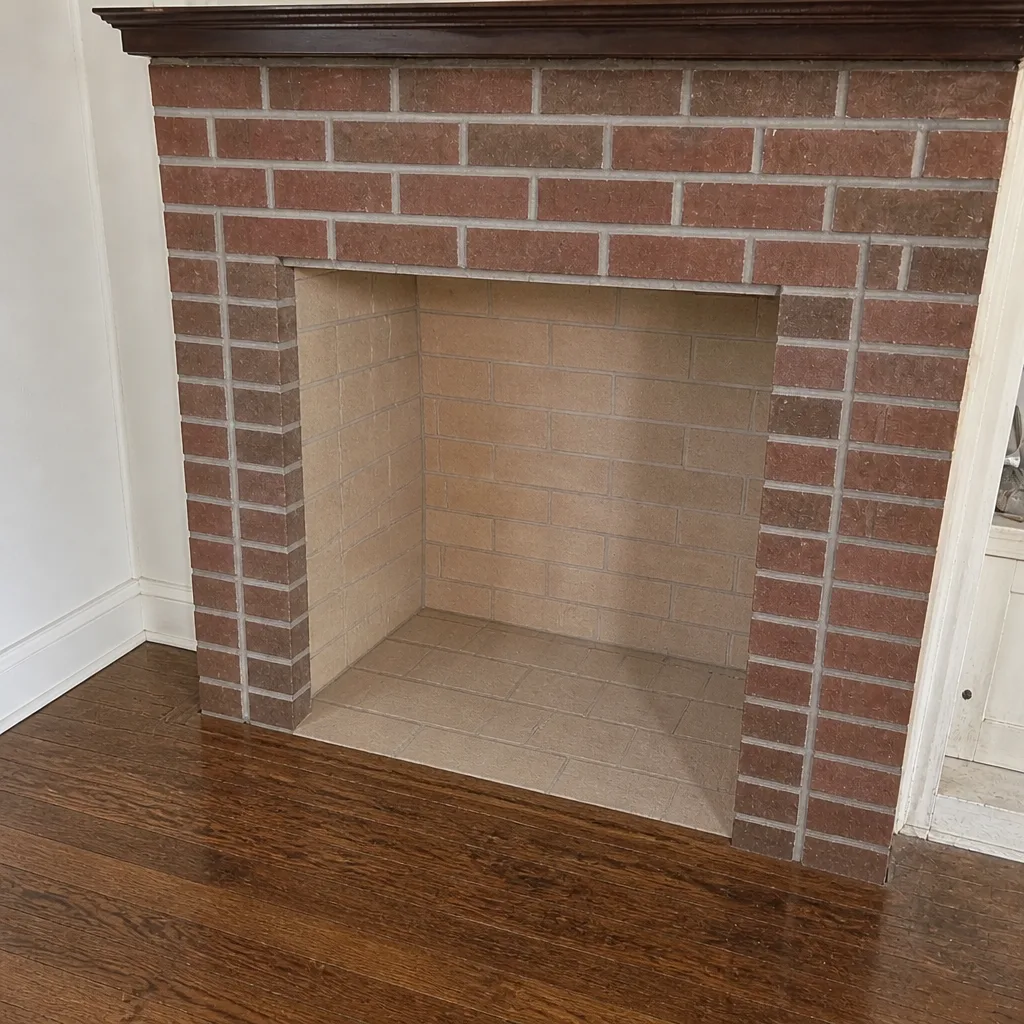
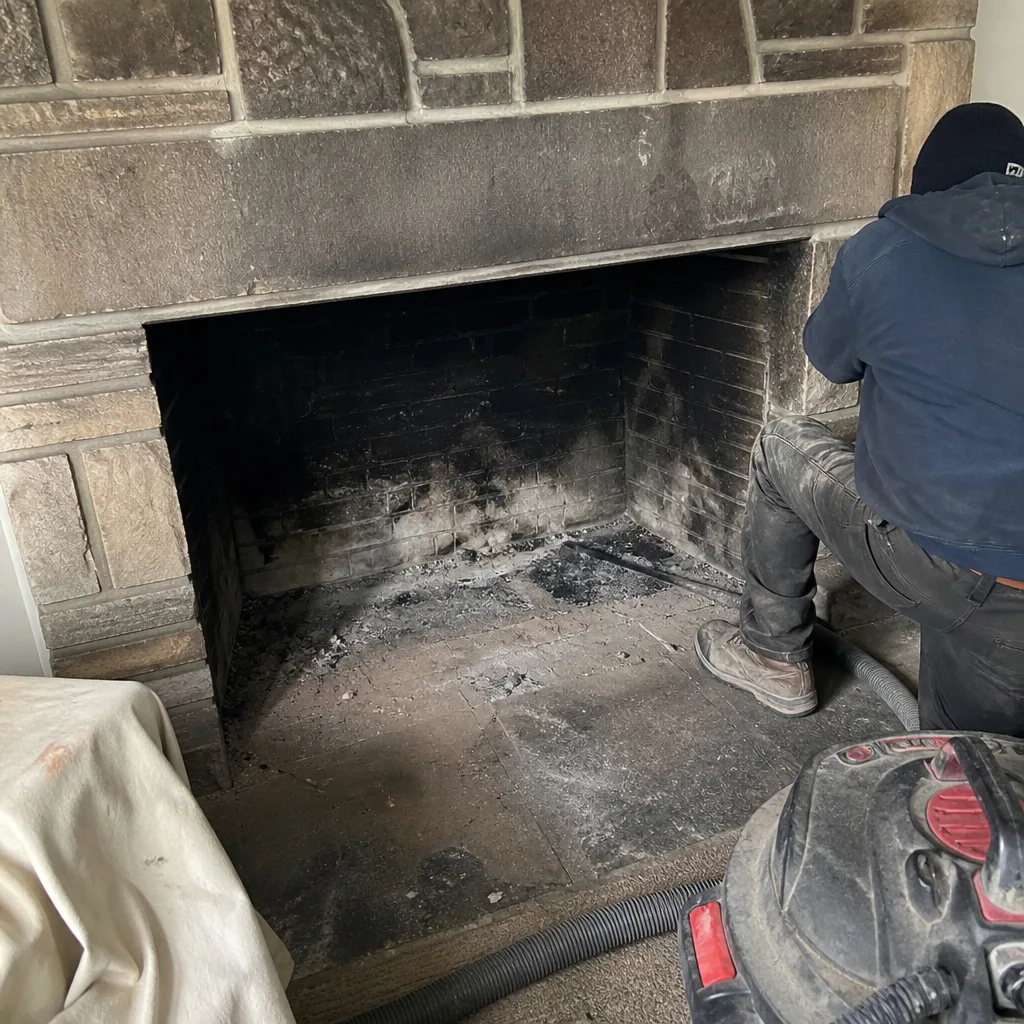
See the difference
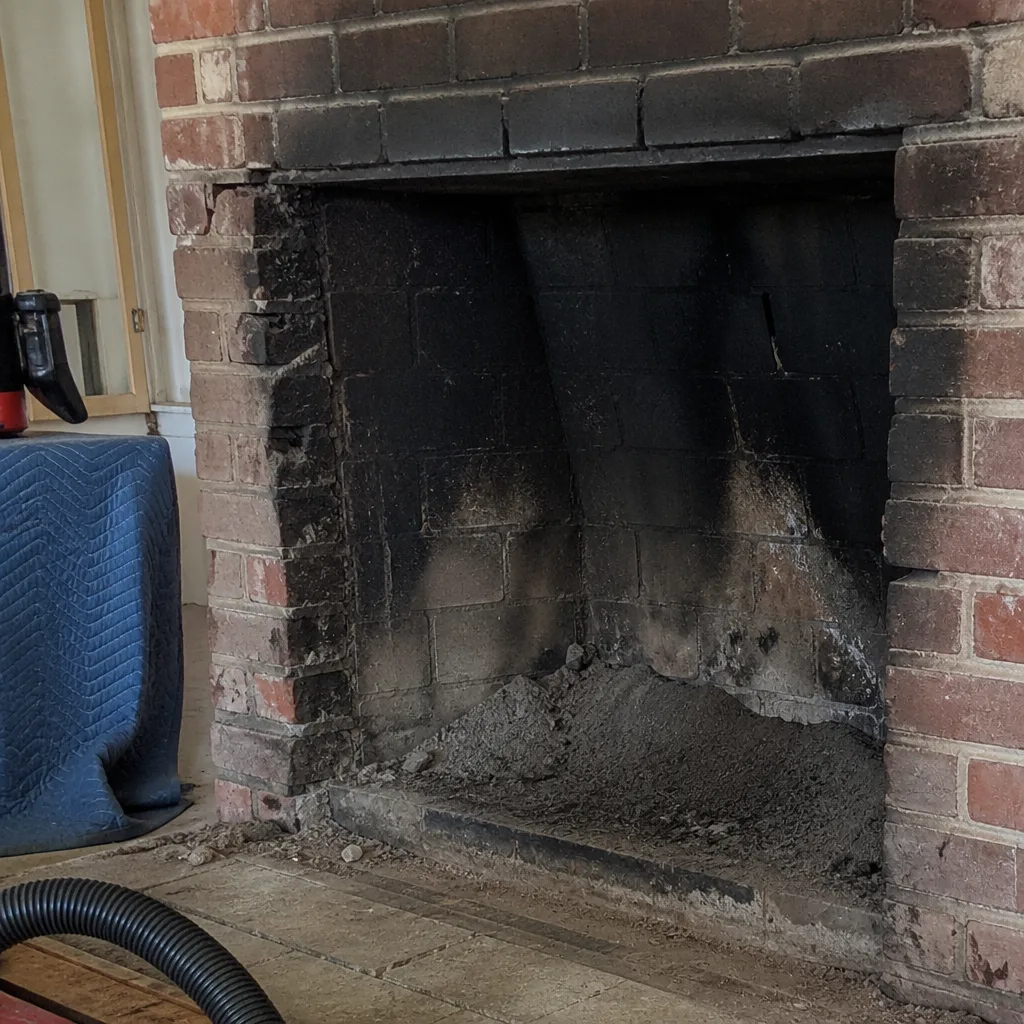 Before
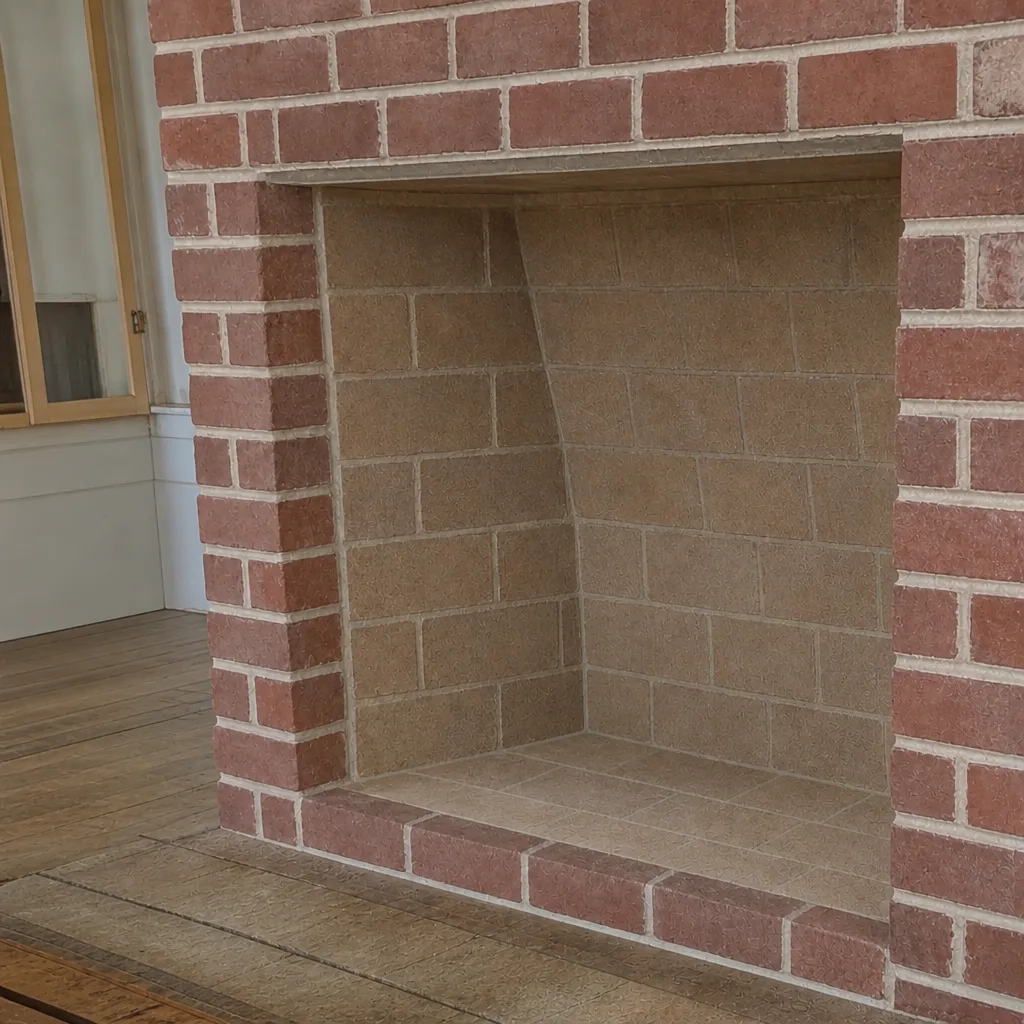 After
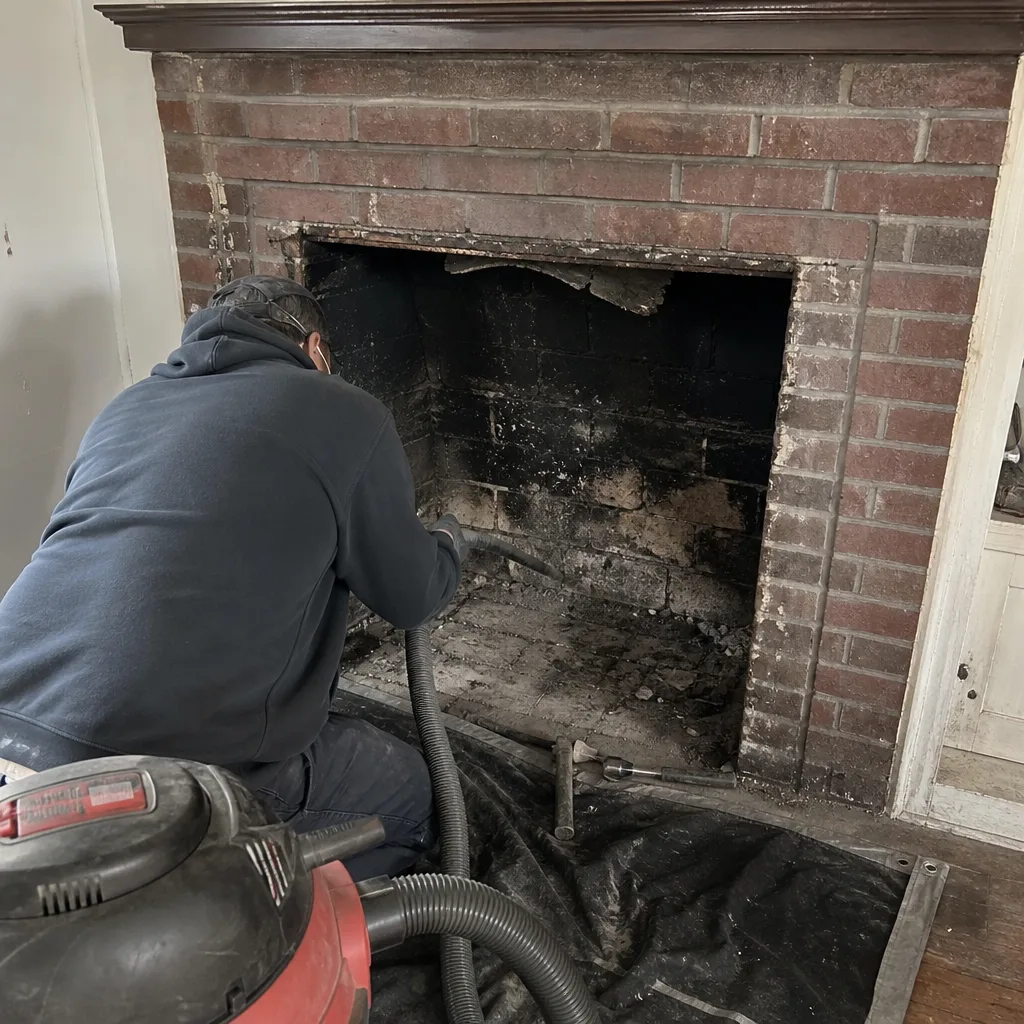 Before
 After
 Before
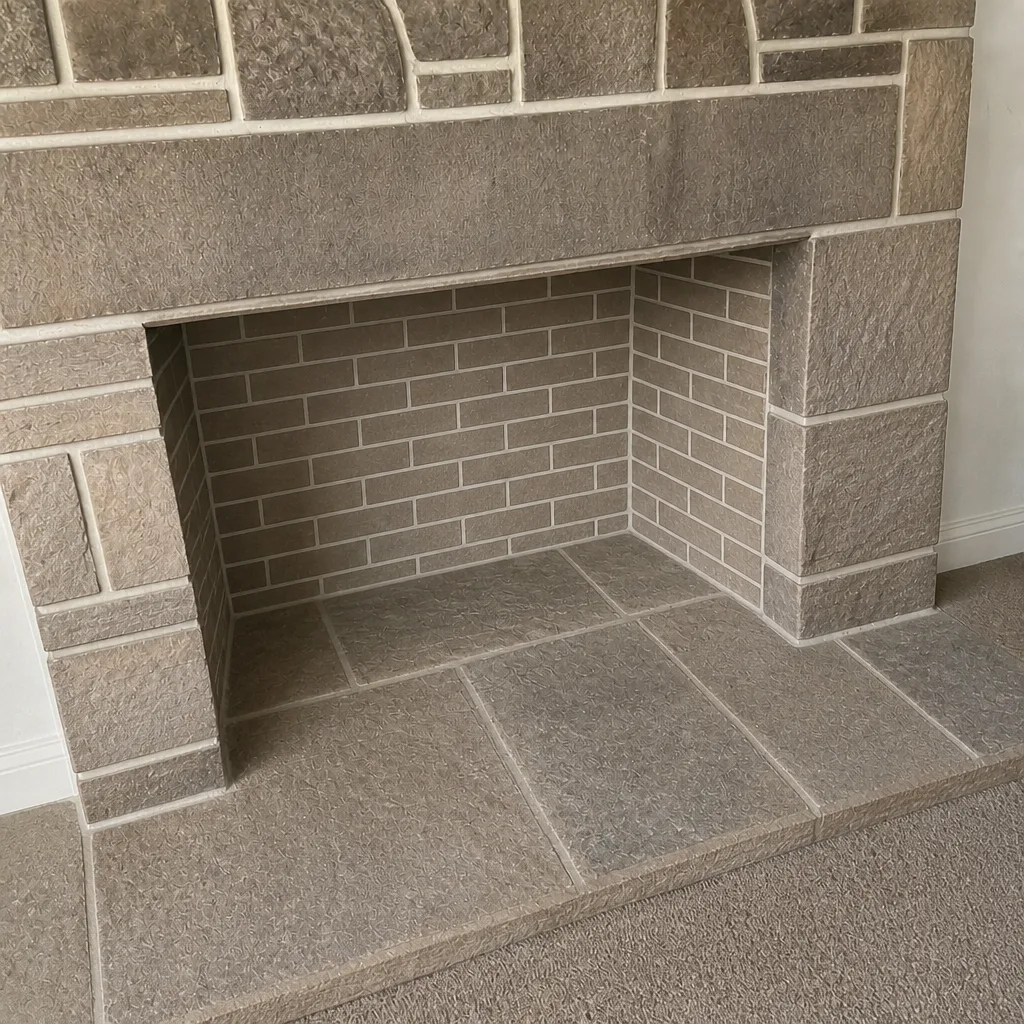 After
When to Call a Professional
A few specific triggers make the call for you, even if you’ve been handling your own cleaning. Call a professional if you’ve had more than one cord of wood through the fireplace since the last cleaning, if you see glaze on the flue walls, if there’s a history of chimney smoke spilling into the room, if the firebox shows cracked tiles or missing mortar, or if you simply can’t say when the system was last properly inspected. Also call if your flue is offset, if you’re not comfortable on a roof, or if the home is new to you and its history is unknown. Chimney Sweep Soundview offers free estimates in Soundview – call (866) 947-9290. We answer 24/7. Fast dispatch from 7am to 7pm, Sunday through Friday. We’ll tell you what we find, show you the camera evidence, and give you options.
Frequently Asked Questions
It’s worth it in a narrow set of cases: a straight, accessible flue, light soot from a short burning season, and a professional inspection already on record. For most Soundview homes with a masonry chimney and a full heating season, the tool cost and the missing diagnostic make professional cleaning the better value. If you do clean your own, book the annual inspection separately so the liner and crown still get looked at.
Only on a masonry flue with no liner damage, and only with a brush matched to the flue’s dimensions. A wire brush on a HeatShield-restored liner or any stainless liner can score the surface and shorten its life. If you aren’t sure what’s inside your flue, that’s the moment to have it inspected before you brush it, because you can’t undo an aggressive cleaning.
A cleaning removes soot and light deposits from the flue and smoke shelf. An inspection assesses the system’s condition: liner joints, crown, cap, damper, smoke chamber and draft. The cleaning is physical work; the inspection is diagnostic work, and it’s the part a brush can’t substitute for. Standalone inspections exist precisely because a clean chimney can still have a serious condition problem.
Yes, though the work differs. Gas fireplaces don’t produce creosote, so there’s no brushing in the same sense, but venting, firebox condition, logs and the safety of the assembly still need periodic professional review. A gas system with no service history is a system worth having inspected. Call (866) 947-9290 for an exact quote – estimates are free.
A matched polypropylene or wire brush, flexible rods long enough for the flue, a sealing drop cloth, respirators and goggles, and a shop vacuum with a fine-particle filter. Add a scraper for the smoke shelf and a ladder for roof access if you’re going top-down. The kit often costs more than one professional cleaning, and it only pays off if your setup is simple and you keep the annual inspection professional.
It can affect how a claim is examined. A professional cleaning and inspection leaves a record with dates, findings and photos; DIY leaves none, and insurers investigating a flue fire look at maintenance history. That doesn’t mean a self-cleaned chimney is automatically a coverage problem, but the documentation gap is real. Call (866) 947-9290 for an exact quote – estimates are free, and the photo report is included.
The Bottom Line
The DIY versus professional question comes down to what you can’t see. Brushing a flue from below or above cleans the surfaces you can reach; it doesn’t assess a liner, clear a smoke shelf properly, treat glazed creosote, or produce a record anyone can rely on later. DIY is reasonable for a straight, accessible flue on a short burning season with a professional inspection already on file. It’s the wrong tool when there’s glaze, a damaged masonry flue, an offset, or no service history. The smart middle path for most Soundview homeowners: if you want to handle routine brushing yourself, do it within a professional inspection cycle, and keep the diagnostic piece professional. That’s the arrangement that protects the home without paying for work you can do.
Contact Chimney Sweep Soundview
If you’d like a straight assessment of your chimney and fireplace system before the burning season, call (866) 947-9290 for a free estimate. We answer 24/7. Fast dispatch from 7am to 7pm, Sunday through Friday. A technician will clean or inspect what’s there, show you the camera findings, and give you options in plain language – no work recommended without evidence you can see for yourself. Our technicians have up to 15 years of experience, and we work across the full system, from the firebox to the crown.
Written by the team at Chimney Sweep Soundview.