
Last updated November 25, 2026
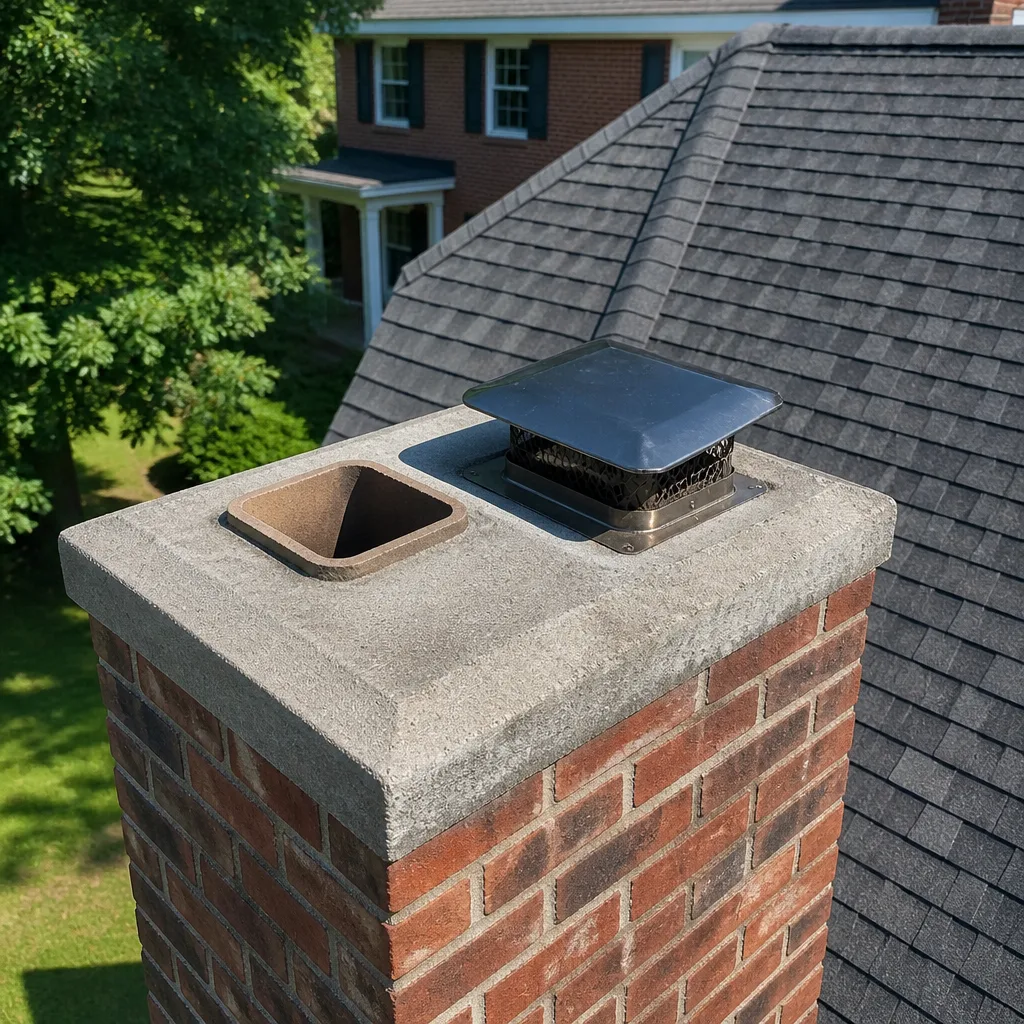 Sweep & inspection
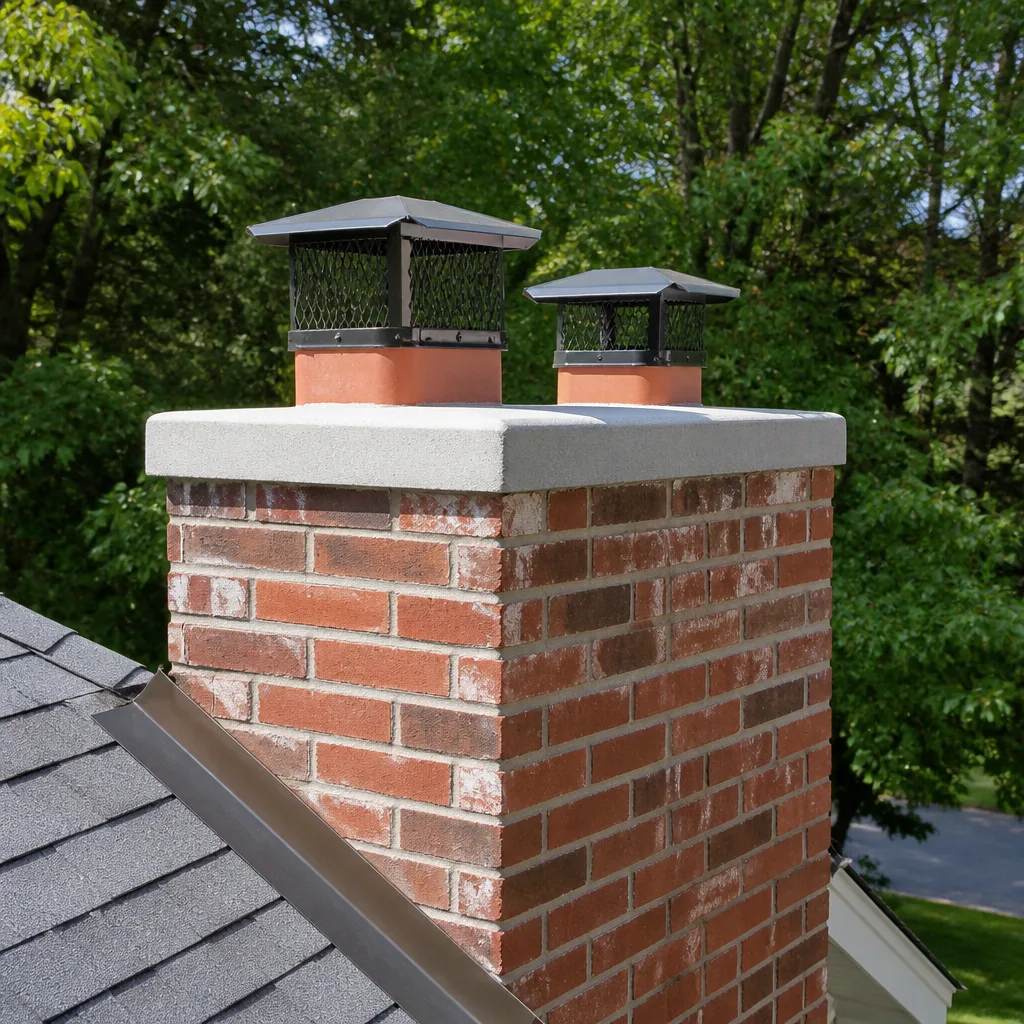 Caps & crowns
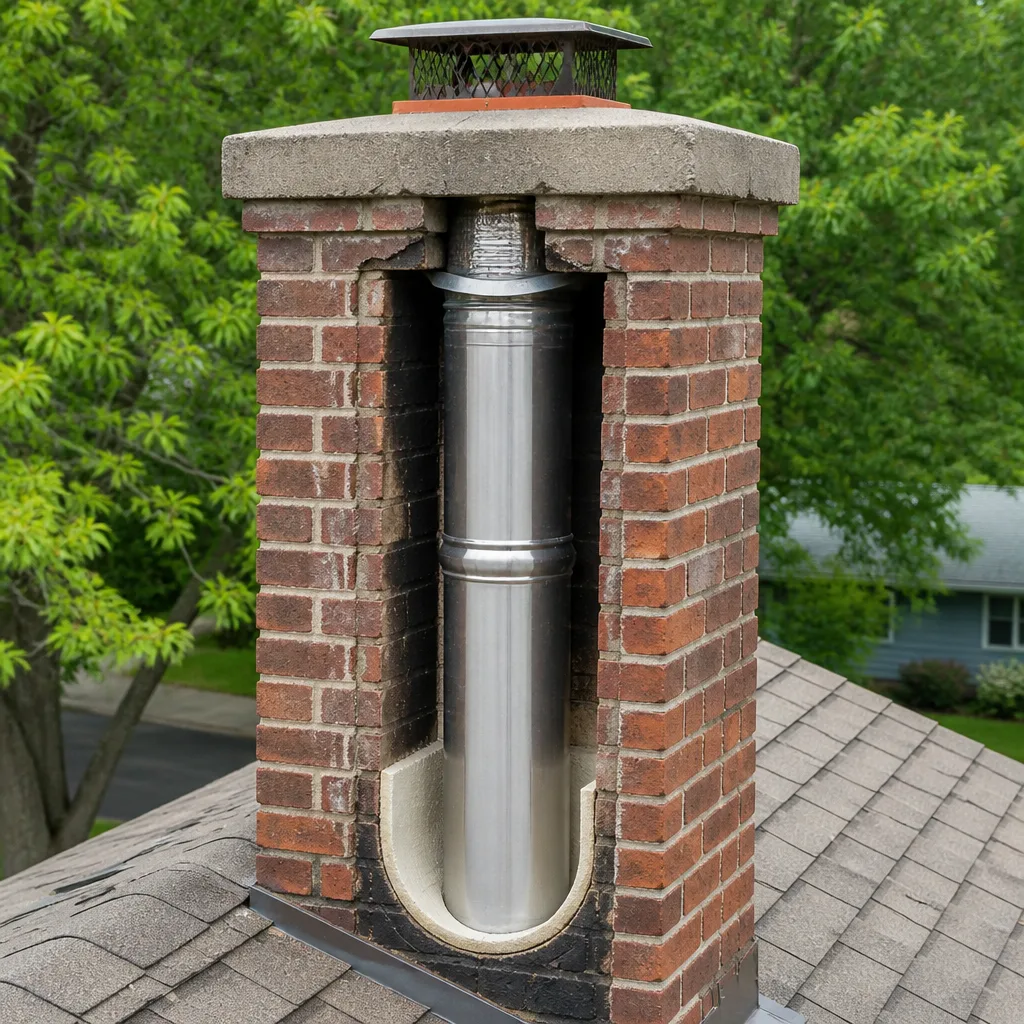 Flue relining
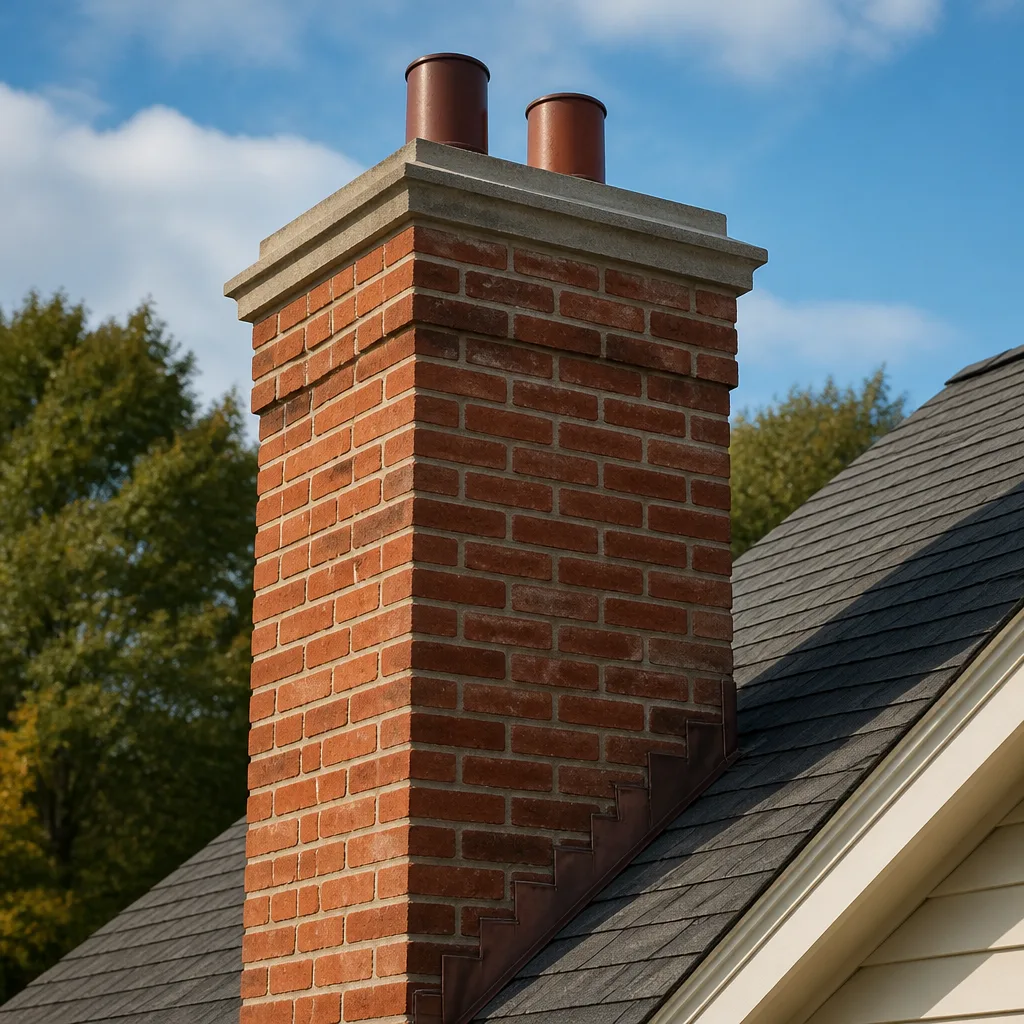 Masonry repair
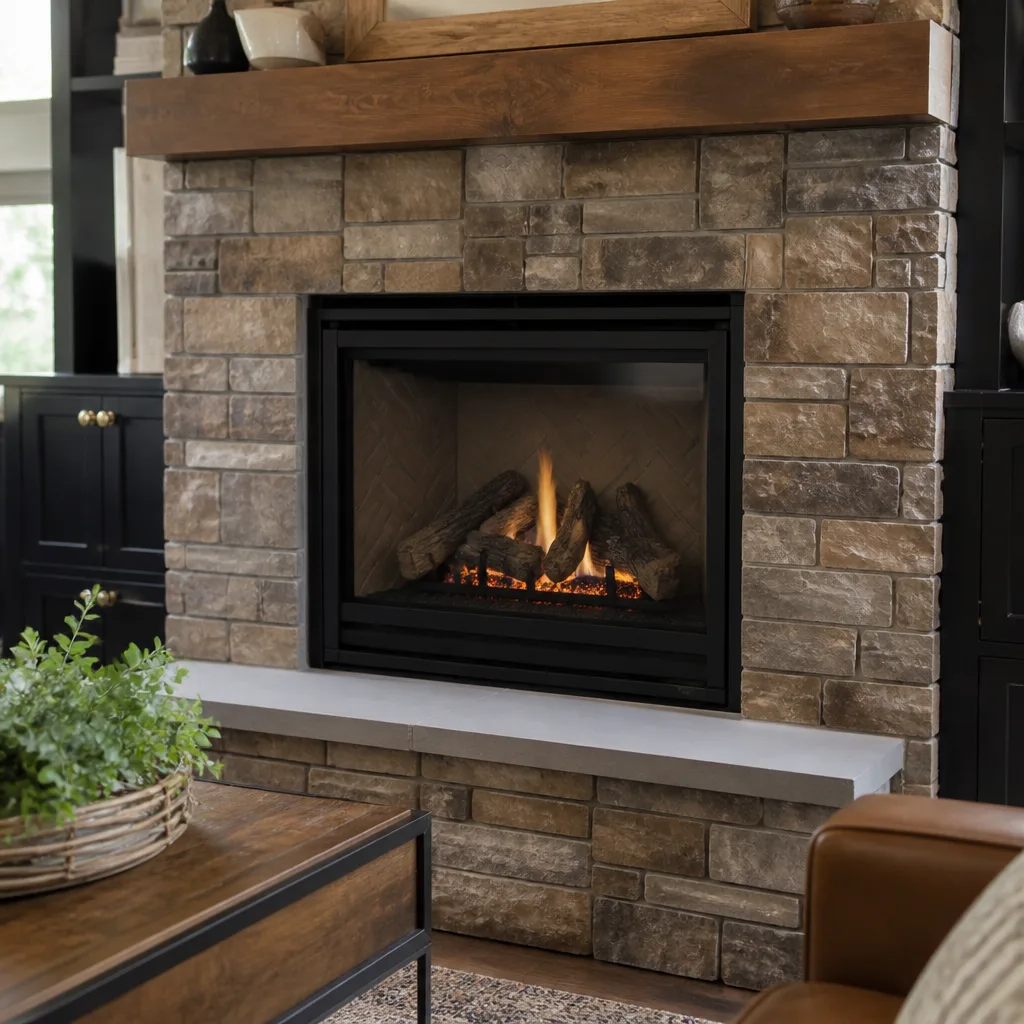 Gas fireplace service
Level 1 sweep and inspection to the NFPA 211 annual standard - flue, crown, cap, and flashing checked and photographed
Chimney sweep logs do not sweep chimneys. They loosen some creosote - which then falls where a brush and vacuum still have to collect it.
The Complete Guide to Chimney Cleaning in Soundview
Most chimney fires we’re called to assess didn’t start because a homeowner skipped sweeping entirely. They started because a cleaning stopped at the flue liner and never reached the smoke shelf, the offset, or the top of the smoke chamber, which is exactly where creosote settles fastest and burns hottest. A brush down the middle of the flue looks like a job done. It often isn’t. Soundview’s housing stock makes this worse: pre-war brick multifamilies, flues that were converted from coal to wood or gas, and shared chimneys where one unit’s draft fights another’s. This guide walks the full cleaning sequence from the roof down to the firebox, explains what each step should reveal, and shows you how to judge whether a sweep was thorough or just visible.
Quick Answer
Chimney cleaning in Soundview is a step-by-step diagnostic process, not a single brush pass: roof-level inspection of the cap and crown, a flue sweep with the right tool for the creosote stage present, a check of the smoke shelf, damper plate and firebox joints, and a written report documenting what was found. A thorough cleaning should include a visual assessment of the full system and a record you can compare against next season. If a sweep never gets off the ladder to look at the crown or never opens the damper to check the shelf, the job is incomplete.
Styles & brands we work with
- Sweep & inspection
- Caps & crowns
- Flue relining
- Masonry repair
- Gas fireplace service
Table of Contents
- Why Soundview’s Housing Stock Changes the Cleaning Job
- Level 1, 2, and 3 Inspections: Which One Applies to You
- What a Technician Should Check Beyond the Flue
- Creosote Stages and Why a Brush Alone Won’t Fix Stage 2
- The Full Cleaning Sequence, Step by Step
- What a Completed Job Report Should Document
- How Often Should a Soundview Chimney Be Cleaned?
- What Chimney Cleaning Costs in Soundview
Why Soundview’s Housing Stock Changes the Cleaning Job
Soundview is dominated by brick multifamilies built before the Second World War, and that construction style creates cleaning conditions you won’t find in newer suburban housing. The chimneys were originally sized for coal, then adapted. Some flues now serve wood-burning fireplaces, some serve gas appliances, and some serve both in the same stack with a shared termination at the roof. When flues share a crown, a cap, or a masonry stack, a problem in one can affect draft in another.
What that means for cleaning:
- Converted flues have tighter clearances. When a coal flue is relined for wood, the new liner may leave little room at the smoke chamber transition, and creosote builds at that pinch point.
- Shared stacks need each flue swept separately. A technician who sweeps one flue and calls the chimney clean has left the others untouched.
- Older brick absorbs moisture differently. Soundview’s freeze-thaw swings in winter work on old mortar joints, and a crown that’s already cracked lets water into the same masonry that holds the flue. Cleaning gives you the chance to spot that before it becomes a rebuild.
- Roof access varies block to block. Some Soundview rooflines are steep and close to neighboring buildings, which is why a proper job starts with a roof-level look at the crown and cap, not just an indoor sweep.
We’ve seen the same pattern in Soundview again and again: a chimney that passed a quick brush-down in October is drafty and smoking by January, because the shelf and chamber were never touched. The building type, not the homeowner, is usually the reason.
Level 1, 2, and 3 Inspections: Which One Applies to You
The chimney industry uses three inspection levels, and knowing which one you’re getting matters more than the price difference between them. A Level 1 inspection is a visual check of readily accessible portions of the chimney with the tools normally used for cleaning. A Level 2 inspection adds access to attics, crawl spaces, and other concealed areas, and typically includes video scanning of the flue interior. A Level 3 inspection is diagnostic and may involve opening walls or removing parts of the chimney to reach a problem that can’t be seen otherwise.
Which one applies to your situation:
- Level 1 when nothing has changed since the last inspection and you’re due for a routine annual cleaning.
- Level 2 when you’ve moved into a new home, changed fuel type, added or replaced an appliance, had a chimney fire, or noticed a performance change like smoking or weak draft.
- Level 3 when a Level 2 turned up something concealed, such as a cracked flue tile behind masonry or a hidden obstruction, and the only way to know is to open it up.
A Level 2 inspection is the most common one we recommend for Soundview homes where the chimney history isn’t documented, because the video scan answers questions a visual look cannot. We offer inspection as a standalone service rather than bundling it into a “free” sweep, because a diagnostic should stand on its own. If the inspection finds nothing, that’s a legitimate result, and you should hear it that way.
What a Technician Should Check Beyond the Flue
A flue brush reaches the inside of the liner. It does not reach the smoke shelf, the damper plate, the firebox joints, or the crown, and those are where many problems actually live. When we sweep a Soundview chimney, the flue is one part of the check, not the whole of it.
- Smoke shelf. The ledge just above the damper catches falling creosote and soot. If it’s blocked, smoke rolls back into the room instead of up the flue. A brush alone doesn’t clear it; it has to be reached and cleaned.
- Damper plate. The damper should open fully, close fully, and sit flush. A warped or stuck plate changes draft and often signals heat exposure.
- Firebox joints. Mortar joints in the firebox take direct heat. Cracked joints let heat and gases reach masonry that isn’t rated for it.
- Crown. The concrete or masonry cap at the top of the chimney sheds water away from the stack. A cracked crown lets water in, and water plus freeze-thaw is what breaks down Soundview’s older brick chimneys over time. Our chimney cap & crown work addresses that directly.
- Cap and spark screen. The cap keeps rain, birds, and debris out of the flue. A missing or damaged cap is a common reason a cleaned chimney starts drafting poorly within a season.
These checks are also where we find the evidence behind any repair recommendation. We tell you what we found, then we give you options, and nothing gets recommended that you can’t see in the inspection photos yourself.
Creosote Stages and Why a Brush Alone Won’t Fix Stage 2
Creosote doesn’t arrive all at once. It builds in stages, and each stage needs a different cleaning approach. A standard flue brush works on one of them.
- Stage 1: soot and light flaky deposits. This is what a routine sweep is for. A brush removes it, and it’s the stage a regular annual cleaning is designed to prevent from progressing.
- Stage 2: hardened, crusty, or tar-like deposits. This is where a brush alone stops working. The deposits cling to the flue wall and need mechanical agitation or chemical treatment to break down. If a technician brushes a stage-2 flue and declares it clean, the deposit is still there, and it’s the kind that burns hot.
- Stage 3: glazed, hardened creosote. This is the most difficult stage, and it usually means the flue needs a professional assessment of whether cleaning is even the right answer or whether relining is the safer route.
Stage matters because it changes both the method and the recommendation. We use professional-grade materials including Famco and Copperfield rotary cleaning tools designed for the harder stages, and where the deposit sits on a damaged liner, restoration with HeatShield can extend the life of the flue without the cost of full replacement. If the liner is too far gone for restoration, a reline with DuraFlex is the alternative. Either way, the decision is based on what the flue looks like on camera, not on a rule of thumb.
The Full Cleaning Sequence, Step by Step
This is the order a thorough cleaning should follow, from the roof down to the firebox. It’s also a useful checklist for judging a job you’ve already had done.
- Roof-level assessment. Look at the crown, cap, spark screen, and visible masonry before anything goes into the flue. Cracks and missing caps get noted here.
- Protect the living space. Drop cloths or a sealed work area around the firebox, so soot doesn’t travel into the room.
- Check the damper and smoke shelf. Confirm the damper opens and closes freely, then clear the shelf before sweeping down into it.
- Assess the creosote stage. A quick look inside the flue determines whether a standard brush or rotary tooling is needed.
- Sweep the flue with the appropriate tool. Standard brush for stage 1, rotary equipment for stage 2, and a professional assessment for stage 3.
- Video-scan where indicated. A Level 2 inspection with a camera confirms the flue is clear and shows the condition of the liner joints.
- Clean the firebox and check joints. Clear debris from the firebox floor and inspect the mortar joints for cracks.
- Document and report. Record everything found, with photos, so next season has a baseline.
That last step is the one most often skipped, and it’s the one that makes the next cleaning faster and more useful. It’s also the reason we treat chimney repair as part of the same system rather than a separate call: what a sweep reveals is often what a repair needs to address.
What a Completed Job Report Should Document
A job report is the difference between a cleaning and a record. Without a baseline, every subsequent technician is guessing at whether a deposit is new or has been there for a while. A report worth keeping should document:
- Date and inspection level performed. Level 1, 2, or 3, so the next technician knows what was actually checked.
- Creosote stage observed and location. Where the deposit was found, whether in the flue, at the smoke shelf, or elsewhere, and what stage it was.
- Flue condition. Liner material, any visible cracks or gaps, and whether a video scan was done.
- Crown, cap, and masonry condition. Any cracks, missing caps, or spalling noted.
- Damper and firebox status. Whether the damper operates correctly and whether firebox joints are intact.
- Photos. The evidence behind every finding, so a recommendation never depends on trust alone.
Keep the report with your home records. When you sell a Soundview property, or when you change insurance carriers, a documented chimney history answers questions that would otherwise be a guess.
How Often Should a Soundview Chimney Be Cleaned?
Most wood-burning chimneys should be swept once a year, and gas appliances checked annually as well. That’s a general rule, not a guarantee, because use and fuel change the answer. A Soundview fireplace used heavily through the winter builds creosote faster than one lit a few times a season. A chimney that serves a converted flue in a multifamily with shared draft may need closer attention than the calendar suggests.
Signs you shouldn’t wait for the annual date:
- Smoke rolling back into the room when the fire is lit.
- A strong, sour smell from the fireplace, especially in warmer months.
- Visible soot or creosote at the firebox opening.
- Any chimney fire, even a small one you put out yourself.
- A change in fuel type, a new appliance, or a home purchase with no chimney records.
If any of those apply, book an inspection rather than a sweep. The inspection tells you what you’re dealing with before anyone starts cleaning. Our chimney sweep service covers the cleaning itself, and we recommend the inspection level that fits what you’ve described.
What Chimney Cleaning Costs in Soundview
Chimney cleaning in Soundview is priced per job, and the written estimate sets the final price. A standard sweep costs less than a sweep plus a video inspection, and a flue that turns out to be stage 2 or stage 3 costs more because it needs different tooling. None of it is done without a written estimate first, and the estimate itself is free.
What drives the price up or down:
- Access. A straightforward roof line is quicker than a steep or obstructed one.
- Number of flues. A multifamily with a shared stack may have two or more flues to sweep.
- Creosote stage. Stage 1 is the routine case; stage 2 needs rotary tooling.
- Inspection level. A Level 2 with video scanning is a different job from a visual Level 1.
- Repairs found along the way. A cracked crown or damaged cap is quoted separately, after you’ve seen the photos.
We don’t quote a cleaning before we’ve seen the flue, because the honest number depends on what’s in it. For the full system, from the firebox to the crown, one company should be able to handle every part of it. That’s the reason we cover five service lines: sweep, inspection, cap and crown, chimney repair, and fireplace repair. No handoff to a second contractor, no finger-pointing when something found during a sweep turns into a repair.
Common Mistakes to Avoid
- Treating a “free inspection” as a diagnostic. An inspection tied to a sales pitch isn’t a diagnostic. Pay for the inspection on its own and judge the findings on the evidence.
- Assuming a brush pass cleaned the whole chimney. The smoke shelf sits above the damper and rarely gets touched by a standard sweep. If it’s ignored, smoke problems return within the season.
- Skipping the roof-level look. A cracked crown or missing cap won’t show up from inside the firebox. Soundview’s freeze-thaw winters make crown damage a real problem, and it’s cheaper to catch before water gets in.
- Brushing a stage-2 flue and calling it clean. Hardened or tar-like creosote needs rotary tooling. A brush that skips over it leaves the deposit in place.
- Not keeping the job report. Without a written record, next season’s technician has no baseline and every finding is a guess.
- Waiting for smoke to be obvious. Smoke rolling into the room means draft is already compromised. Book the inspection before the next fire.
- Letting a handyman source a liner or cap. The materials matter. We work with the same brands chimney engineers specify, including Olympia Chimney and DuraFlex, not what’s on the shelf at the hardware store.
See the difference
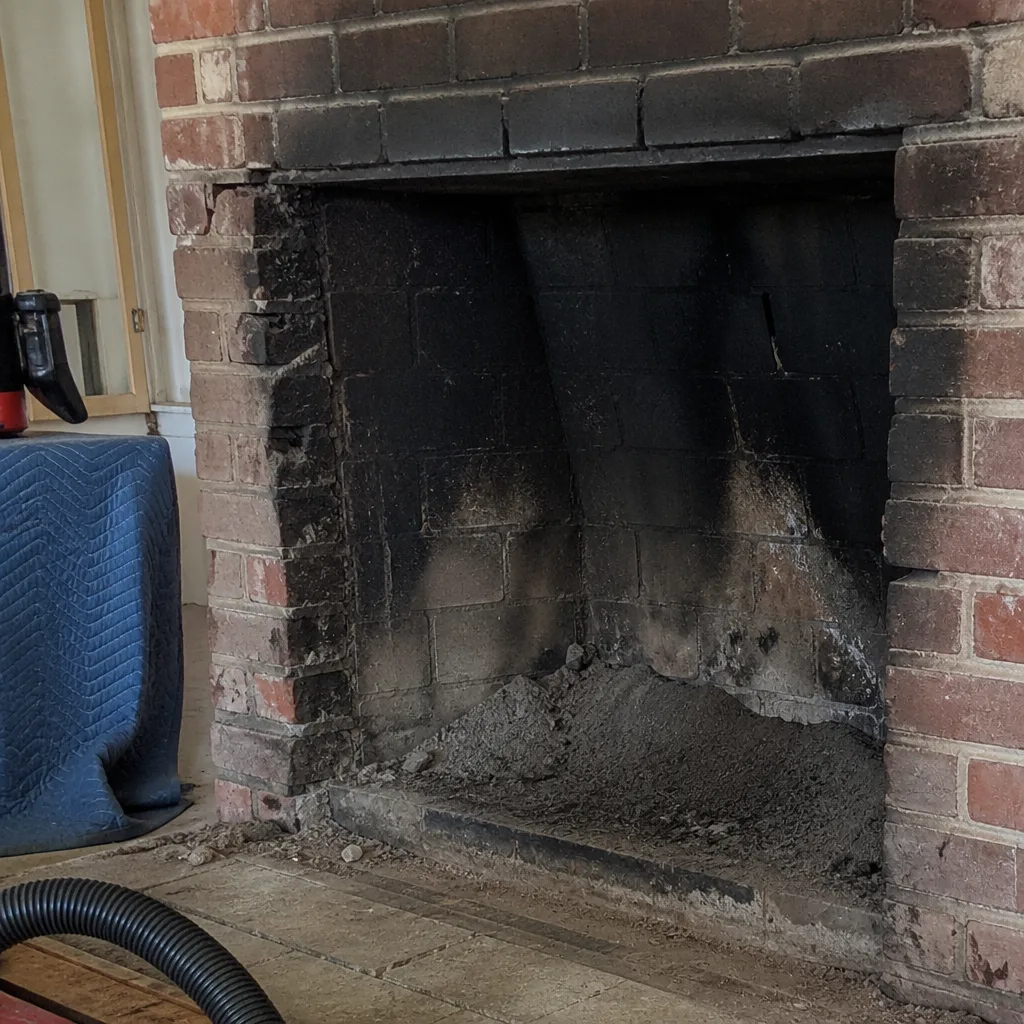 Before
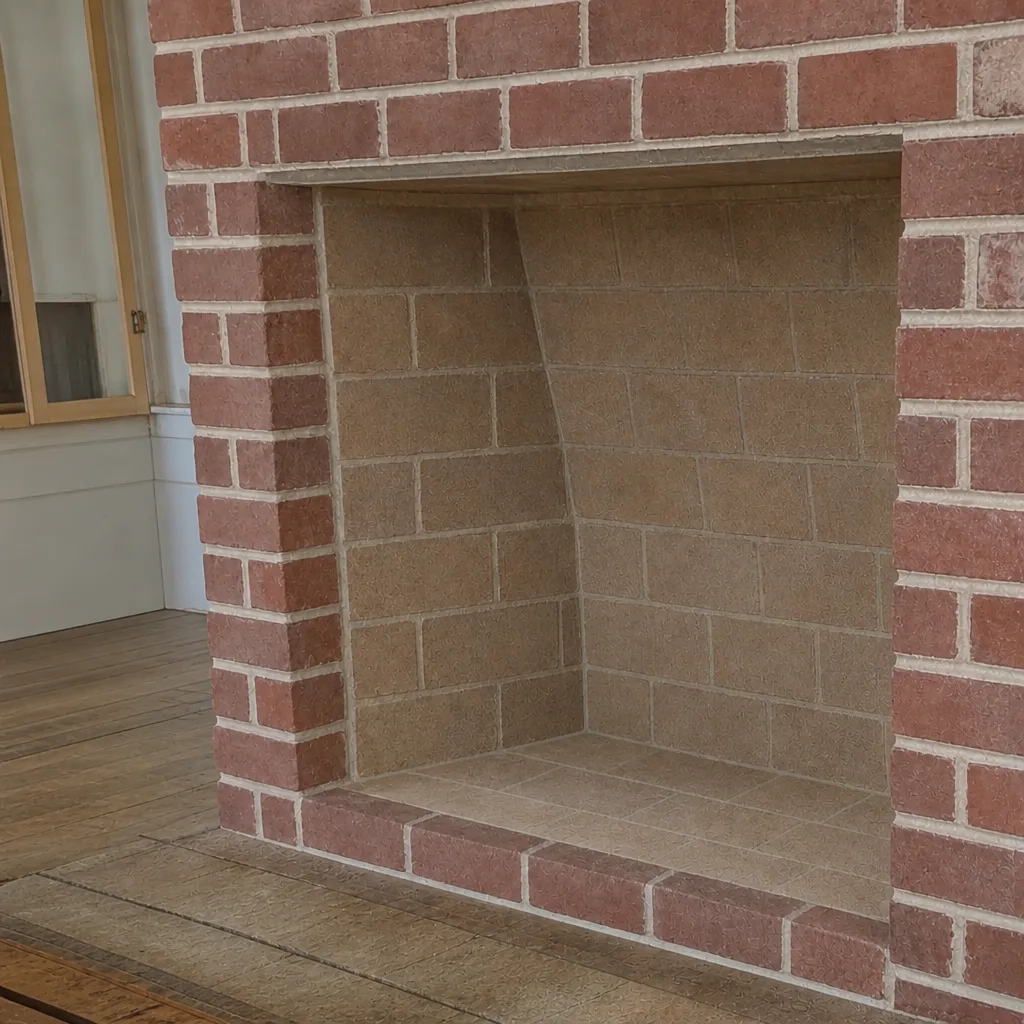 After
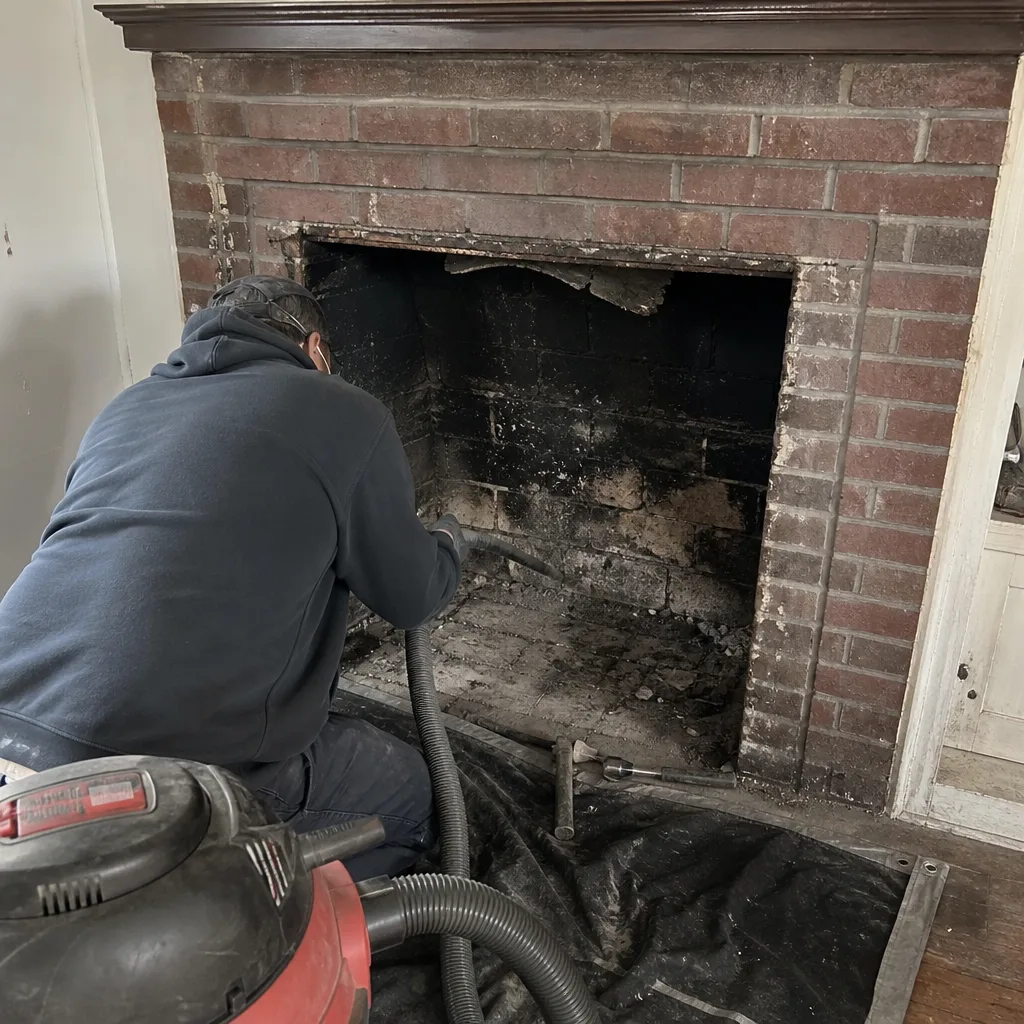 Before
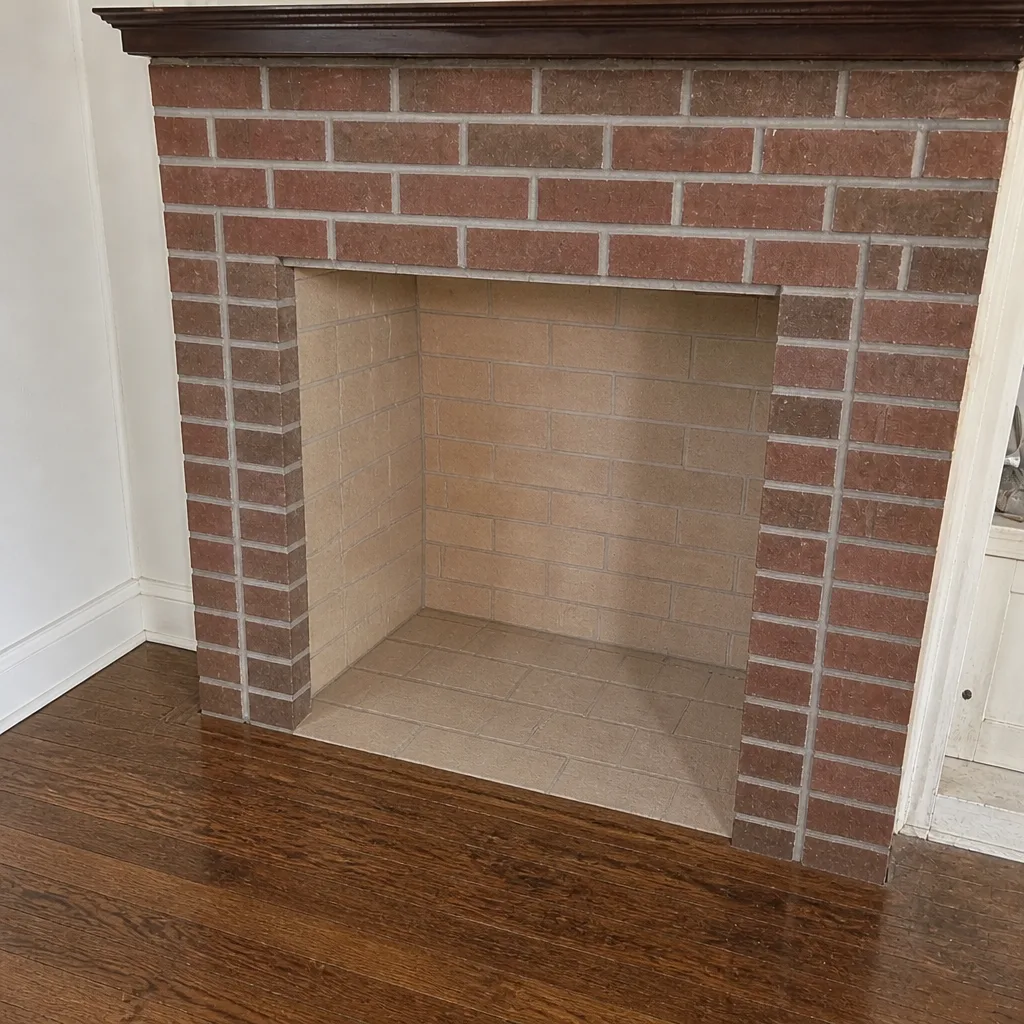 After
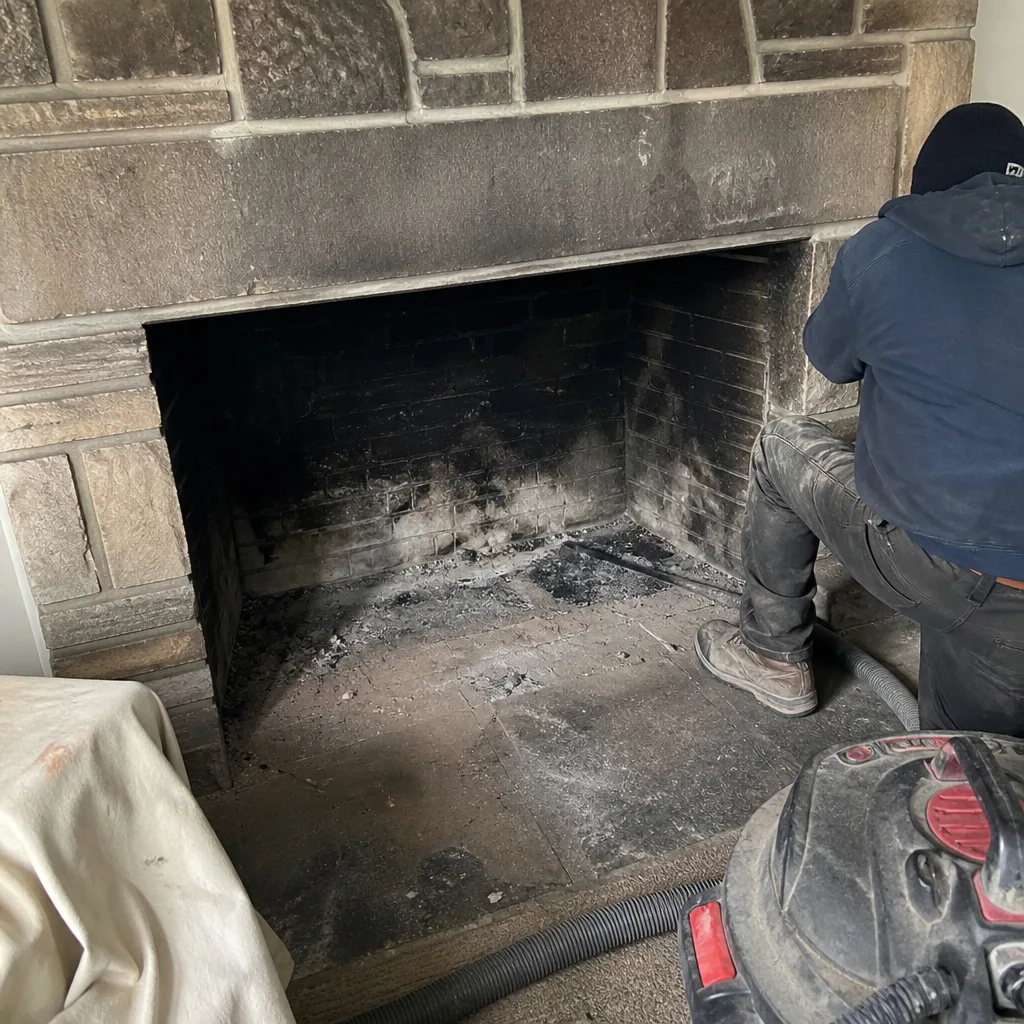 Before
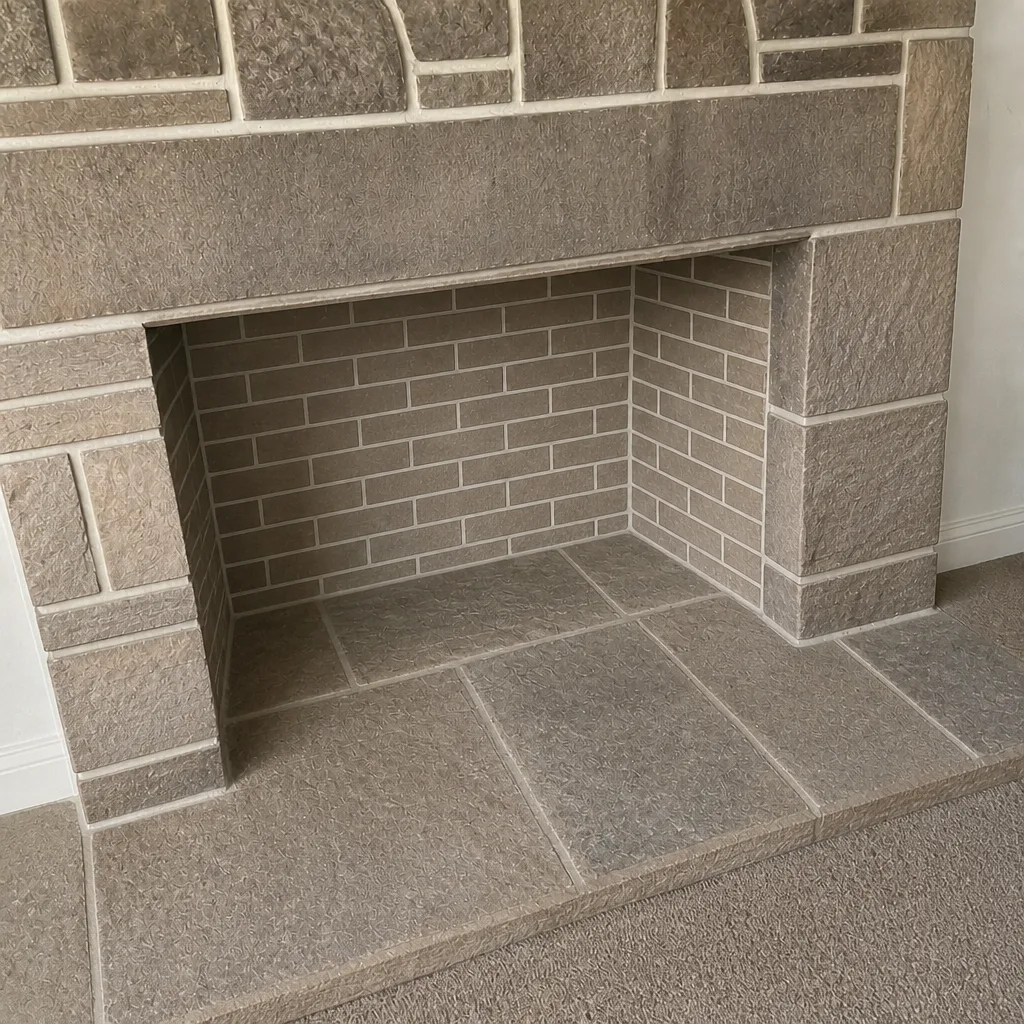 After
When to Call a Professional
Call a professional if you’ve had a chimney fire of any size, if smoke enters the room when you light a fire, if you smell a strong creosote odor in warm weather, or if you’ve just bought a Soundview home and have no chimney records. Call if your chimney has never been inspected since the flue was converted, if the cap is missing or damaged, or if you can see cracked mortar in the firebox. Call if you’re not certain which inspection level you need. Chimney Sweep Soundview offers free estimates in Soundview. Call (866) 947-9290. We answer 24/7. Fast dispatch from 7am to 7pm, Sunday through Friday. High-tension work and structural masonry are not DIY territory, and a trained professional should assess anything that involves the flue or the crown.
Frequently Asked Questions
Chimney cleaning in Soundview is priced per job, with a free written estimate setting the final number. The exact price depends on how many flues you have, how easy roof access is, the creosote stage present, and whether a video inspection is included. Call (866) 947-9290 for an exact quote. Estimates are free.
Not always. A cracked or deteriorated flue can often be restored with HeatShield rather than fully relined, which saves the cost of a tear-out. The decision should follow a video inspection where you can see the condition of the liner yourself. Call (866) 947-9290 for an exact quote. Estimates are free.
Once a year is the general rule for a wood-burning chimney, and gas appliances should be checked annually too. Soundview’s older converted flues and shared stacks sometimes need closer attention. If you’ve had a chimney fire, changed fuel type, or bought a home with no records, book an inspection rather than waiting for the annual date. Call (866) 947-9290 for an exact quote. Estimates are free.
Creosote builds in stages, and the later stages burn hotter and are harder to remove. Skipping a sweep doesn’t immediately cause a fire, but it lets deposits harden into the stage a standard brush can’t clear. It also means crown cracks and cap damage go unnoticed through Soundview’s freeze-thaw winters. Call (866) 947-9290 for an exact quote. Estimates are free.
A Level 1 inspection fits a routine annual cleaning with no changes. A Level 2 fits a new home, a fuel change, a chimney fire, or any performance change, and includes video scanning. A Level 3 is only needed when a Level 2 finds something concealed that requires opening the structure. Call (866) 947-9290 for an exact quote. Estimates are free.
Cleaning and inspection happen on the same visit, and a repair found during that visit is quoted separately after you’ve seen the photos. We handle the full system, from the firebox to the crown, so there’s no handoff to another contractor. Call (866) 947-9290 for an exact quote. Estimates are free.
The Bottom Line
Chimney cleaning in Soundview is a sequence, not a brush pass. The flue gets swept, but so does the smoke shelf, and the damper, firebox joints, crown, and cap all get checked while the technician is there. The creosote stage determines the tooling, and the job report documents what was found so next season has a baseline. If a sweep never gets off the ladder to look at the crown, the job is incomplete. Start with the right Chimney Sweep Soundview service for your situation, and treat the whole chimney as one connected system, because that’s how it behaves.
Written by the team at Chimney Sweep Soundview.