
Last updated November 25, 2026
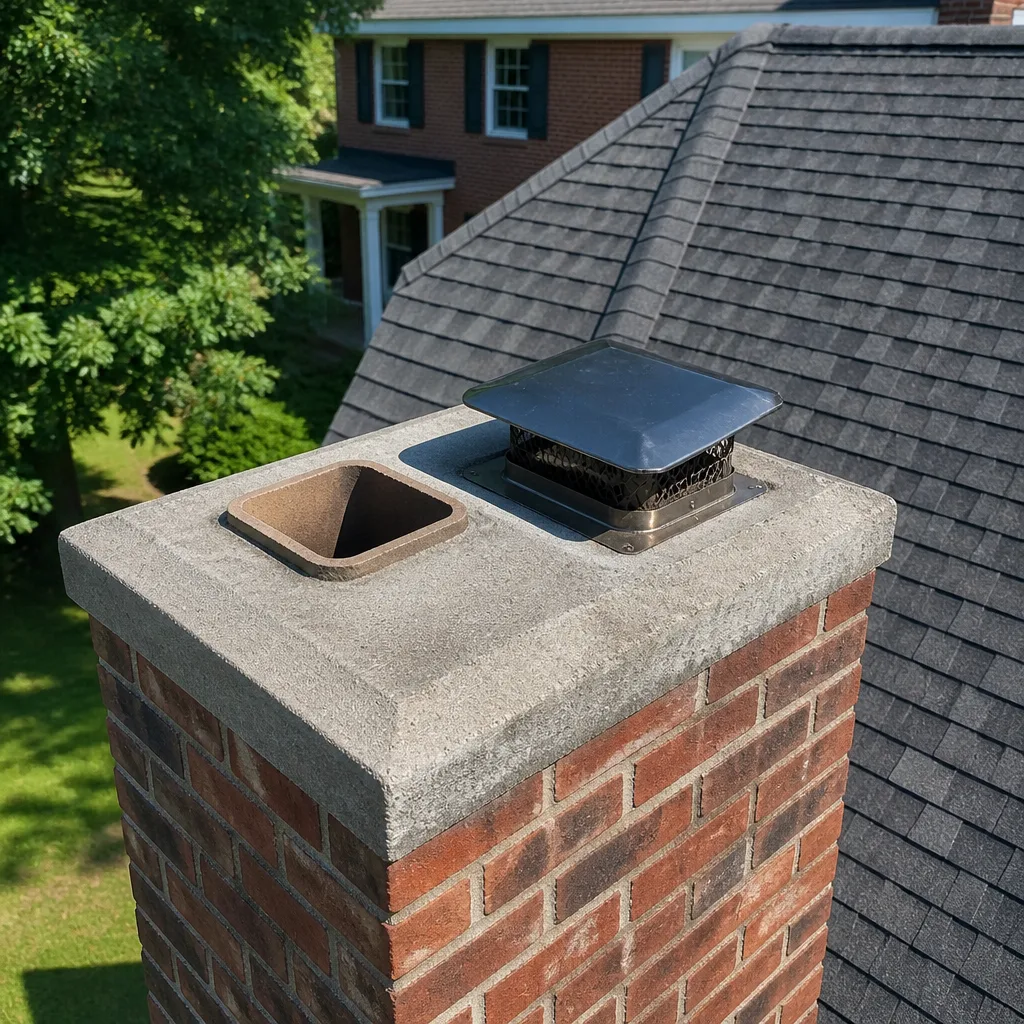 Sweep & inspection
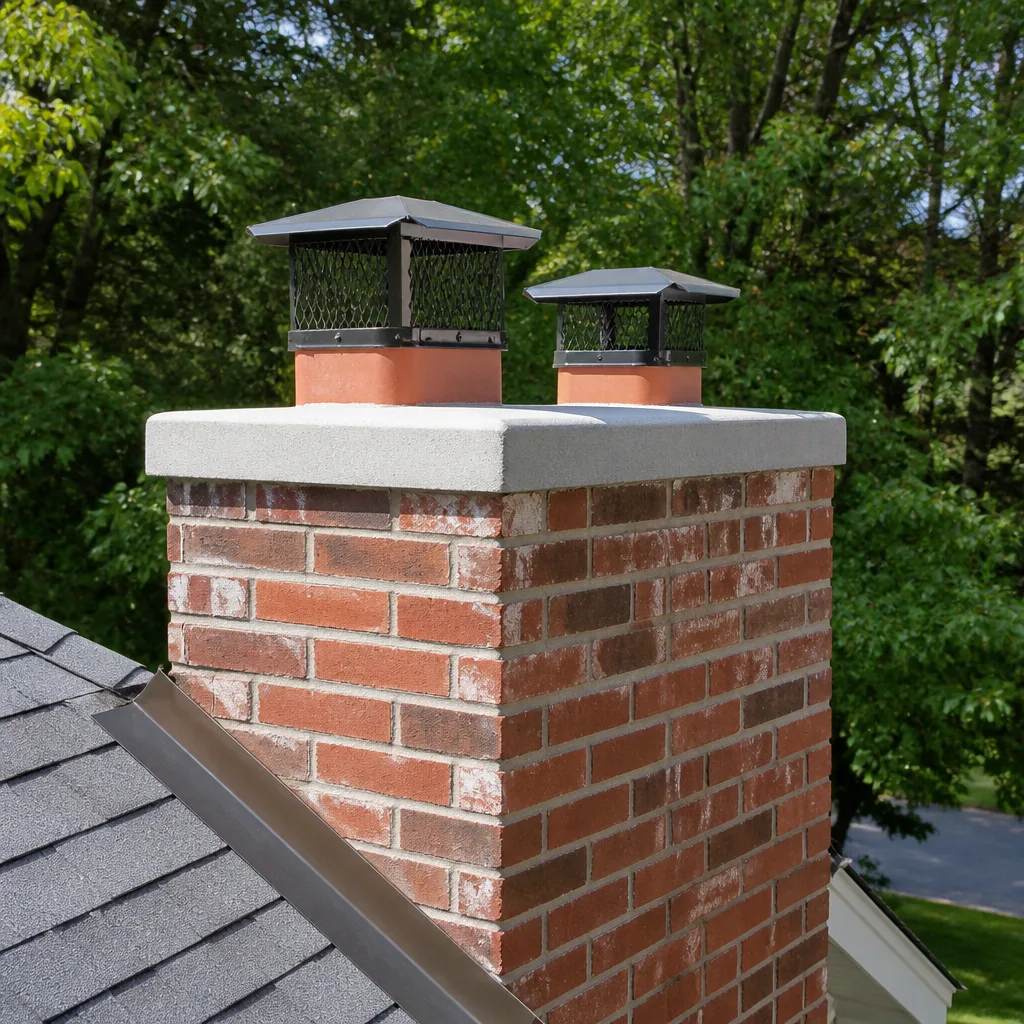 Caps & crowns
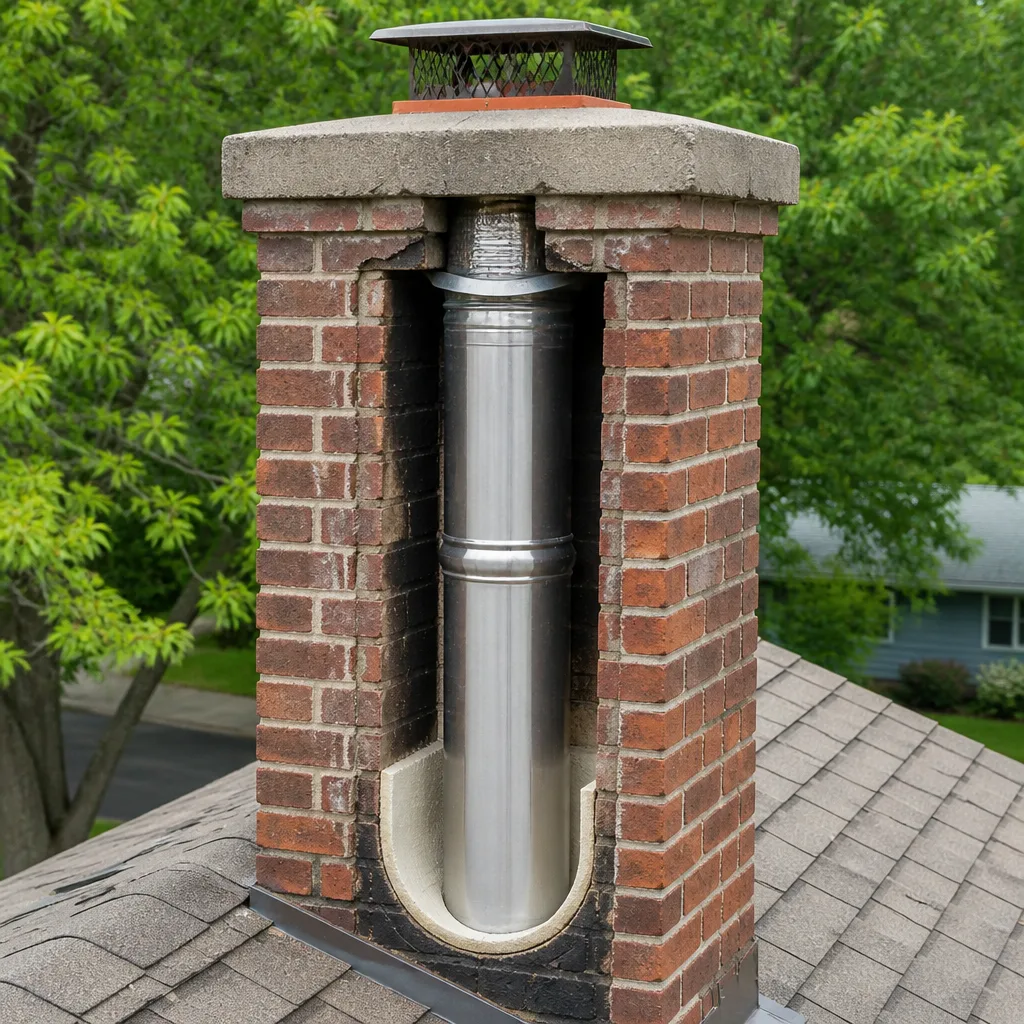 Flue relining
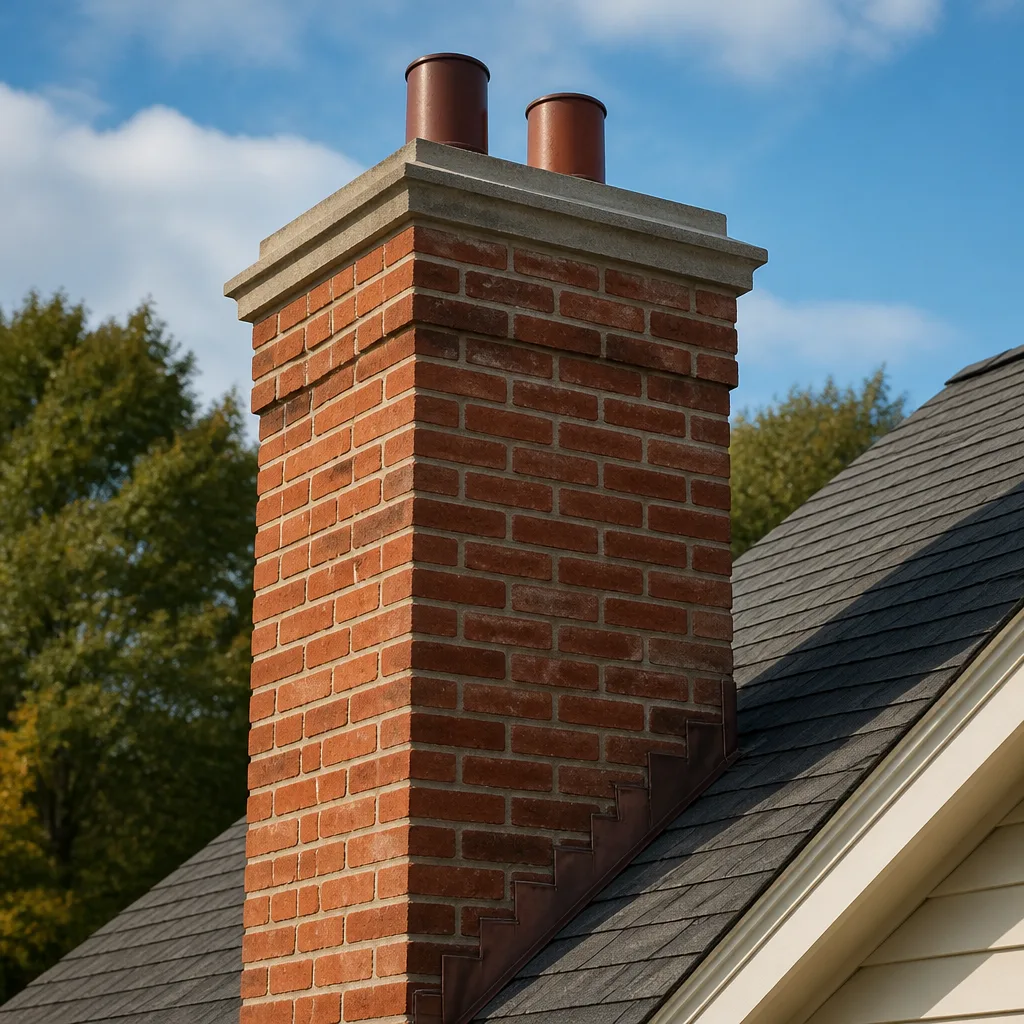 Masonry repair
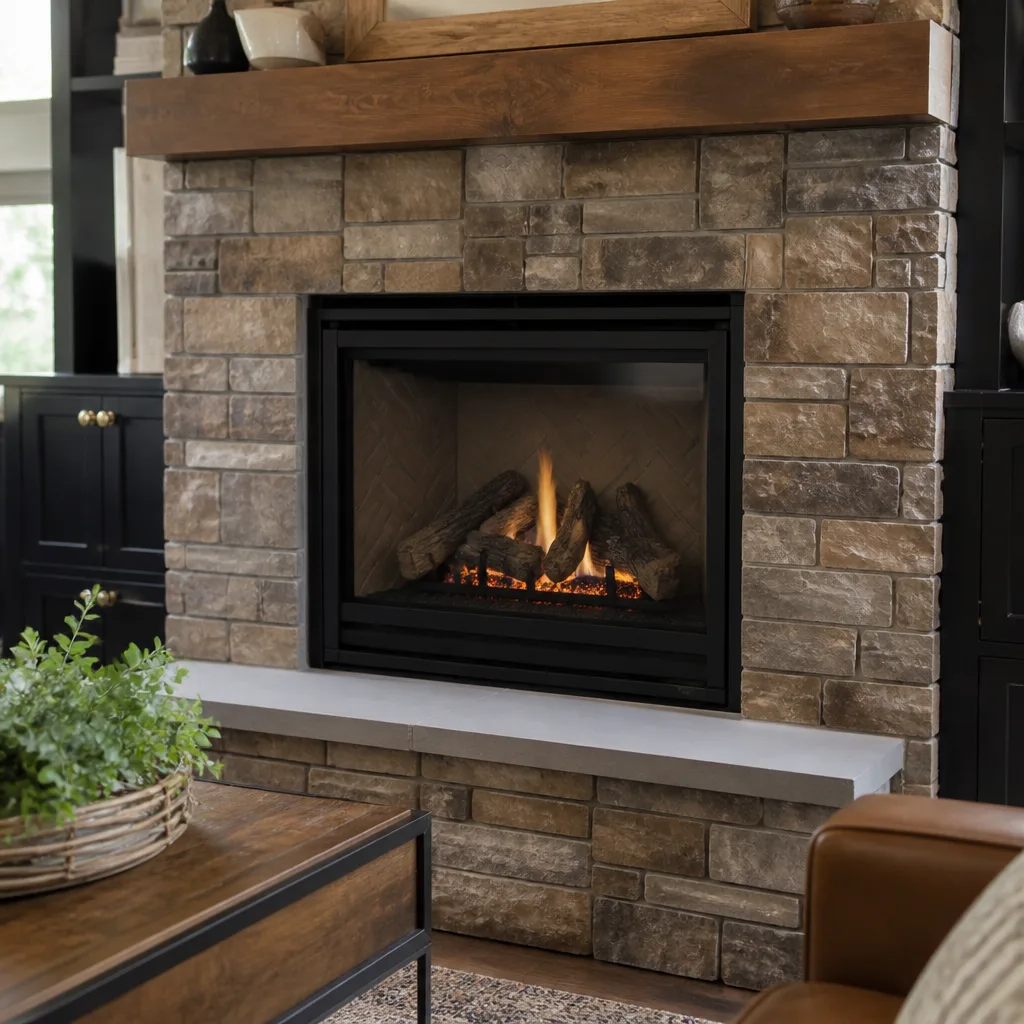 Gas fireplace service
Level 1 sweep and inspection to the NFPA 211 annual standard - flue, crown, cap, and flashing checked and photographed
Chimney sweep logs do not sweep chimneys. They loosen some creosote - which then falls where a brush and vacuum still have to collect it.
Chimney Sweep Maintenance Checklist for Soundview Homeowners
Scheduling a sweep every October is a habit, not a maintenance plan. A homeowner who doesn’t know what to look for between visits is flying blind for eleven months of the year, and by the time a problem announces itself it usually isn’t small anymore. Your chimney is a system, and systems drift. What we want for Soundview homeowners is a condition-based checklist you can actually work through: specific things to look at, smell for, and write down, so that when a technician does arrive he or she is reading a pattern rather than guessing at history. This guide covers what you can safely check yourself, what genuinely needs a professional, and how to log it all so the record means something.
Styles & brands we work with
- Sweep & inspection
- Caps & crowns
- Flue relining
- Masonry repair
- Gas fireplace service
Quick Answer
A working chimney maintenance checklist has two halves. The professional half is an annual sweep and inspection, done by a technician who can actually get on the roof and run a camera down the flue. The homeowner half is small and repeatable: look at the firebox masonry and damper every few weeks during the burn season, smell the chimney on still days, glance at the exterior brickwork from the ground each season, and write down what you find after each fire season. Do both halves and you’ll catch most problems while they’re cheap to fix. Skip the homeowner half and you’re relying on a single annual visit to catch twelve months of change.
Table of Contents
- How a chimney actually works, and why maintenance is a system job
- The firebox checklist: five things to check without leaving the room
- Smell and draft signals that something is developing
- What Bronx-area brick construction does through freeze-thaw cycles
- What to log after each fire season
- Homeowner territory vs. professional territory
- How often a Soundview chimney needs sweeping
- Common mistakes to avoid
- When to call a professional
- Frequently asked questions
How a chimney actually works, and why maintenance is a system job
A chimney is not a tube that carries smoke away. It’s a pressure system, a drainage system, and a structural stack all in one, and trouble in any one of those three parts shows up in the other two. The firebox is the intake. The smoke chamber is the transition. The flue is the exhaust. The crown is the roof. The cap is the door. Every one of those parts affects how the rest behaves, which is why we treat cleaning, inspection, and repair as connected work rather than three separate transactions.
When a fire burns, the heat in the flue creates a pressure difference between the inside of the chimney and the room. That pressure difference pulls combustion gases up and out. If the flue is the wrong size for the firebox, or if it’s partially blocked, or if the crown is letting water into the masonry, the pressure balance changes and the chimney starts behaving in ways the homeowner notices before a technician does. Smoke rolling into the room when you light a fire. A fireplace that used to draft well and doesn’t. A faint smell in the room on humid days. None of those are “just what chimneys do.” Each is a signal.
Fireplaces are also one of the few parts of a house where the visible surface is not the working surface. What you see in the firebox is the firebrick and mortar joint; what matters underneath is the smoke chamber above it, which narrows over the damper and is one of the least inspected areas in a typical Soundview home. This is why an annual chimney sweep is only as good as the inspection that goes with it. A brush and vacuum clear the flue. The camera and the eye catch the rest.
Homeowners in Soundview deal with a particular combination of conditions: wood-burning fireplaces in pre-war brick row houses and detached homes, gas fireplaces installed in more recent renovations, and a heating season that runs long enough to put real hours on the system every year. The checklist below is written for that mix.
The firebox checklist: five things to check without leaving the room
You don’t need a ladder for this part. All five checks are visible from the firebox opening, and all five take less time than making coffee. Do them once a month during the burn season, and once more at the end of the season when everything has dried out.
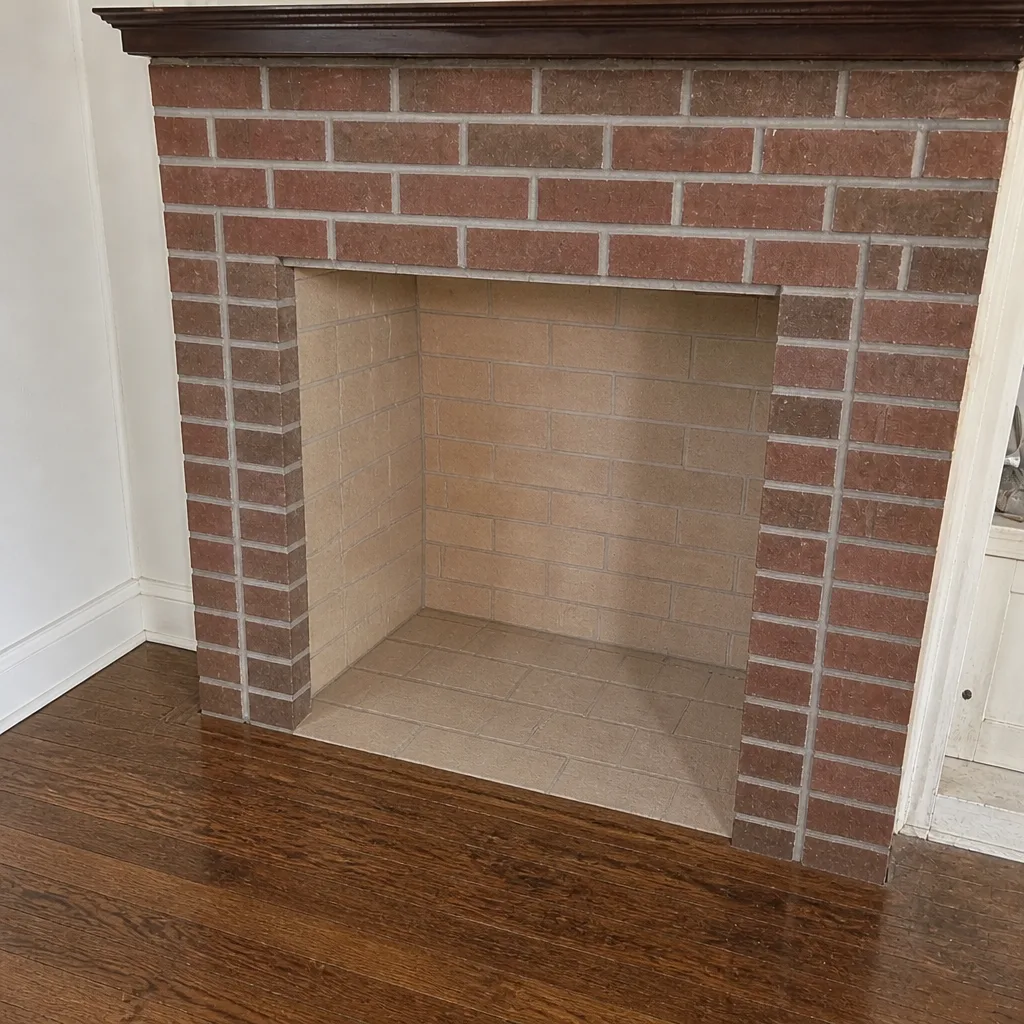
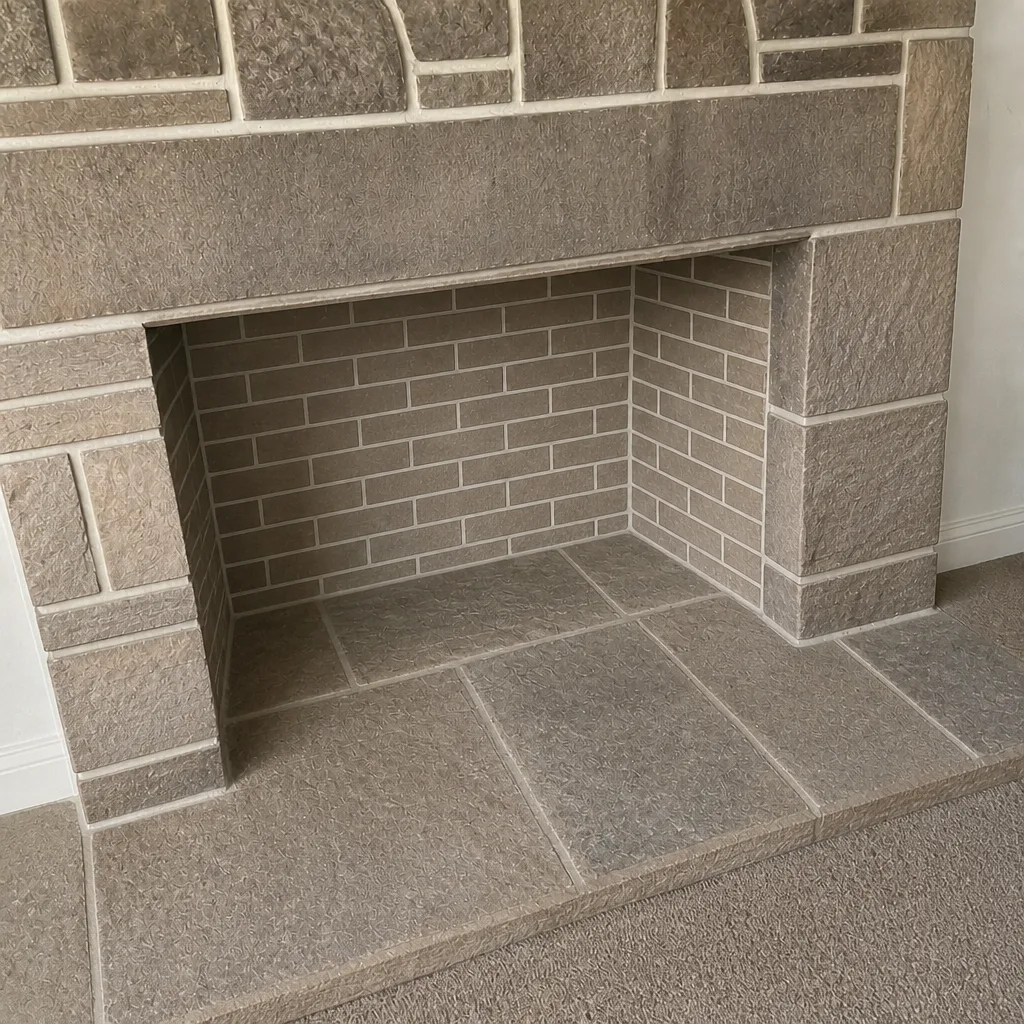
- Firebrick condition. Look at the brick lining the floor and walls of the firebox. You’re checking for hairline cracks that have widened, brick faces that have spalled (flaked off), and joints where the mortar has receded by more than a quarter inch. Hairlines are normal. Wide, deep, or stair-stepping cracks are not.
- Mortar joints. Run a finger along the joints between firebricks. Good mortar is hard and slightly sandy. Mortar that crumbles or brushes away is failing, and failing mortar lets heat reach the brick behind it, which is what eventually causes structural cracking.
- Damper movement. Open and close the damper fully. It should move without grinding, sticking, or wobbling. A damper that no longer seats flat is letting room air up the flue year-round, and in cold months that means heat leaving the house and condensation forming on the flue walls.
- Efflorescence on the firebox or smoke shelf. Efflorescence is the white, chalky deposit left behind when water moves through masonry and evaporates. It’s a sign of moisture getting in, and where it appears tells you roughly where the water is entering. On the firebox walls it often points to a crown or flashing issue above; near the damper it points to the smoke chamber.
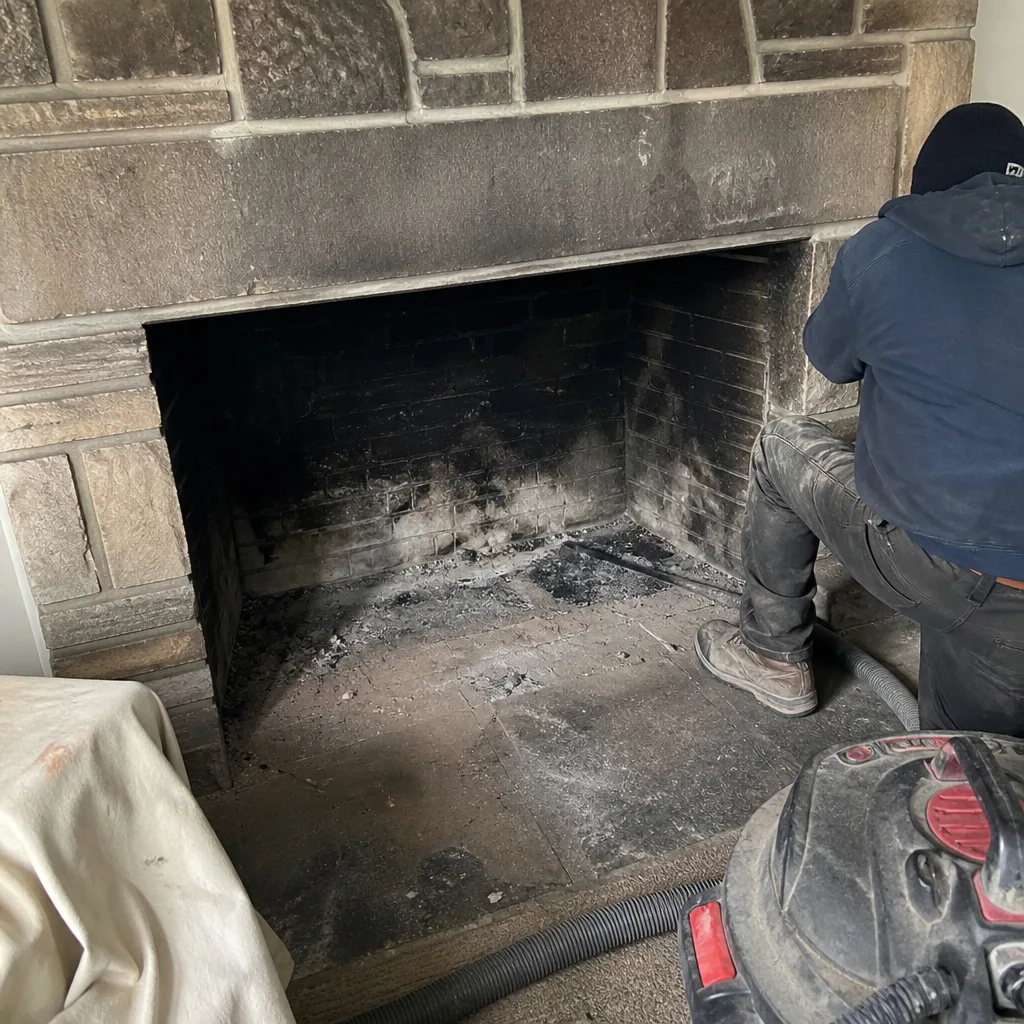
- Ash and soot pattern. After a fire, look at how soot has settled. Even, light coating is normal. Heavy black soot concentrated in one area, or shiny, tar-like creosote glaze on the firebox walls, tells you combustion is running cool or the flue is restricted. Glazed creosote is the one you call about.
None of these checks require you to touch anything above the damper, and none require you to reach over the top of the firebox. If a check reveals something that worries you, stop there and call us. Firebox work is not homeowner territory.
Smell and draft signals that something is developing
Chimney problems have a smell before they have a symptom. The trick is knowing which smell means what, because a few of them are completely normal and a few aren’t.
- A campfire smell on humid, still days. Normal, usually. When the air is heavy and the pressure is low, the chimney doesn’t pull as well and a little residual smoke smell drifts back into the room. If it happens every time the weather changes, though, it’s worth a look.
- A sharp, acrid, chemical smell. This is usually creosote, and it’s more common when a chimney has been burning green or unseasoned wood. Acrid smell plus glazed creosote on the firebox walls means the flue needs attention now, not at the end of the season.
- A musty, damp, basement-like smell. This is water. It usually points to the crown, the flashing, or the cap. Left alone it accelerates masonry damage and, in the flue, causes the liner to deteriorate faster than it otherwise would.
- A draft that reverses when you light a fire. Smoke spills into the room instead of going up the flue. Common causes include a flue that’s too cold, a flue that’s too large for the firebox opening, or a partially blocked flue. If it happens consistently, it’s a diagnosis problem, not a lighting technique problem.
- A draft that pulls too hard. Fires that burn fast and hot, excessive wood consumption, and a roaring sound from the fireplace can mean the flue is oversized or that a damper is stuck open. This matters because an over-drafting chimney tends to run hotter than it was designed to.
One related note: carbon monoxide detectors are a legal requirement in most New York residential settings, and they belong on every floor with a fuel-burning appliance, near sleeping areas, and anywhere the manufacturer’s instructions say. A chimney in good working order carries combustion gases up and out; a chimney with a blocked flue or a broken liner can leak into the house well before the smell gives it away. If a CO detector ever alarms, leave the building and call the fire department before you call anyone else, including us.
What Bronx-area brick construction does through freeze-thaw cycles
Bronx brick is tough brick, but it works against itself through a New York winter. The pattern is simple and relentless: water gets into the masonry, the temperature drops below freezing, the water expands, and the brick or mortar gives just a little. Then it thaws, more water gets in, and the cycle repeats. Over a few seasons the “little” becomes visible from the ground.
Here’s what to look for on the exterior, checked twice a year, once in spring after the last freeze and once in late fall before the first one:
- Spalling brick. Brick faces that have popped off, leaving a rough pitted surface over the brick body. Once spalling starts on a chimney stack it rarely stops on its own. Water is already inside.
- Failing mortar joints. Mortar that has receded into the joint, is crumbling when you press it with a screwdriver, or is missing altogether. The horizontal joints (bed joints) tend to go first on a chimney.
- White efflorescence on the stack above the roofline. Same deposit you’d see in the firebox, but out here it’s pointing to crown, flashing, or cap issues on the chimney itself.
- Dark staining or green growth. Dark staining on brick faces suggests chronic moisture. Green growth on masonry is rare in New York, but algae and moss on shaded north-facing stacks are real, and both need water to live.
- Crown cracks. The crown is the slab at the top of the chimney, angled to shed water away from the flue. Look for cracks, a crown that’s pulling away from the flue, or a crown that’s gone from angled to flat. A flat or broken crown is a direct pipe for water into the masonry.
- Cap condition. The spark arrestor screen and the cap plate should be intact and level. Rusted, tilted, or missing caps mean water and, in some cases, wildlife are getting into the flue.
This is where a chimney cap & crown repair does more for the long-term health of a Soundview chimney than almost anything else. A sound crown sheds water; a failed one lets it in. Cap and crown work is also where we see the most savings available, because fixing the source of water damage is far cheaper than fixing the masonry it damaged two winters later.
One thing New York masonry does reasonably well compared to harsher climates: because the freeze-thaw cycle is intermittent rather than constant, small repointing work can usually be scheduled in the shoulder seasons and doesn’t have to be done in a panic. If your exterior checks turn up a joint that’s starting to recede, that’s a call-this-season item, not a today item. If you’re seeing spalling across whole courses of brick, that’s this-month.
What to log after each fire season
This is the part almost nobody does, and it’s the part that turns a checklist into a trend line. “My chimney smokes sometimes” tells a technician very little. A written record tells them a lot.
You don’t need anything fancy. A note in your phone, a page in a notebook, or a note on the calendar works. What matters is that you log the same handful of things the same way each time.
- Date, and roughly how much you burned. Not a precise count; “about a cord,” “a few dozen fires,” “one fireplace full a week through the season.” Consistency matters more than accuracy.
- What you smelled, and when. Note the type of smell, the weather condition when you noticed it (still, windy, humid, cold), and whether it was stronger or weaker than the season before.
- How the fire behaved. Lit easily or not, drafted well or smoked, burned fast or slow, ash left behind (light and powdery or heavy and dark).
- Firebox observations. Brick condition, mortar condition, damper movement, and anything you saw that looked different.
- Exterior observations. Photos from the ground, taken from the same spot each time, are the single most useful record you can keep. A crack that’s grown across a year is obvious in side-by-side photos and almost invisible in person.
- Work done. Note any sweep, inspection, cap work, or repair you had during the season, and who did it.
- CO detector events. Note false alarms and anything that made you pause.
When our technician arrives for the annual inspection, that log lets them look at the pattern, not just the surface. In our experience the second-year log is where the real information shows up, because you finally have a baseline to compare against. Write the entries in the off-season, before you forget.
Homeowner territory vs. professional territory
Part of why homeowner checklists backfire is that they don’t say where they stop. Here’s where we draw the line.
Homeowner territory:
- Visual inspection of the firebox interior, firebrick, mortar joints, and damper.
- Visual inspection of the exterior masonry, crown, and cap from the ground.
- Smelling the chimney on still days and noting what you smell.
- Observing draft and fire behavior.
- Cleaning out ash and keeping the firebox free of debris.
- Maintaining and testing CO detectors.
- Keeping the log.
- Burning seasoned, dry wood and keeping the fire moderate.
Professional territory (do not do these yourself):
- Going on the roof for any reason.
- Reaching over the damper to check the smoke chamber.
- Sweeping the flue.
- Inspecting the flue liner.
- Repointing, rebuilding, or repairing masonry, crowns, or caps.
- Any repair to a gas fireplace or its components.
- Any tampering with a damper or liner system that was installed for safety reasons.
The “going on the roof” line is not caution for caution’s sake. Roofs are steep, edges are invisible from where a person usually stands, and falls are one of the leading causes of serious home injury in the U.S. It’s not worth it to save a service call. And gas fireplaces are their own thing: even a simple valve or pilot assembly adjustment involves an open gas line, and gas work needs a licensed technician.
The best way to use the checklist is to do the homeowner half, write down what you saw, and bring it to the annual professional visit. That gives the technician a starting point and gives you something to hold both of you accountable for.
How often a Soundview chimney needs sweeping
One sweep a year is the standard answer for a chimney used regularly through a heating season, and that’s a fair working rule for most Soundview households with a working wood-burning fireplace. The more accurate answer is that frequency is set by how much creosote builds up, not by the calendar, and creosote build-up depends on a few things: how often you burn, how dry the wood is, how well the firebox drafts, and how hot the fires tend to run.
A few practical signposts:
- Approximately one cord of wood a season. Annual sweep is fine, and inspection at the same time.
- Two or more cords. Consider a mid-season check in addition to the annual.
- Occasional use (a few fires a month during the cold months). An annual inspection is still worth doing, even if the flue may not need a full sweep every year. This is exactly why we offer chimney repair and inspection as separate services. An inspection that finds nothing wrong is a useful answer.
- Gas fireplace. Less soot, but the flue still needs periodic inspection for debris, blockages, and liner condition, and the appliance itself should be checked by a gas technician.
- After any chimney fire. Sweep and inspection, full stop. No exceptions.
- After moving into a new home. Unless you have paperwork showing a recent professional sweep and inspection, assume it hasn’t been done.
The industry rule of thumb for creosote thickness is a quarter inch: at or above that, sweep. Since you can’t see most of the flue from the firebox, that measurement belongs to a technician. Your job is setting the appointment; theirs is telling you what they found.
Common Mistakes to Avoid
These are the ones we see most often in Soundview, and each one costs a homeowner more than skipping the mistake would have.
- Treating the annual sweep as the whole plan. A sweep cleans the flue. It doesn’t watch the firebox for eleven months. The homeowner half of the checklist fills a gap that the professional visit structurally cannot close.
- Burning wood that isn’t seasoned. “Seasoned” means split, stacked, and dried for months, not just “not green.” Wet wood burns cool, produces more creosote, and is the single biggest driver of glazed creosote we find on Bronx-area flues. If you can’t split a piece with your hands, it’s not ready.
- Ignoring a small smell because “it goes away.” Smells come and go with weather. Structural water damage doesn’t. A musty smell that shows up every humid day is the chimney telling you the crown or flashing has an issue, and that issue does not resolve itself.
- Painting over failing masonry. Brick that’s spalling doesn’t stop spalling because it’s been painted. Paint traps water inside the brick and accelerates deterioration. Repointing and repair, done properly, is the fix; paint isn’t.
- Letting a storm cap go without a screen. An open flue is an invitation to birds, squirrels, and rain. A cap with an intact spark arrestor screen closes off all three.
- Doing “just a little” of the pro-only work. Reaching over the damper to check the smoke chamber, brushing a chunk of the flue yourself, or tightening a gas fitting on a fireplace valve. Each of those is on the professional list for a reason.
- Skipping the log. Without a written record, every season looks like the first season to the technician, and you get a fresh guess instead of a trend.
When to Call a Professional
Call us for anything on this list: glazed or tar-like creosote visible in the firebox; a chimney fire, no matter how brief; smoke rolling into the room when a fire is lit; a CO detector that has alarmed (leave the building and call the fire department first); any mortar in the firebox that crumbles to the touch; cracks in the firebrick wider than a hairline; a damper that won’t seat; efflorescence on the exterior masonry; spalling brick on the stack; a crown that’s cracked, flat, or pulling away from the flue; a cap that’s loose or missing; a gas fireplace that needs adjustment or repair; and the annual sweep and inspection, once a year, every year.
Chimney Sweep Soundview offers free estimates in Soundview. Call (866) 947-9290 and we’ll book a visit. We answer 24/7. Fast dispatch from 7am to 7pm, Sunday through Friday. Our technicians have up to 15 years of experience, and we work with the same materials chimney engineers specify, including DuraFlex liners, HeatShield liner restoration, and Olympia Chimney and Copperfield components where they’re the right fit for the job.
Frequently Asked Questions
Once a year for most households that burn regularly through the heating season, and roughly every cord of wood. If you burn a lot, or if you see glazed creosote, add a mid-season check. If you’ve just moved in and don’t have paperwork for a recent sweep and inspection, book one. Call (866) 947-9290 for an exact quote. Estimates are free.
Yes, and you should. The firebox interior, damper, and the exterior masonry visible from the ground are all homeowner-safe to check visually. What you can’t do from the ground is see the flue interior, the smoke chamber above the damper, or the top of the crown. Those need a technician. Call (866) 947-9290 if a check turns something up. Estimates are free.
That’s efflorescence, and it means water is moving through the masonry and evaporating on the surface. It’s a symptom, not the problem. The problem is wherever the water is getting in, which is usually the crown, the flashing, or the cap. Repointing or crown repair is the fix; sealing over it isn’t. Call (866) 947-9290 for a look at the source. Estimates are free.
Not necessarily a full sweep every year, but yes to an annual inspection. A firebox that hasn’t been looked at in five years can have failing mortar, a stuck damper, or a blocked flue no matter how few fires it has seen. Inspection as a standalone service is exactly what this situation calls for. Call (866) 947-9290 to book it. Estimates are free.
Symptoms include a sharp, acrid smell on still days, heavy black soot concentrated in one area of the firebox, and any glossy or tar-like deposit on the firebox walls. Glazed creosote is the serious form and usually requires a professional sweep. Don’t try to remove it yourself. Call (866) 947-9290. Estimates are free.
A sweep removes soot and creosote from the flue. An inspection evaluates the condition of the whole chimney system: liner, smoke chamber, damper, crown, cap, and masonry. You need both, usually in the same visit. We offer inspection as a standalone service, so a diagnostic visit doesn’t have to be a sales visit. Call (866) 947-9290 to book one. Estimates are free.
The Bottom Line
The habit that keeps a Soundview chimney healthy is not the annual appointment. It’s what happens between appointments. A schedule gets you in the calendar once a year; a checklist gets you information the other eleven months. Do the firebox checks monthly, do the exterior checks twice a year, keep the log after every season, and you’ll show up to the annual visit with a record rather than a guess. Do that, and the annual sweep becomes a small, predictable maintenance job rather than the call you make after something has gone wrong. If you’d like to see what we mean, Chimney Sweep Soundview covers the full system, from the firebox to the crown, and can put together a written estimate for the work your checklist turns up.
Call (866) 947-9290 for a free estimate. We answer 24/7. Fast dispatch from 7am to 7pm, Sunday through Friday.
Written by the team at Chimney Sweep Soundview.
See the difference
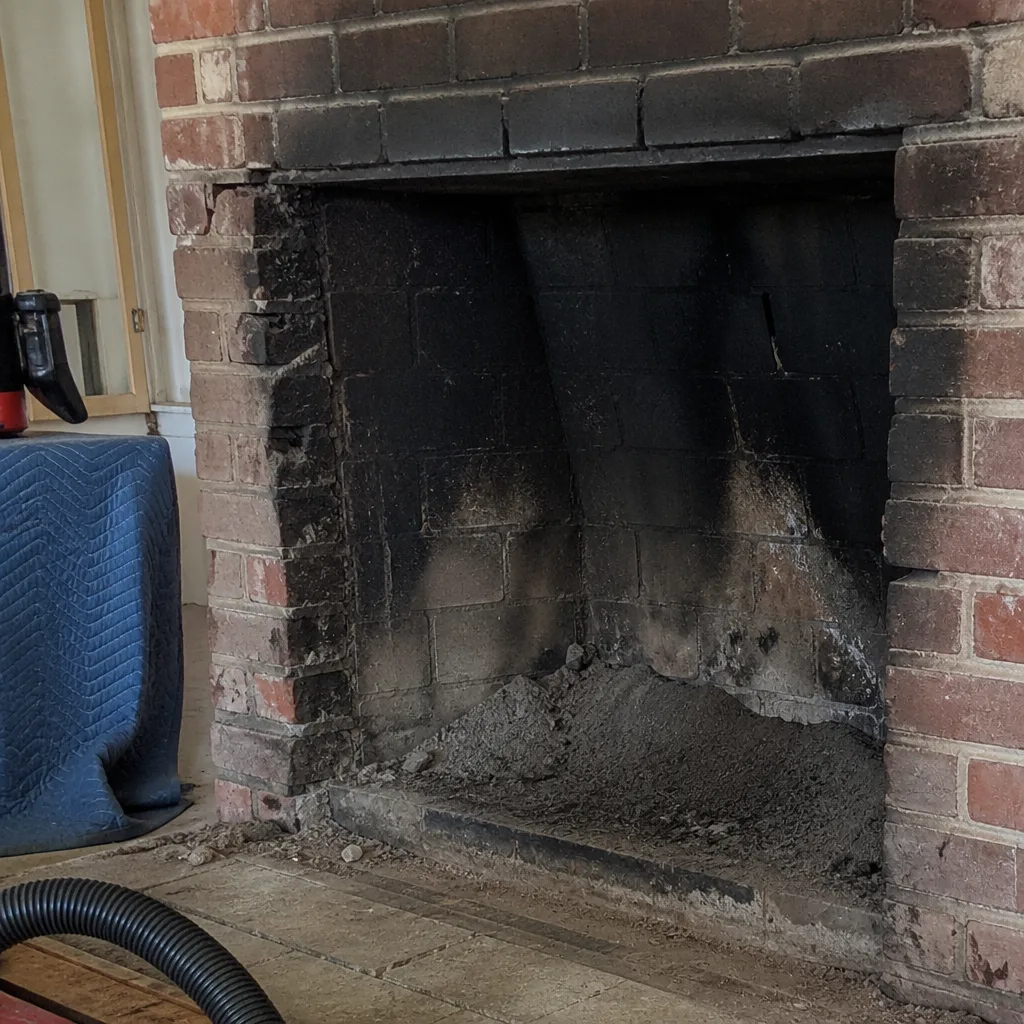 Before
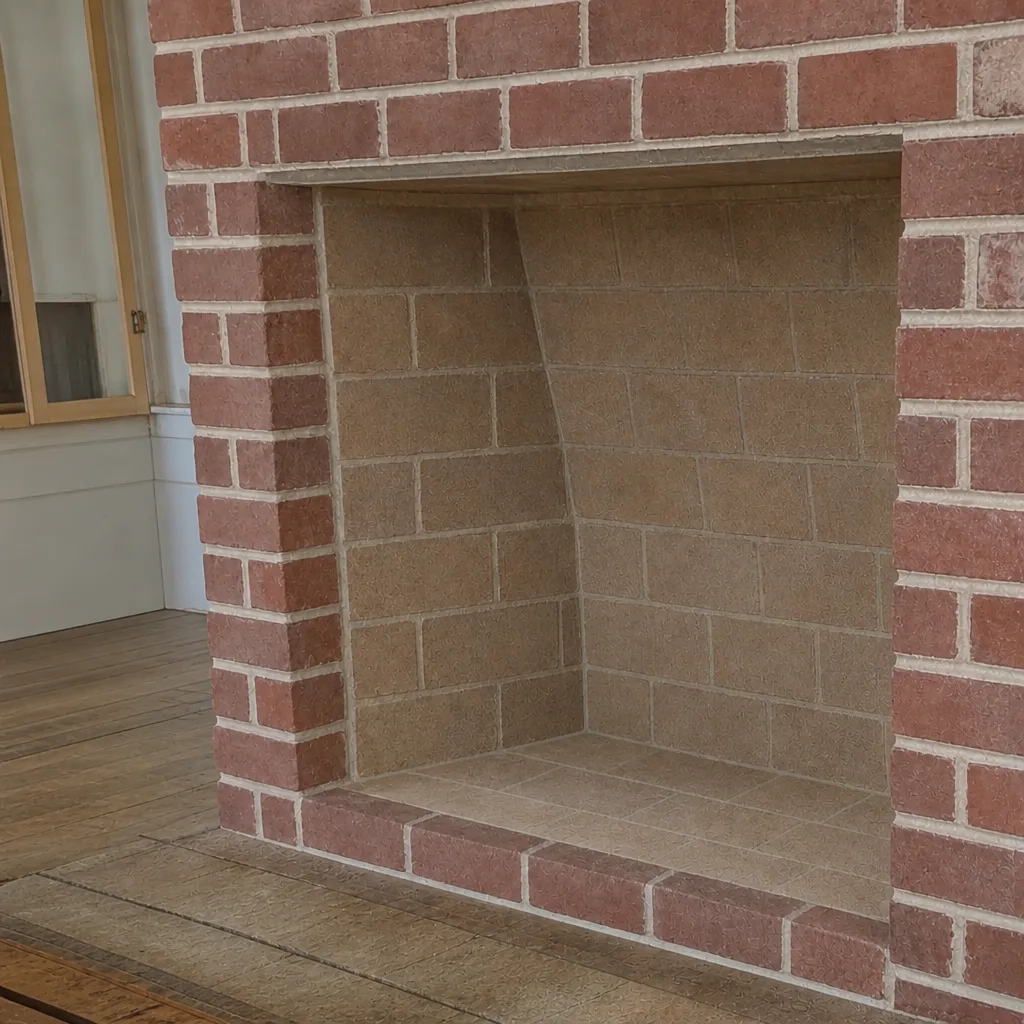 After
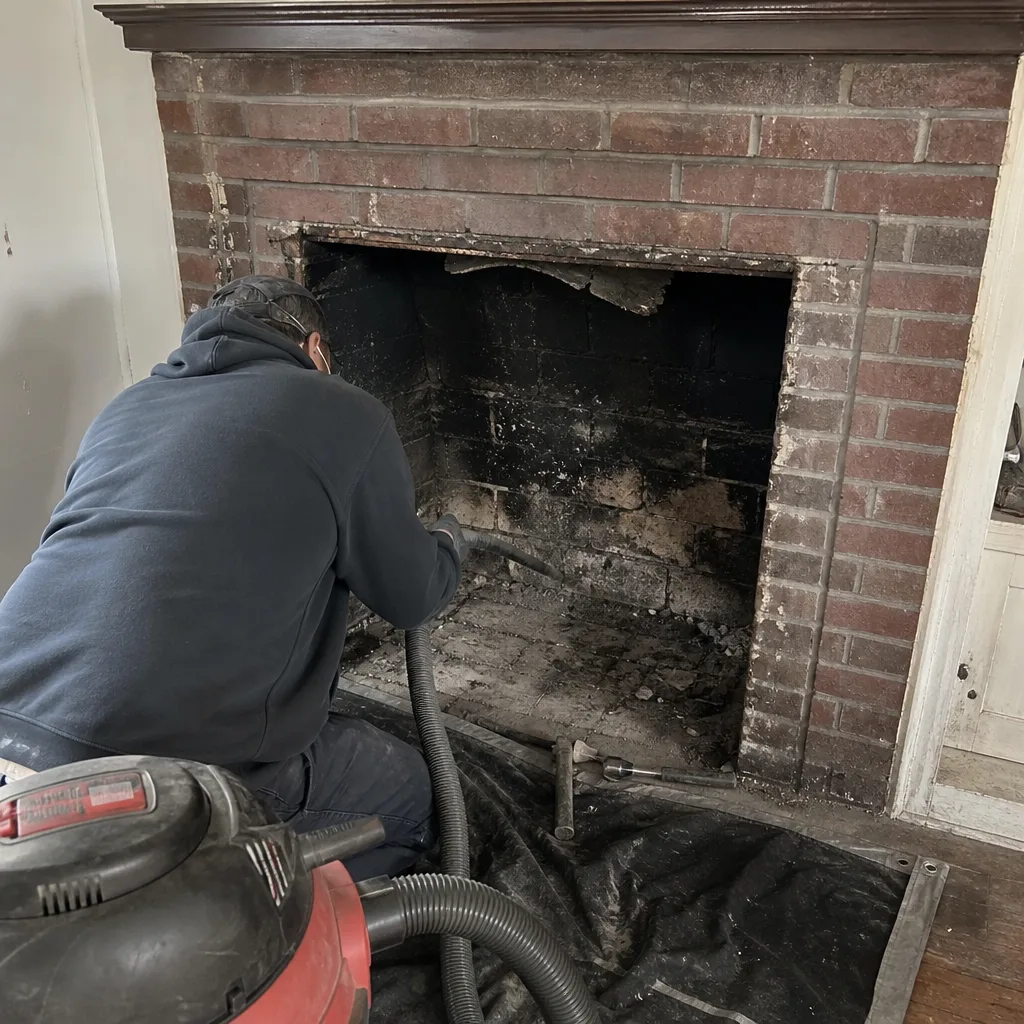 Before
 After
 Before
 After