
Last updated November 25, 2026
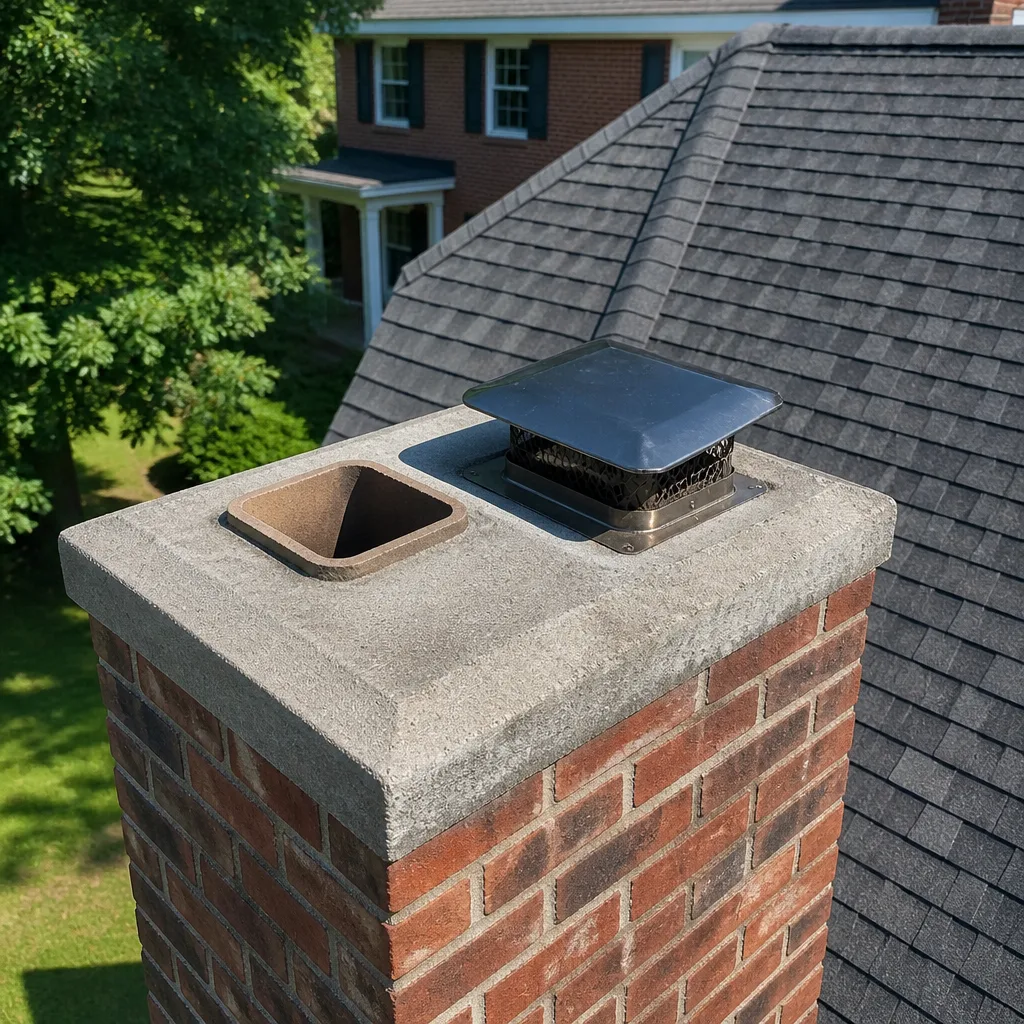 Sweep & inspection
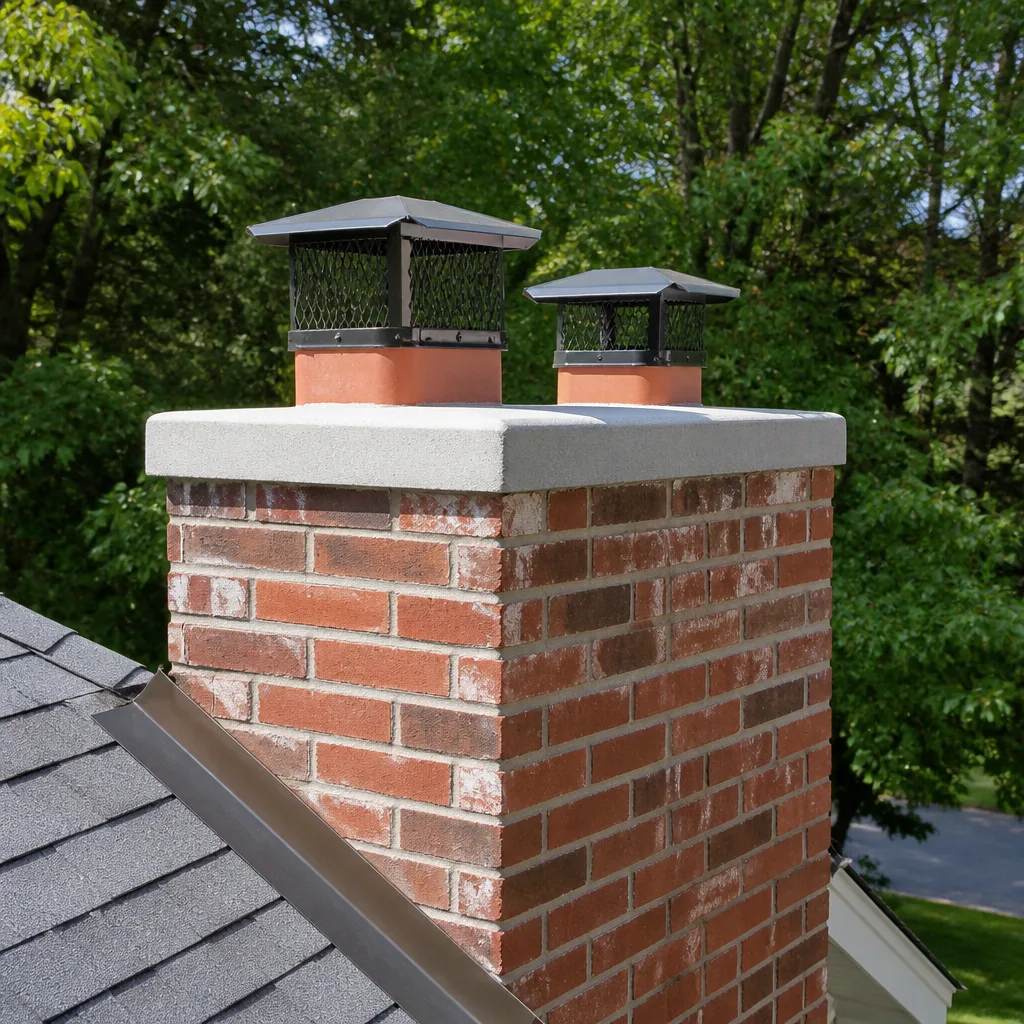 Caps & crowns
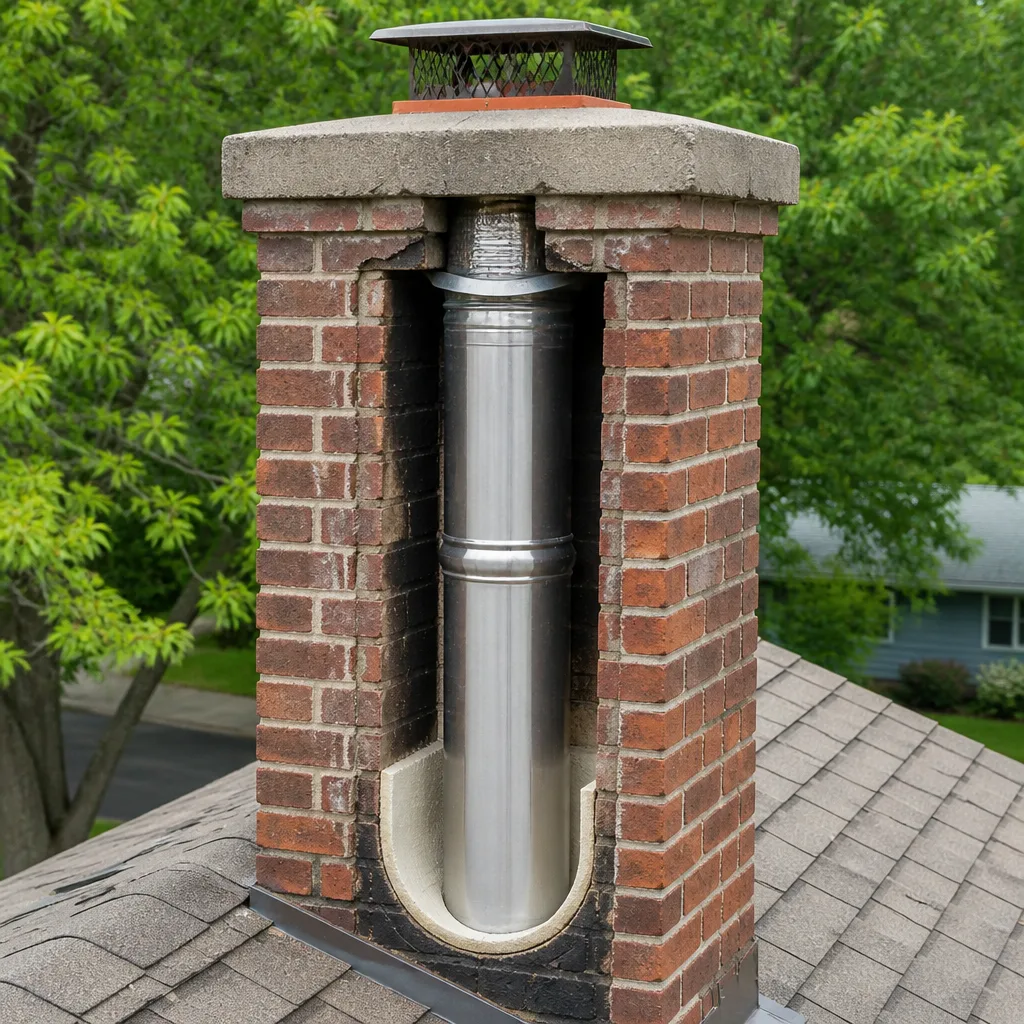 Flue relining
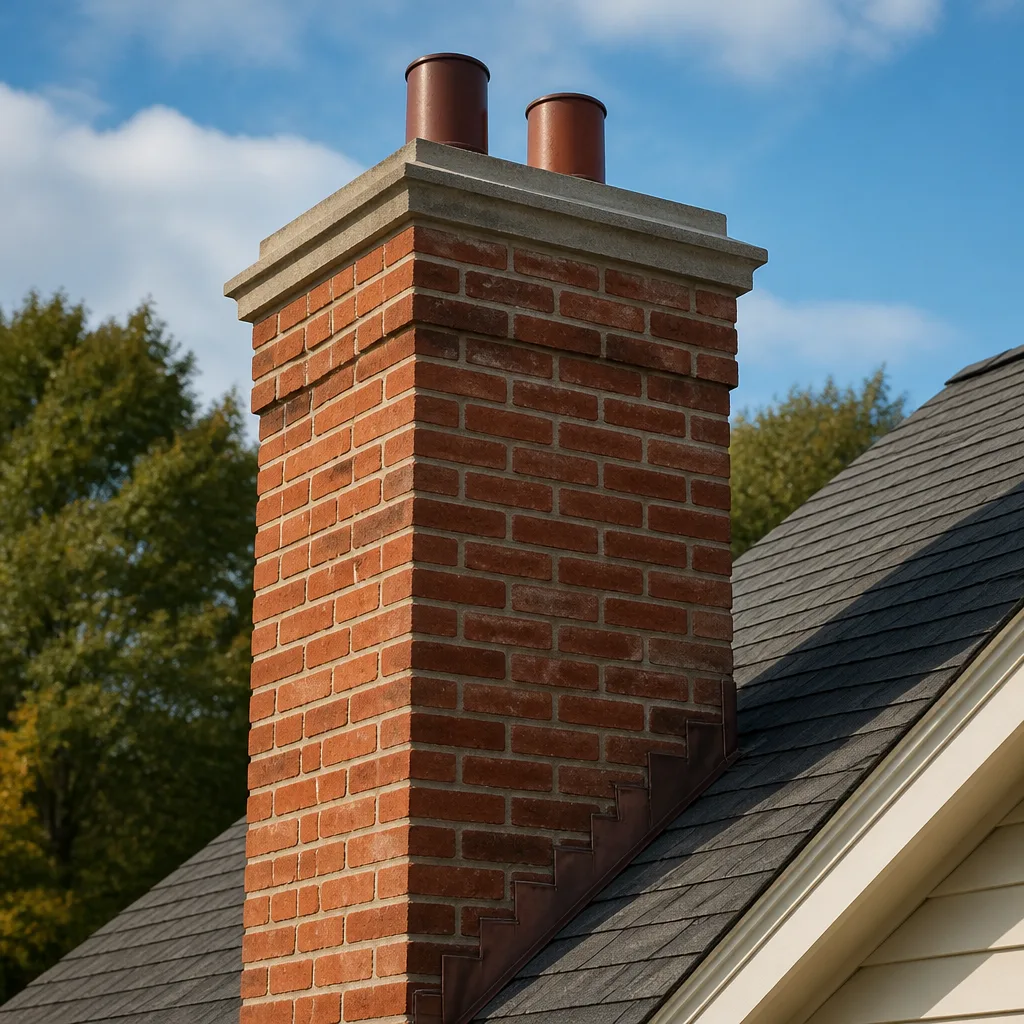 Masonry repair
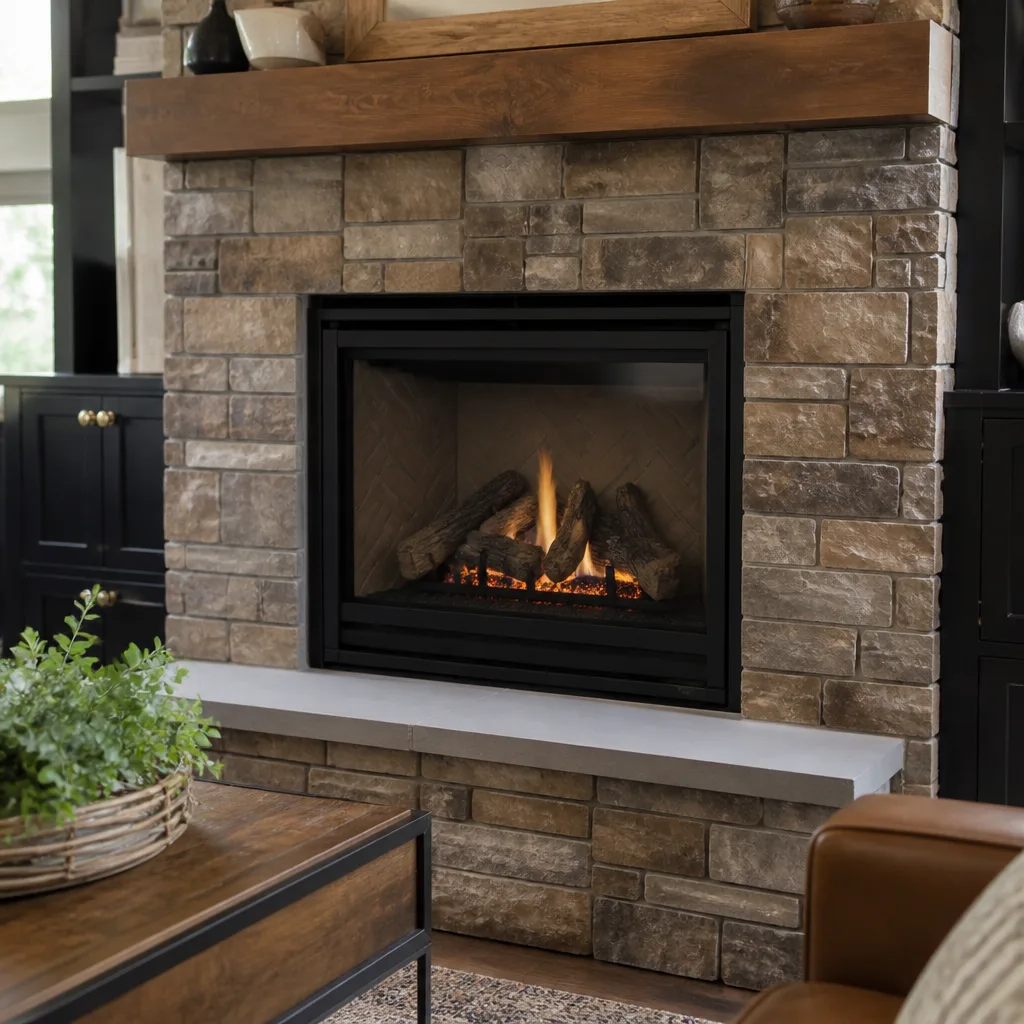 Gas fireplace service
Level 1 sweep and inspection to the NFPA 211 annual standard - flue, crown, cap, and flashing checked and photographed
Chimney sweep logs do not sweep chimneys. They loosen some creosote - which then falls where a brush and vacuum still have to collect it.
Chimney Cleaning Warning Signs: A Soundview Homeowner’s Reference Guide
Most people read chimney problems as a single alarm bell: bad news or no bad news. That’s the wrong frame. The signs your chimney gives off sit on a spectrum, and the useful skill is telling the ones that mean “book a sweep in the next few weeks” apart from the ones that mean “don’t light another fire until someone looks at this.” A white stain on exterior brick isn’t cosmetic, either. Efflorescence means water is moving through your masonry from the inside out, and that chalky bloom is the late stage of damage that’s been working for months. This guide sorts symptoms into three urgency tiers, explains what each one actually means at the mechanism level, and tells you what to do next.
Quick Answer
Chimney warning signs fall into three groups: stop-use-now signs (smoke rolling back into the room, a strong acrid smell even with no fire, visible soot or debris falling into the firebox), schedule-within-30-days signs (heavy creosote glaze, spalled firebrick, masonry cracks, a rusted or loose cap), and monitor-and-log signs (faint efflorescence, minor crown weathering, small hairline joints). Anything in the first group means stop burning and get the chimney inspected, because it can point to a blocked or damaged flue that lets carbon monoxide or fire into the house. The second group is fine to use with care until your booked sweep. The third group you watch and record.
Styles & brands we work with
- Sweep & inspection
- Caps & crowns
- Flue relining
- Masonry repair
- Gas fireplace service
Table of Contents
- How to Use This Guide: Three Urgency Tiers
- Tier 1 – Stop Using the Fireplace Now
- Tier 2 – Schedule a Sweep Within 30 Days
- Tier 3 – Monitor and Log
- Inside the Firebox: What the Firebrick and Mortar Tell You
- Exterior Masonry Signals in Soundview Brick Construction
- Smell-Based Diagnostics: Reading What Your Chimney Sends Up
- One Crack in the Crown: Weathering or Structural Separation?
How to Use This Guide: Three Urgency Tiers
The reason warning signs get ignored isn’t laziness. It’s uncertainty. A homeowner sees a crack, a stain, or a smell, has no way to size it, and parks the question. So we sort every sign into one of three tiers and explain the mechanism, because once you understand what’s physically happening, the severity stops being a mystery.
Tier 1 – Stop using the fireplace now. These signs suggest the flue is blocked, damaged, or venting into the house. Do not burn until an inspection clears it.
Tier 2 – Schedule a sweep within 30 days. These signs point to a real problem that’s progressing but not immediately dangerous. Book the work and keep burning lightly or not at all until then.
Tier 3 – Monitor and log. These are cosmetic or early-stage changes. Record them, photograph them, and note whether they grow.
The tiers move. A Tier 3 crack stays Tier 3 unless it widens or water shows through it, at which point it becomes Tier 2. A fresh hairline joint becomes Tier 1 the day you notice smoke coming through it. This is why the log in Tier 3 matters. We’d rather see a dated photo of a crack from three months ago that proves it hasn’t moved than hear “I think there’s been a crack there a while.”
Our technicians have up to 15 years of experience reading exactly these signs in Soundview and the surrounding Bronx neighborhoods, and the pattern is consistent: the signs that scare people the most on sight (a white stain, a hairline crack) are rarely the urgent ones, and the ones people overlook (a smell with no fire burning) are.
Tier 1 – Stop Using the Fireplace Now
These are the signs where the honest advice is to extinguish the fire, shut the damper, and call for an inspection before the next burn. None of them mean your house is on fire. All of them mean stop until someone looks.
- Smoke rolling back into the room. A draft that reverses when the fire is established, or smoke spilling from the firebox at a normal burn, points to an obstruction in the flue, a sudden pressure change, or a flue that’s too short or damaged to pull. Smoke in the room means the exhaust path isn’t working, and the same path that isn’t carrying smoke out isn’t carrying carbon monoxide out either.
- A strong acrid or chemical smell with no fire lit. Creosote and soot don’t usually smell much when the chimney is dry and cold. A sharp smell at rest often means moisture is sitting with the deposits, or the flue has a blockage that’s trapping gases.
- Soot or debris falling into the firebox or through the damper. Falling chunks can be delaminated flue liner, crumbling mortar, or a nest or blockage letting go. Any of those needs a camera inspection before you burn again.
- A visible crack inside the flue (seen with a light and mirror, or on a camera inspection) that runs through the liner. A cracked flue liner lets heat and gases reach the structure behind it. This is the clearest case where carbon monoxide and fire risk intersect, so we treat a confirmed flue crack as Tier 1 without hesitation.
- Headaches, drowsiness, or nausea that improve when you leave the room and return when you come back. This is the one to take most seriously. It can indicate carbon monoxide in the living space, and the answer is to get fresh air, not to finish the evening by the fire.
Notice that most of these are about gases, not the visible mess. The chimney is a venting system before it’s a maintenance item, and a vent that fails vents into the house. We answer 24/7 if you need to talk through a Tier 1 sign at an odd hour, and the sooner it’s inspected, the sooner you know whether it’s a real obstruction or a drafting issue with a simpler fix.
Tier 2 – Schedule a Sweep Within 30 Days
Tier 2 is the widest band in practice, and it’s where most Soundview calls land. Something is clearly wearing, but there’s no signal that it’s dangerous today. The move is to book the work soon and keep an eye on it.
- Heavy, glazed creosote on the flue walls. Creosote builds in layers. Soft, fluffy soot brushes out easily. Hard, shiny, tar-like glaze is stage-three creosote, and it’s the stage that ignites at lower temperatures, which is why it’s the fire-risk stage. Glazed creosote also doesn’t brush off effectively with a standard sweep; it often needs treatment before it releases.
- Spalled firebrick or crumbling mortar joints in the firebox. When the firebrick face flakes or the refractory mortar between the bricks crumbles and pulls back, the firebox is losing its heat barrier. It’s a repair, not a sweep, but it’s Tier 2 because it takes time to become structurally important.
- Efflorescence with no other water signs. The white bloom means water is passing through the masonry and leaving mineral salts behind. Left alone it progresses; caught early it’s often a cap, crown, or flashing issue rather than a rebuild.
- A rusted, loose, or missing chimney cap. Caps keep water and animals out. Rust through the top of a cap lets water straight into the flue, which is how a slow problem becomes a masonry problem.
- A cracked or crumbling crown. The crown is the concrete cap on top of the stack that sheds water away from the masonry. Cracks in it are common, and most are surface weathering, but they’re worth addressing before the next freeze-thaw cycle.
- Small masonry cracks that haven’t moved. Measure or photograph them. If they hold steady, it’s Tier 2 monitoring. If they widen, the crown or the whole stack may be separating.
This is where our chimney sweep and inspection work overlaps. A standard sweep includes a look at the flue, the firebox, and the cap and crown, because the signs you can’t see from the hearth are the reason to get someone up top. Nothing is recommended without camera evidence you can see for yourself.
Tier 3 – Monitor and Log
Tier 3 signs are the ones worth recording and not panicking over. The math here is simple: changes over time tell you more than any single look. Keep a dated photo log on your phone. It takes two minutes and it turns a vague worry into a fact you can hand to the next inspection.
- Faint efflorescence on a small patch. Photograph it, note the date, and check whether it grows after heavy rain.
- A hairline crack in the crown visible from the ground. Note the width against a coin or ruler in the photo so a later shot can be compared.
- Light creosote on the flue walls. Know where you are on the creosote scale so the next sweep can confirm progress.
- Minor soot discoloration around the damper or firebox frame. A light dusting is normal; streaking is not.
- One small brick with chipped or weathered face, away from the stack top. Watch it and note whether the mortar joint beside it opens.
The most useful entry in any log is a baseline photo taken before the season instead of one taken after the problem. In Soundview, water and frost are the recurring causes of the slow-motion damage we see, so the baseline is usually about drainage, not burning.
Inside the Firebox: What the Firebrick and Mortar Tell You
Interior signs are the most under-noticed family of warning signs, because homeowners look at the fire, not the walls around it. The firebox has three components worth understanding: the firebrick, the refractory mortar in the joints, and the smoke shelf and damper above. Each tells you something different.
Spalled firebrick. Spalling means the face of the brick flakes, peels, or pits. It happens when thermal cycling and moisture work away at the surface. A single spalled brick face is a monitor-and-watch item. Several bricks spalling with joints opening between them is a repair, because the firebox wall is meant to hold heat and a compromised wall lets it into places that aren’t built for it.
Deteriorated refractory mortar joints. The joints between firebricks are the weak point. When mortar crumbles and the joints recede, smoke finds its way through the gaps. You may not see it from the hearth; you may see it as a stain on the outside of the firebox or smell it. This is the mechanism behind a lot of “smoke smell with no fire” complaints, and it’s why we treat mortar joint condition as seriously as the brick.
Smoke rollout at low drafts. Smoke appearing in the room at low, smoldering burn stages, sometimes on a slightly warmer day, can be a draft problem, a firebox geometry issue, a crack in the flue, or a chimney that’s too short. It is one of the signs that often gets blamed on “the fire not being hot enough.” Sometimes that’s true. Sometimes it’s the flue telling you it’s compromised.
Soot patterns above the damper. Even streaks in the flue are normal. Blow-back soot around the damper frame or up onto the face of the firebox surround points to a pressure or venting problem, and it’s worth an inspection to find the cause.
These interior signs are exactly what a standalone chimney inspection is for. A sweep cleans the flue; an inspection reads the whole thing, firebox to crown. We offer inspection as its own service because it should stand on its own, not arrive as a pretext for an upsell.
Exterior Masonry Signals in Soundview Brick Construction
The exterior of a brick chimney records water’s movement like a ledger. Soundview’s predominantly brick construction gives its chimneys a distinctive profile of wear, and most of what shows on the outside traces back to water entering from the top.
Efflorescence in detail. The white powder on brick isn’t the water itself. It’s what’s left after water moves through the masonry, picks up soluble salts, and evaporates on the surface, leaving the salts behind. A small bloom after a wet stretch can be normal for a brick that’s been rained on. A permanent, growing patch on a chimney face, especially if the brick around it is dark or soft, means water is getting in somewhere at the top and finding its way through. The stain is the end of the process, not the start.
Stair-step cracking. When cracks run diagonally up the mortar joints in a stair-step pattern, they usually follow the path of least resistance through the joints, not the bricks. A single stair-step may be surface-level movement or settlement. Two branches meeting in a wide V, or one that’s opening wider each season, indicates settlement in the structure below or something more than normal.
Lintel displacement in the masonry around openings. Where a chimney has an opening for a flue or an appliance vent, a steel lintel spans the gap. If the masonry above it drops relative to the side walls, or the lintel shows movement, that’s a load transfer issue. It’s not something to fix with mortar.
Chimney lean. A stack out of plumb is a foundation or structural signal. On a short chimney, a degree of lean may be original construction. On a taller one, a lean that’s increasing, or one that’s combined with a separation at the roof line, is a stop-and-look item.
We’ve seen all of these on Soundview roofs, and the useful principle is the same every time: the top end of the chimney is where the water comes in, and the bottom end is where you first notice it. Our chimney cap & crown work is usually the fix, and it’s cheaper than the masonry repair that follows if it’s left.
Smell-Based Diagnostics: Reading What Your Chimney Sends Up
Smell is the most reliable early indicator homeowners have, and it gets the least attention because people can’t see a smell and don’t know what it means. Here’s how we read the common ones.
- Musty, damp, or earthy smell. Water. This usually points to moisture in the masonry, the flue, or the firebox, often near the cap, crown, or flashing. A musty smell in summer often traces to a leak letting water in slowly. When water sits with organic deposits, it grows damp.
- Acrid, sharp, or chemical smell with no fire. Creosote and gases caught in a blocked or partially blocked flue, or a back-draft from a pressure imbalance. This can mean gases are accumulating rather than venting, which leans toward stop-and-inspect.
- Smoke smell at rest, with no fire lit. Usually means a negative pressure in the room drawing smoke from a neighboring flue, or a firebox or damper joint that’s opened. This is the smell-near-the-damper-with-no-fire case.
- A smell that intensifies when heating turns on or on windy days. A pressure issue, a loose cap, or a flue that’s short relative to the draft. Worth an inspection, not a same-day emergency.
- A smoky smell only when it rains. Often a crown, cap, or chimney top issue letting water into the flue, then the next burn pushes the smell back through the firebox.
The single most useful question to answer for each smell is: does it happen with a fire lit, or not? Then: does it happen in damp weather or dry? That combination narrows the location between the firebox and the crown more than any other information a homeowner can give us.
One Crack in the Crown: Weathering or Structural Separation?
A single crack in the crown at the top of the stack can be two very different things, and this is the question we get asked most often, usually from the ground with a phone camera zoomed in. Here’s how to tell the difference from the ground, using only a pair of binoculars or a good zoom and a note of what you see.
- Look at the direction of the crack. A short crack running radially from the center of the crown toward the edge is usually a surface crack from thermal cycling and freeze-thaw, common and often not structural. A crack running the full diagonal across the crown, or one that continues down into the cap or the brick below, is more concerning.
- Look at the edges of the crown where it meets the flue and the brick. Separation at the boundary between the crown and the flue is often a water-management issue, not a structural one. The crown, cap, and flue should overlap and seal at that joint; when it opens, water enters at the top and works down.
- Look at whether the flue tile is displaced or sitting proud. The flue tile should project slightly above the crown so water can’t pool over the flue. If the tile has dropped below the crown surface, water pools over the flue; that is a fix and a common one.
- Look at the crack over time. Photograph it. A crown crack that’s unchanged in width over a season is weathering. A crown crack that’s moved, tilted, or opened into a visible gap is structural separation.
- Look for water streaks running from the crack down the brick. Fresh water tracking from a crown crack down the face of the chimney tells you water is entering at the flue top, not just at the surface of the crown.
The crown is worth getting right because it’s the element that keeps water out of the whole stack. A weather-scarred crown that still sheds water is a monitoring item. A crown that’s structurally separated is allowing water directly into the flue, where it degrades the liner over time. A proper chimney cap and crown inspection tells you which one you have, and we install crowns with proper-grade concrete materials and re-cap the flue to spec, not with a skim of hardware-store patching compound.
When the news is bad, the fix matters as much as the diagnosis. If your flue lining is damaged, a full tear-out and re-liner isn’t always the only path. Liner restoration with HeatShield can extend the life of your flue without the cost of full replacement, and we use it where the flue condition makes it appropriate. Where replacement is needed, we work with DuraFlex and Gelco components, the same trade-grade materials chimney engineers specify. Our chimney repair work covers the structural side, from crown replacement to masonry rebuilds.
Common Mistakes to Avoid
- Treating efflorescence as a paint problem. Sealing over a white bloom traps the water that’s causing it and drives it deeper into the brick. Fix the source at the top first, then treat the surface.
- Burning wet or green wood to “clear out” a smoky flue. Unseasoned wood makes more creosote and more smoke, which is the opposite of the fix, and it can turn a Tier 2 buildup into a Tier 1 obstruction.
- Assuming last season’s sweep covers this season. Chimneys in Soundview deal with a wetter, freeze-thaw cycle through the off-season. A chimney that was fine last spring can show a widened crown crack or a moisture smell by the following fall.
- Cleaning soot off the firebox walls with the wrong product. Harsh cleaners and commercial solvents can damage firebrick and refractory mortar. Clean firebox surfaces gently, with care, and let a technician check the brick and joints directly.
- Ignoring “smoke smell with no fire” because the fire looks fine. Smell at rest is one of the clearest signs of a joint, damper, or pressure issue. It’s often exactly what an inspection is for.
- Patching a stair-step crack with mortar over a suspect lintel or foundation. Mortar over a moving crack opens again within a season. Movement needs a diagnosis, not a cosmetic fix.
- Buying a “universal” cap to save a visit. An ill-fitting cap can block the flue or seal the wrong edges and cause the very draft problem it’s meant to solve. Fit matters more than brand on the top of the stack, and a proper cap inspection is quick.
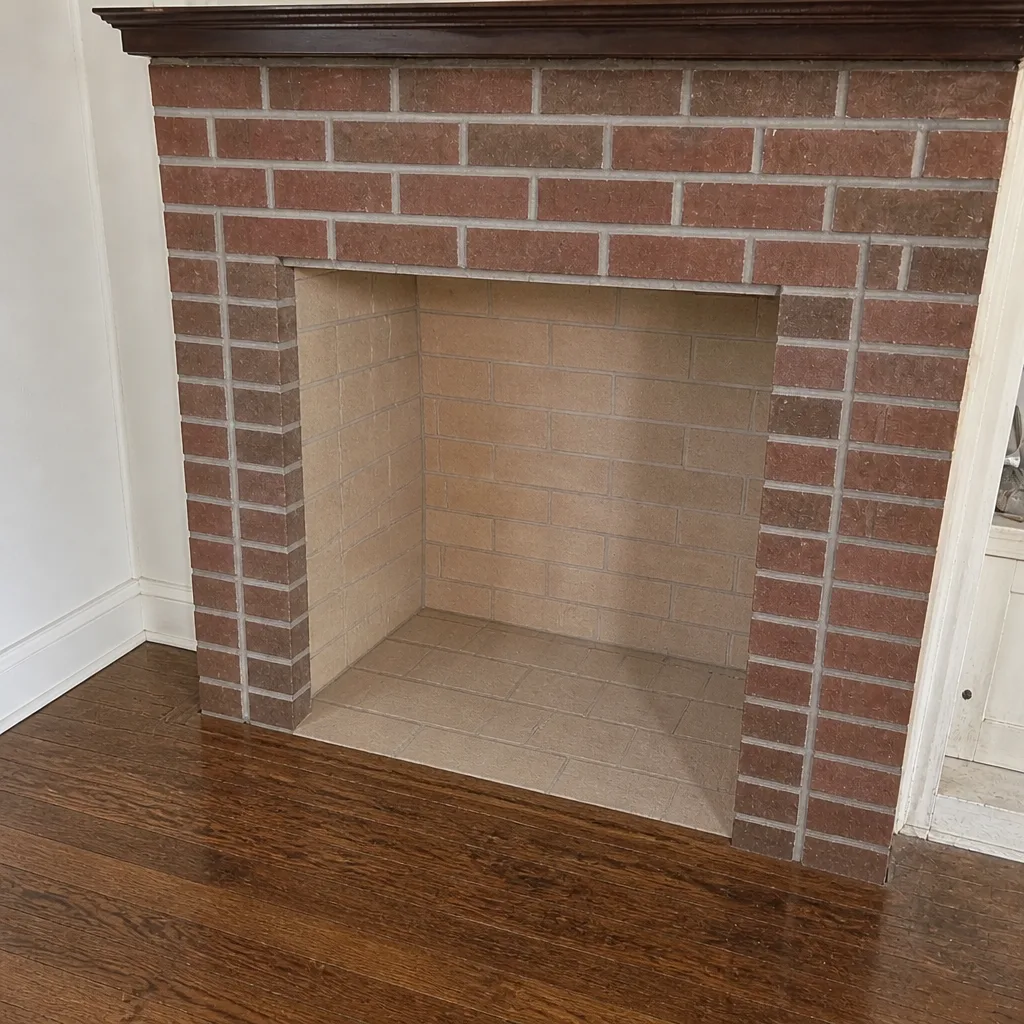
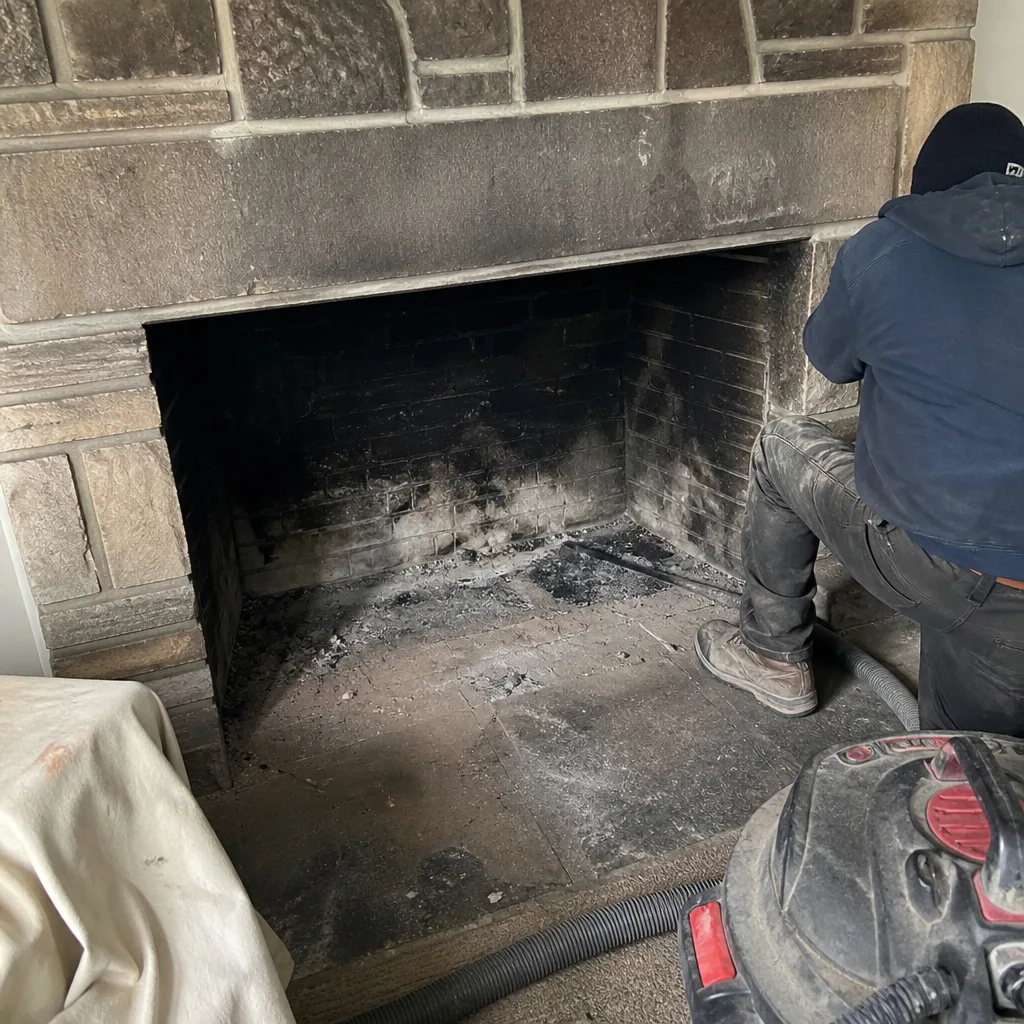
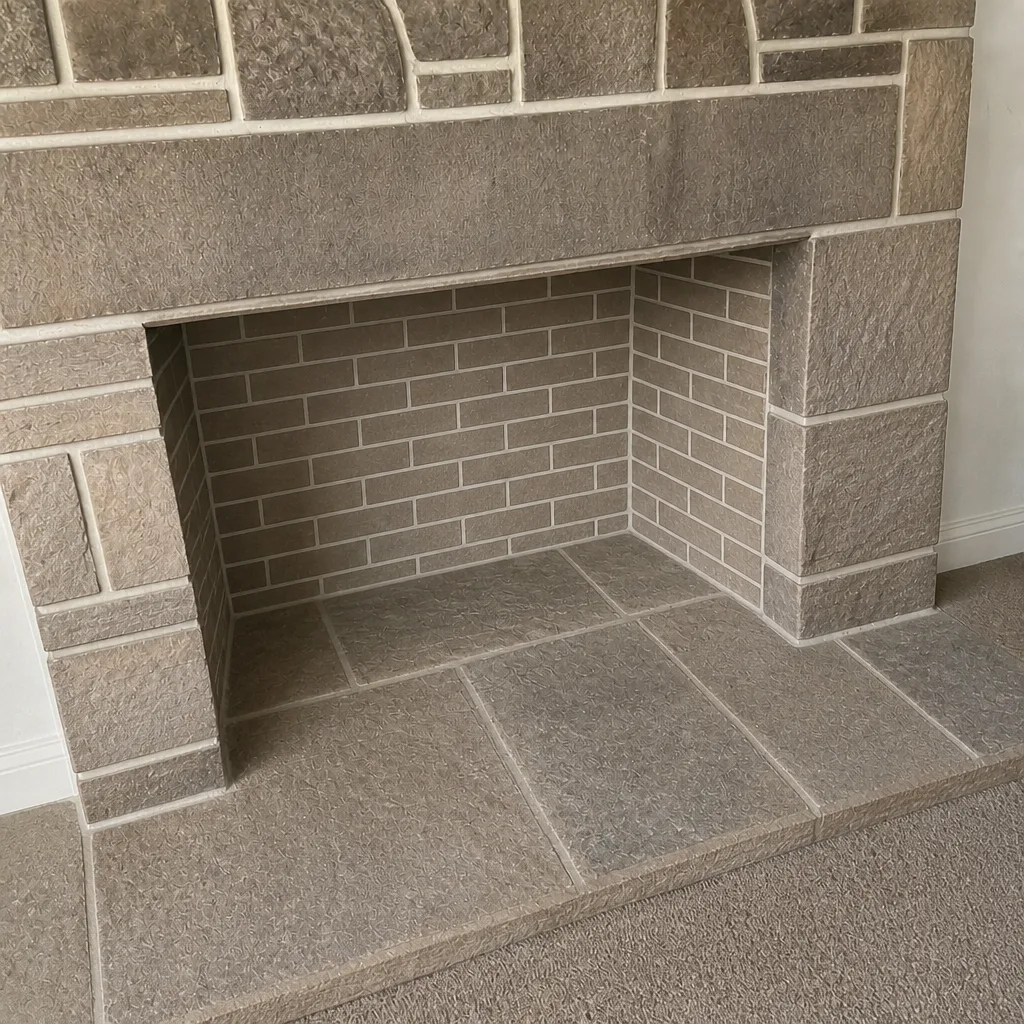
See the difference
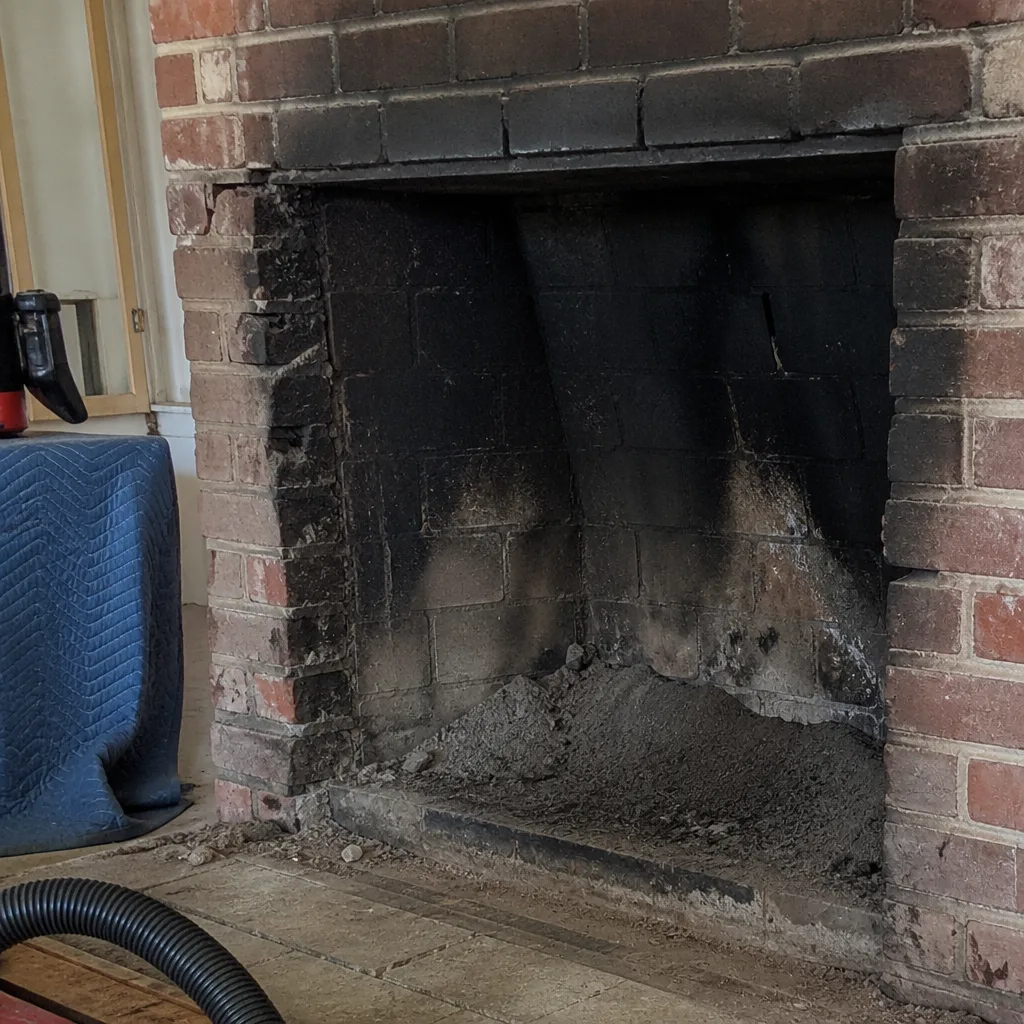 Before
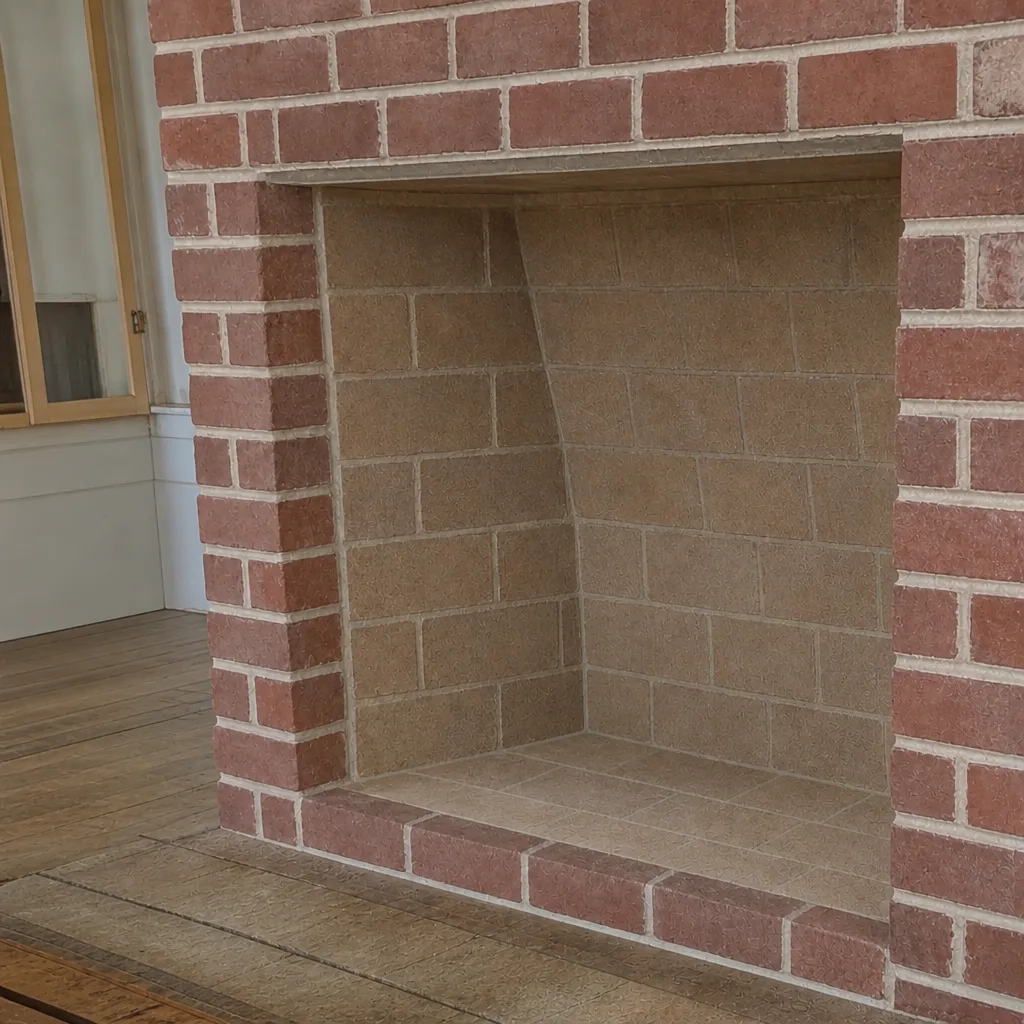 After
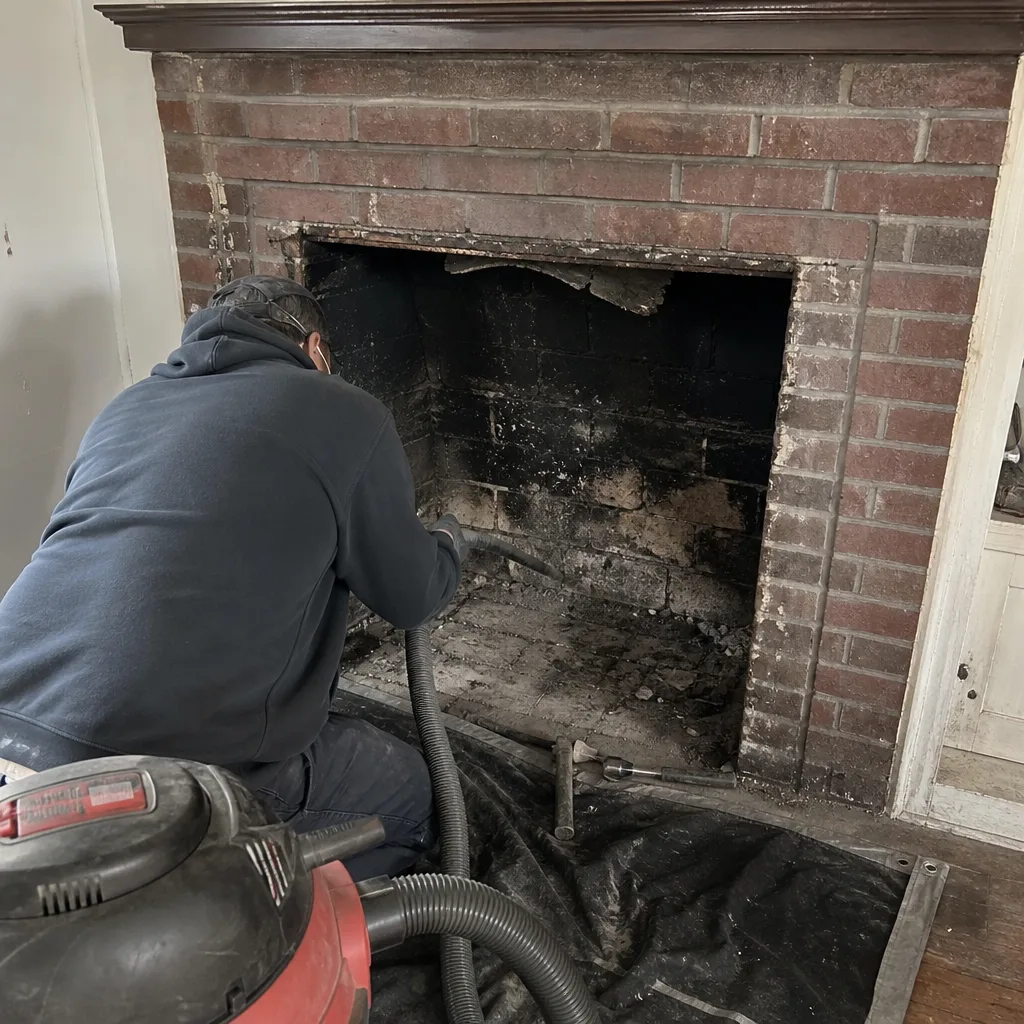 Before
 After
 Before
 After
When to Call a Professional
Call a professional chimney sweep in Soundview when any Tier 1 sign shows up, when Tier 2 signs are present and you can’t measure whether they’re changing, or when you simply can’t get a clear read on a smell, a stain, or a crack from the ground. Call before the burning season rather than mid-season; a sweep booked in the fall catches the season’s water damage before it turns into structural masonry repair. There’s also a routine-service case: a routine sweep once a year, and more often if you burn heavily, keeps the signs from arriving at all. If you’re unsure which tier a sign belongs to, describe it and we’ll tell you honestly whether it’s a monitor-and-log item or a book-now item. Nothing gets recommended without camera evidence you can see for yourself, and we say plainly when work can safely wait. Chimney Sweep Soundview offers free estimates in Soundview. Call (866) 947-9290.
Frequently Asked Questions
Most standard chimney sweeps in Soundview are a flat fee, and the written estimate sets the final price before any work begins. The exact figure depends on what the chimney needs and how much buildup there is, so we confirm it after the first look rather than over the phone. Standard sweeping and inspection are quoted as separate jobs; a standalone inspection is available if you don’t need a full sweep. Call (866) 947-9290 for an exact quote – estimates are free.
Often the existing liner is repairable, and replacement is not the first option you should be offered. Liner restoration with HeatShield can extend the life of a flue with a damaged interior, and we recommend it where the condition of the liner is appropriate for restoration. Where the damage is too extensive for restoration, we install a new liner with trade-grade materials such as DuraFlex, and we explain the reason either way. Ask for the camera evidence and make the call based on what you see. Call (866) 947-9290 for a straight answer on which path applies to your chimney.
Once a year for most homes, and more often if you burn heavily or burn wood that’s not fully seasoned. In Soundview, dense winter heating use and a wet off-season together make an annual sweep the practical baseline. A yearly visit also lets a technician compare this year’s firebox, crown, and flue condition against last year’s, which is the single best way to catch Tier 2 signs before they become Tier 1. If you’re unsure when you were last swept, that’s the reason to book one. Call (866) 947-9290 and we’ll get you on the schedule.
Creosote keeps accumulating on the flue walls, and the deeper it builds, the hotter it burns if it ignites. That’s the chimney fire risk measured in burn temperature, not in days or weeks. Water also continues working through any cap, crown, or masonry issue, slowly. Most of what we fix at the heavy end of the masonry repair scale is the result of a smaller ignored sign, not a single catastrophic event. The answer is to sweep on schedule and let an inspection clear the rest of the system. Call (866) 947-9290 – estimates are free and the sooner you book, the simpler the fix tends to be.
Put out the fire, leave the damper open to vent, open a window briefly, and get the chimney inspected before you burn again. Smoke in the room is a Tier 1 sign, because the same flue that isn’t carrying smoke is not carrying carbon monoxide. Common causes include a blocked flue, a flue shorter than the draft needs, or a pressure imbalance in the room. Don’t keep relighting to “see if it clears” – a camera inspection tells you which cause applies. Call (866) 947-9290. We answer 24/7. Fast dispatch from 7am to 7pm, Sunday through Friday.
It’s the visible end of a water problem, not a cosmetic one. The white bloom is mineral salt left after water moved through masonry and evaporated at the surface, so the stain is the last stage of damage that’s been at work for months. Once you see it on a chimney in Soundview, the priority is finding where the water is coming in, usually at the cap or crown, before the masonry degrades further. A small patch after a wet stretch can be ordinary; a permanent patch or one that grows needs an inspection. Call (866) 947-9290 – estimates are free.
The Bottom Line
Most chimney problems announce themselves long before they become expensive. The trick is classification: know which signs mean stop, which mean schedule soon, and which mean log and watch. A growing white stain, a stair-step crack, a smoke smell with no fire, spalled firebrick, a crown that’s separated from the flue tile: each of these sits at a specific tier, and the tier decides your next move. Photograph what you see, note the date, and act on the tier rather than the level of alarm. If you’re unsure where a sign lands, get it looked at. Chimney Sweep Soundview works on the whole system, firebox to crown, and treats each part as one connected asset: a Chimney Sweep Soundview visit can cover the sweep, the inspection, the cap and crown, and any repair in one scope, so nothing falls between contractors. Call (866) 947-9290 for a free estimate. We answer 24/7. Fast dispatch from 7am to 7pm, Sunday through Friday.
Written by the team at Chimney Sweep Soundview.