
Last updated November 25, 2026
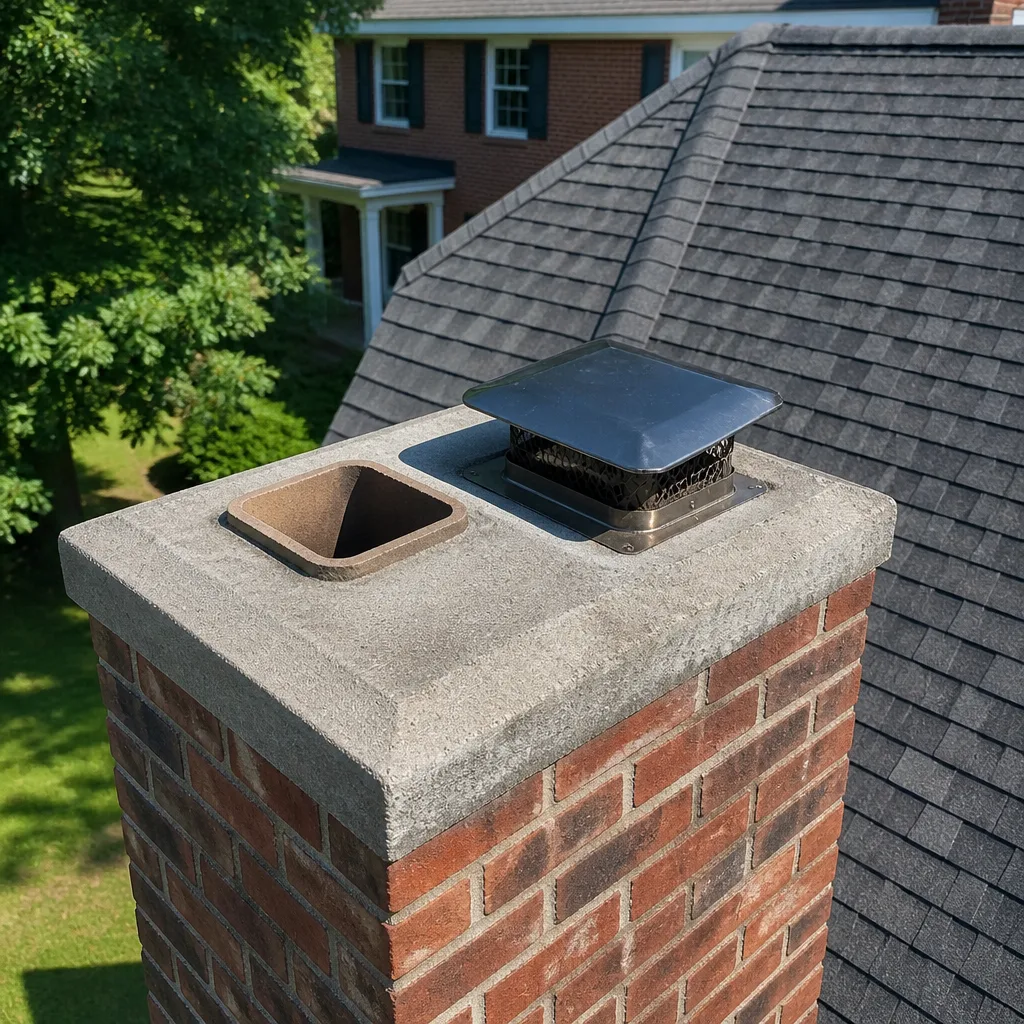 Sweep & inspection
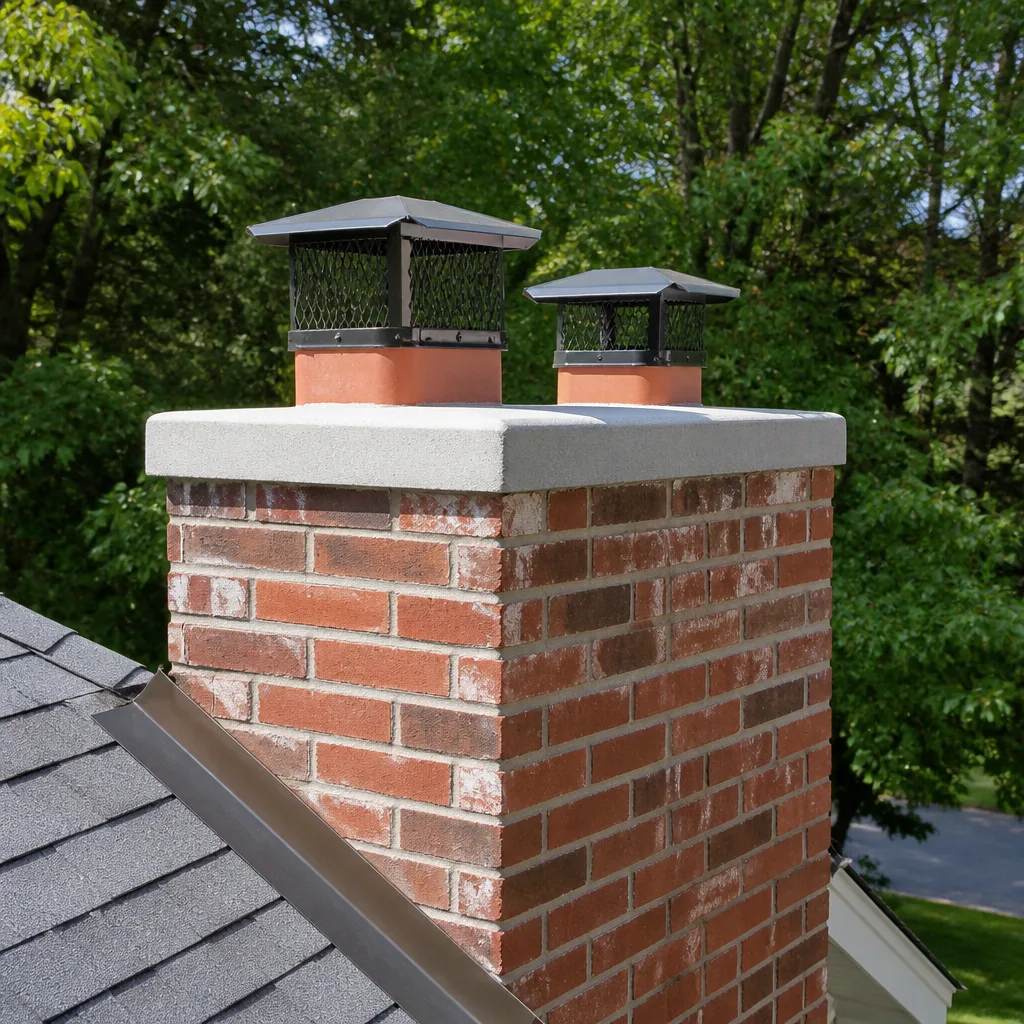 Caps & crowns
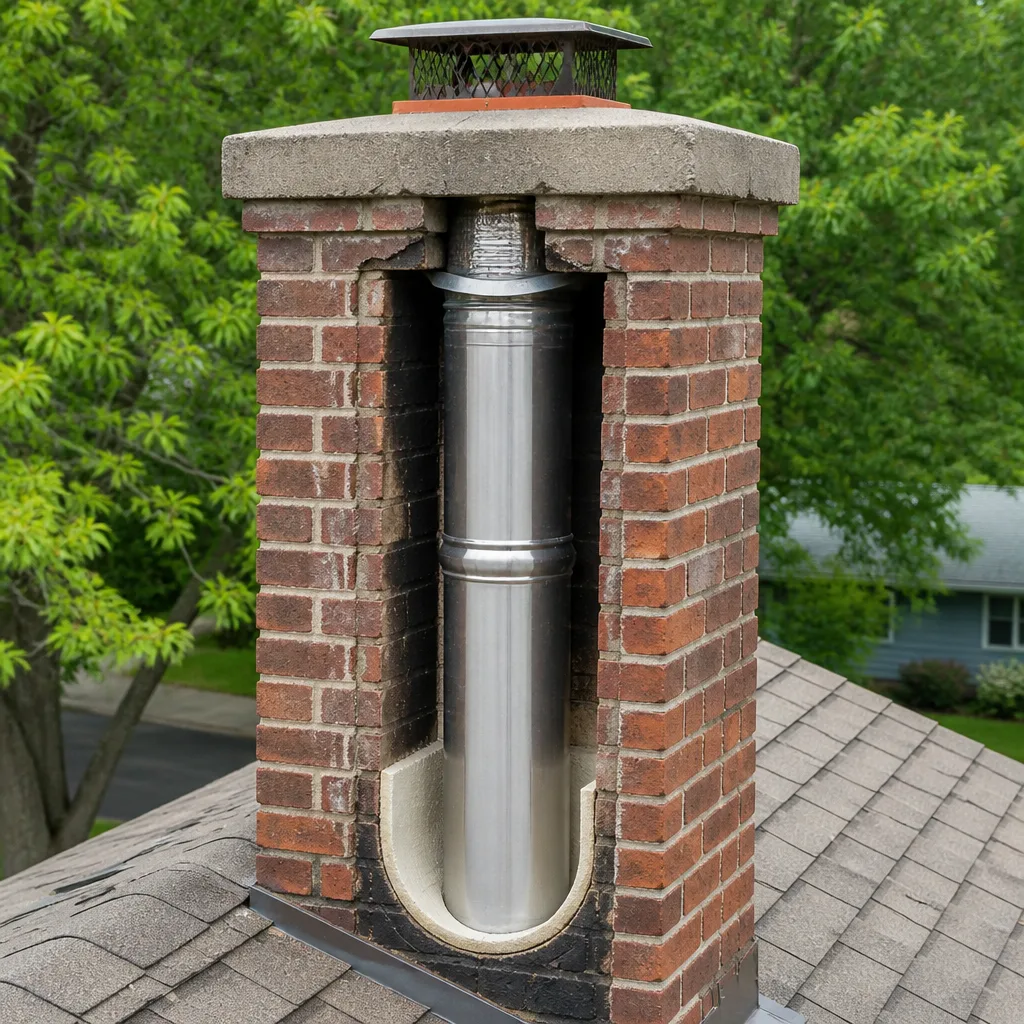 Flue relining
 Masonry repair
 Gas fireplace service
Level 1 sweep and inspection to the NFPA 211 annual standard - flue, crown, cap, and flashing checked and photographed
Chimney sweep logs do not sweep chimneys. They loosen some creosote - which then falls where a brush and vacuum still have to collect it.
Choosing the Right Chimney Cleaning Brand: A Buyer’s Guide for Soundview
The waterproofing product at the hardware store and the one a professional applies can look identical on the label. The difference is vapor permeability, and the wrong choice traps moisture inside your masonry instead of keeping it out. That single spec explains why the “brand question” for chimney products is worth taking seriously in Soundview, and why so much of what’s sold to homeowners is built for a shelf, not for a Bronx chimney. In this guide we’ll walk through which product categories actually reward brand attention, which ones don’t, and how to read a spec sheet so the numbers mean something. You’ll finish knowing where to spend and where to save.
Quick Answer
For chimney cleaning and maintenance products in Soundview, brand and formulation matter most for waterproofing, crown sealants, and mortar mix, and they matter far less for basic brushes or generic creosote removers. The reason is vapor permeability and adhesion to aged mortar, the two specs consumer products most often get wrong. Buy trade-grade for anything that seals or bonds to masonry, and buy generic for the mechanical stuff.
Styles & brands we work with
- Sweep & inspection
- Caps & crowns
- Flue relining
- Masonry repair
- Gas fireplace service
Table of Contents
- Where Brand Actually Matters (and Where It Doesn’t)
- Why Vapor-Permeable Waterproofing Is Non-Negotiable in Soundview
- Consumer-Grade vs Trade-Grade Sealants: Temperature and Adhesion
- How to Read a Product Spec Sheet for Chimney Materials
- A Category-by-Category Buying Guide
- Which Maintenance Tasks Are Worth Trade-Grade Materials
- Where to Source Professional-Grade Materials in New York
- Common Mistakes to Avoid
- When to Call a Professional
- Frequently Asked Questions
Where Brand Actually Matters (and Where It Doesn’t)
Most of what a homeowner buys for chimney upkeep splits cleanly into two groups. One group is mechanical: brushes, rods, scrapers, drop cloths, a shop vac filter. These are commodities. A brush is wire or poly, and a generic one works as well as a branded one for the same job. The second group is chemical and structural: anything that seals, bonds, waterproofs, or coats masonry. Here the formulation decides whether the product performs in real conditions or fails quietly a season or two later.
The rule of thumb we use: if the product touches fire, heat, or water and has to stay put for years, treat the brand as a spec. If it’s a tool you swing or push, treat it as a tool.
- Brand matters: waterproofing sealers, crown repair materials, mortar mix, refractory cement, liner components, creosote treatment chemistry.
- Brand matters less: flue brushes, rods, hand tools, tarps, ash buckets.
- Brand is a safety line: flue liner parts. A liner is a listed assembly, and it has to come from a maker whose product you can trace and match to a rating.
In our experience across Soundview, the failures we see in older brick chimneys almost never trace back to a $15 brush. They trace to a sealer applied years earlier that either trapped moisture or cracked off in a freeze. That’s a formulation problem, and formulation is a brand problem. Your chimney is a system, and the sealants and mortars are the joints holding it together.
Why Vapor-Permeable Waterproofing Is Non-Negotiable in Soundview
Masonry is porous and it moves. Brick and mortar absorb water vapor from inside the house and from humid summer air, and they need to let that vapor pass back out. A waterproofing sealer that blocks liquid water but also blocks vapor does the opposite of what you want: it keeps the masonry wet behind a sealed face. In a climate with real freezes, that trapped moisture expands when it turns to ice and spalls the brick face off. That’s the most common cause of a flaking, crumbling chimney we get called about in Soundview.
The correct spec is a breathable, vapor-permeable water repellent. It’s usually a siloxane-based product, and it works by lining the pores rather than capping them. Water beads and runs off, but vapor still escapes. Many consumer waterproofing products sold at hardware stores are film-formers, meaning they leave a solid coating on the surface. They look great the first season. Then the masonry underneath stays damp and the coating starts to blister or peel.
Which consumer products fail this test? The ones that read like paint or a rubberized coating. If a label promises a “sealed surface” or a “protective film,” that’s a warning, not a feature, on a chimney. A breathable sealer soaks in and leaves no visible film. If you can see a shine on the brick after it dries, you may have the wrong product.
South and west-facing chimneys in Soundview take the heaviest weather, and they’re where thin brick and homemade crown work show moisture damage first. When we look at waterproofing as part of a chimney repair scope, permeability is the first question, not coverage per gallon.
Consumer-Grade vs Trade-Grade Sealants: Temperature and Adhesion
Two specs separate the sealant a hardware store sells from the sealant a chimney contractor buys, and neither shows up big on the front of the package. The first is temperature rating. The upper flue and the crown of a chimney experience big swings, from a hot fire to a cold night. A trade-grade high-temperature sealant is rated for a continuous service temperature that holds through those swings; a general-purpose caulk is rated well below what the top of a flue sees. Use the low-rated product and it softens, dries out, and pulls away from the joint.
The second is adhesion to aged mortar. A chimney that’s been in service for decades has a mortar surface that’s chalky, porous, and slightly friable. It isn’t a clean new joint. A consumer sealant often needs a perfectly clean, sound substrate to bond; on an aged, dusty surface it skins over and lets go. Trade-grade sealants are formulated to grab onto a less-than-perfect surface and stay flexible as the masonry moves with temperature.
Where this shows up most in Soundview is at the crown edge and around the flue collar. Those are the joints most likely to be re-sealed by a homeowner with a tube of general caulk. They’re also the joints most likely to crack again within a season, because the product never had the flexibility or the adhesion for the location. Getting the crown right is its own trade, which is why we treat chimney cap & crown work as a distinct scope rather than a dab of caulk.
- Temperature rating: match it to the hottest zone the product serves, not the coolest.
- Flexibility range: a high-modulus sealant that can’t stretch will crack as mortar moves.
- Adhesion on aged substrate: look for a product that lists masonry or mortar, not just “exterior.”
How to Read a Product Spec Sheet for Chimney Materials
Most people never open the spec sheet, and it’s usually one page that answers every question worth asking. You don’t need to understand all of it. Three or four numbers predict how the product behaves on a chimney more reliably than the marketing copy does. Here’s the order to read it in.
- Vapor permeability (perms). For a masonry water repellent, higher perms mean more vapor passes through. A film-former will sit near zero. Look for a rating that clearly indicates breathability.
- Service temperature range. This tells you the cold and hot limits the product tolerates in place. For a crown or flue-collar sealant, ignore anything whose upper limit is below the temperatures the top of a chimney sees.
- Elongation or movement capability. This is how much the cured product can stretch and recover. Grout lines and crown edges move; a product with no movement capability cracks along the joint.
- Substrate list. If the sheet names masonry, brick, cement, or mortar specifically, that’s a green light. If it only claims “exterior surfaces,” treat it with suspicion on a chimney.
- Coverage per gallon. Useful for estimating how much to buy, but it’s the last number to care about. A cheap product with great coverage is still the wrong product.
One more that isn’t a number but matters: whether the product carries a manufacturer’s technical data sheet at all. A maker that publishes a proper data sheet, and stands behind the application instructions on it, is a maker whose product you can trace. That traceability is why we work with trade brands like Gelco and Olympia Chimney for sealants and liner components rather than whatever the shelf offers. The sheet, not the logo, is what you’re really buying.
A Category-by-Category Buying Guide
Chimney upkeep products fall into a handful of categories, and each one has a different answer to the brand question. Here’s how we’d sort them if a Soundview homeowner asked what to buy and where to spend.
- Creosote removers. Chemistry matters somewhat, but the biggest factor is using the right type for the deposit (powder, liquid, or a log-style product). Brand is secondary to correct diagnosis of what’s in the flue. A product can’t clean a glazed third-degree deposit; that needs a sweep.
- Crown sealants and repair materials. Brand and formulation matter a great deal. The crown takes the most weather and the most temperature swing, and a flexible, masonry-rated product is the only one that holds. A generic patch cracks.
- Waterproofing. Non-negotiable. Vapor-permeable or nothing. This is the category where the wrong brand actively damages your masonry.
- Mortar mix. Match the mix to the existing mortar. A hard, high-cement mortar repointing onto soft old brick can spall the brick face. Trade mortar, chosen to match, protects the wall.
- Refractory cement and firebox materials. High-temperature rated, brand-specific, and not interchangeable with general cement. This is fire-facing and the spec is the safety line.
- Liner components. A listed assembly from a single maker, installed as a system. We work with DuraFlex and HeatShield here, and the point is traceability: the part, the rating, and the installation all belong to the same product family.
If you’re trying to choose between a cheap bundle and a proper product for any of the sealing categories, the twenty minutes you spend reading the spec sheet is worth more than the price difference. That’s the whole guide in one line.
Which Maintenance Tasks Are Worth Trade-Grade Materials
Not every chimney task needs a contractor, but some tasks reward trade-grade materials even when a careful homeowner does the work. The dividing line is mostly about the consequence of failure. A task where a failed product means a do-over is worth doing well; a task where a failed product means trapped moisture or a cracked crown is worth doing with the right materials regardless of who applies them.
- Waterproofing an exterior chimney. Worth trade-grade. Buy the breathable, siloxane-based product from a supplier that sells to the trade, and read the data sheet before you apply it.
- Re-sealing a crown or flue collar. Worth trade-grade, and honestly worth a second look from someone who does it routinely. The prep and the product both matter, and a crown that fails lets water straight into the flue.
- Applying a creosote treatment. Worth buying the correct type, brand less critical. Match the product to the deposit and follow the label.
- Repointing a small mortar joint. Worth using the right mortar mix. This is the one where a hardware-store “mortar repair” tube is most likely to do more harm than a proper mix.
- Sweeping the flue. A generic brush and rods are fine. The technique and inspection matter far more than the brush brand.
Our technicians have up to 15 years of experience, and the pattern we’ve seen is consistent: homeowners who buy the trade-grade sealer and apply it carefully get a chimney that dries out and sheds water for years. Homeowners who buy the film-former get a chimney that looks sealed until the first hard freeze. We tell you what we found, then give you options, and if the honest answer is “you can do this yourself with the right product,” that’s what you’ll hear.
Where to Source Professional-Grade Materials in New York
The practical problem for a Soundview homeowner is that the good products often aren’t on a retail shelf. Here’s how sourcing actually works in the Bronx and the wider New York market.
- Masonry and chimney supply houses. These are the yards and supply counters that sell to masons and chimney contractors. They stock breathable water repellents, matched mortar mixes, and crown materials. You can usually buy over the counter as a homeowner.
- Manufacturer-authorized channels. Some products, like liner systems, are sold through authorized channels that also handle the technical questions. That’s the traceability we keep coming back to.
- Professional installers who supply the material. This is often the simplest route: the product comes with the job, from a source the installer already trusts. That’s the case for HeatShield liner restoration, where the material and the application are a matched system.
When a new liner really is the answer in a Soundview home, we specify from the same professional families we install: DuraFlex, HeatShield, Gelco, Olympia, Famco, and Copperfield. The point isn’t the logo, it’s that these are the materials chimney engineers specify, and a homeowner can’t source a big-box substitute that performs the same. If you’re going to do a job once, do it with the product the trade uses. We don’t sell materials off the shelf, but a proper chimney sweep with a real inspection will tell you what your system actually needs, including where you can reasonably do the work yourself and where you shouldn’t.
Common Mistakes to Avoid
The same handful of product mistakes come up over and over in Soundview chimneys. None of them are exotic. All of them are avoidable.
- Buying a film-forming waterproofing sealer. It looks effective because water beads on the surface, but it locks moisture into the masonry behind it. On brick that sees freezing winters, that’s how you get spalling and a face that flakes off.
- Using general-purpose caulk on the crown or flue collar. A low-temperature caulk on a high-temperature joint cracks within a season. Match the product to the temperature the location actually sees.
- Applying a sealant to a wet or dirty chimney. A product that needs a clean, dry substrate can’t grab onto a chalky, damp surface. The best sealer on the market fails on bad prep, and prep is half the job.
- Repointing with a mortar that’s too hard. A high-cement mix on soft old brick can spall the brick face as the wall moves. Match the repair mortar to the original, don’t assume harder is better.
- Treating a creosote remover as a substitute for a sweep. A chemical treatment can loosen light deposits, but a glazed, heavy buildup needs mechanical cleaning. No product brand fixes a deposit that needs a brush.
- Mixing liner parts from different makers. A liner is a listed assembly, and the parts are meant to work as a system. A mismatched component is where traceability and safety both drop.
- Trusting a “free inspection” as a neutral diagnostic. If the inspection is a loss-leader for upsells, the product you get pushed toward may not be what your chimney actually needs. A standalone inspection, offered as its own service, keeps the recommendation honest.
See the difference
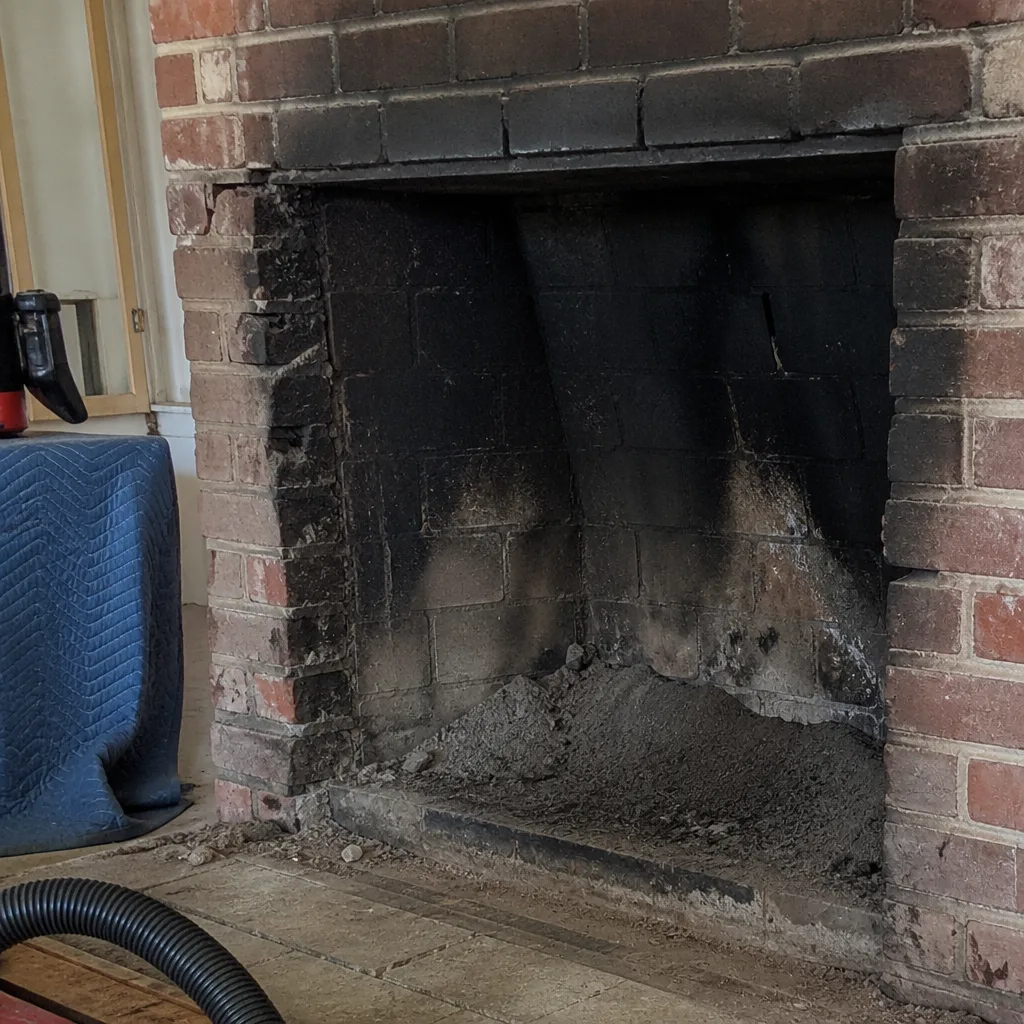 Before
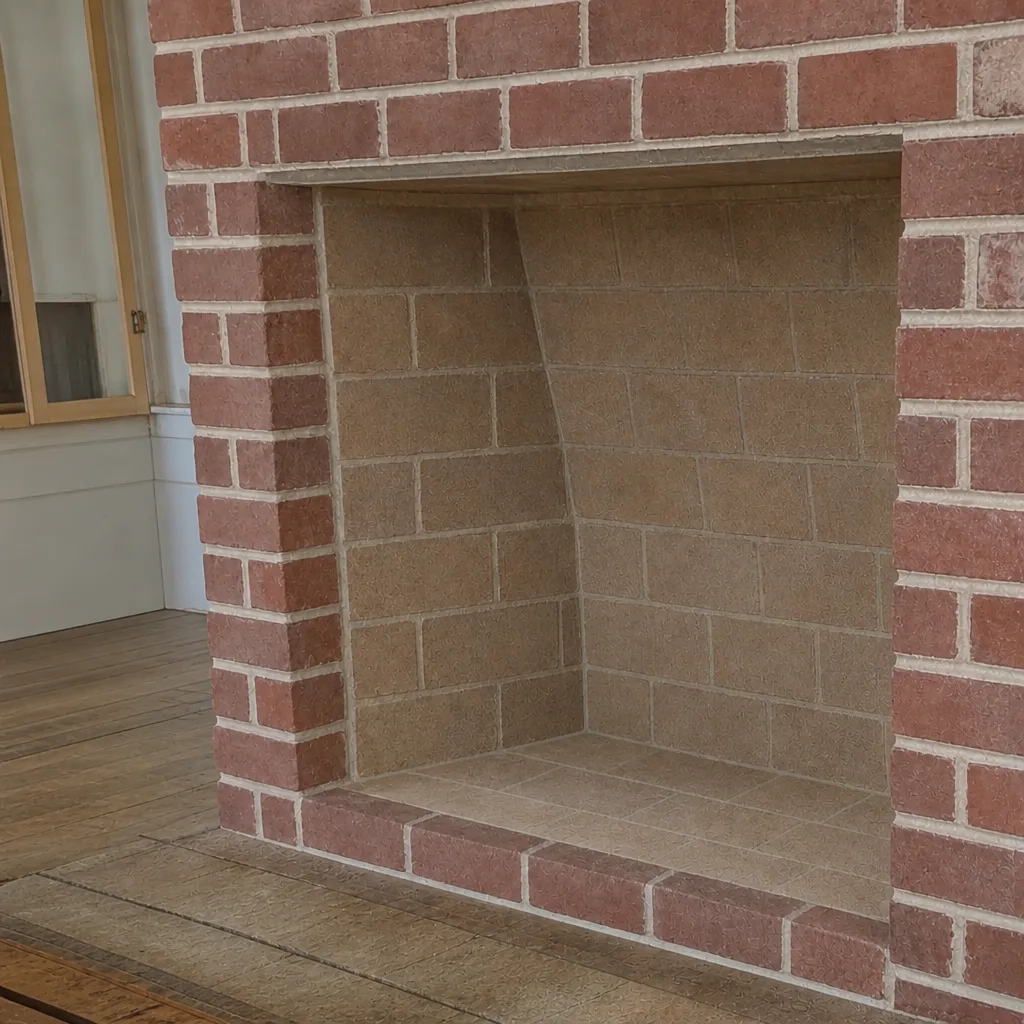 After
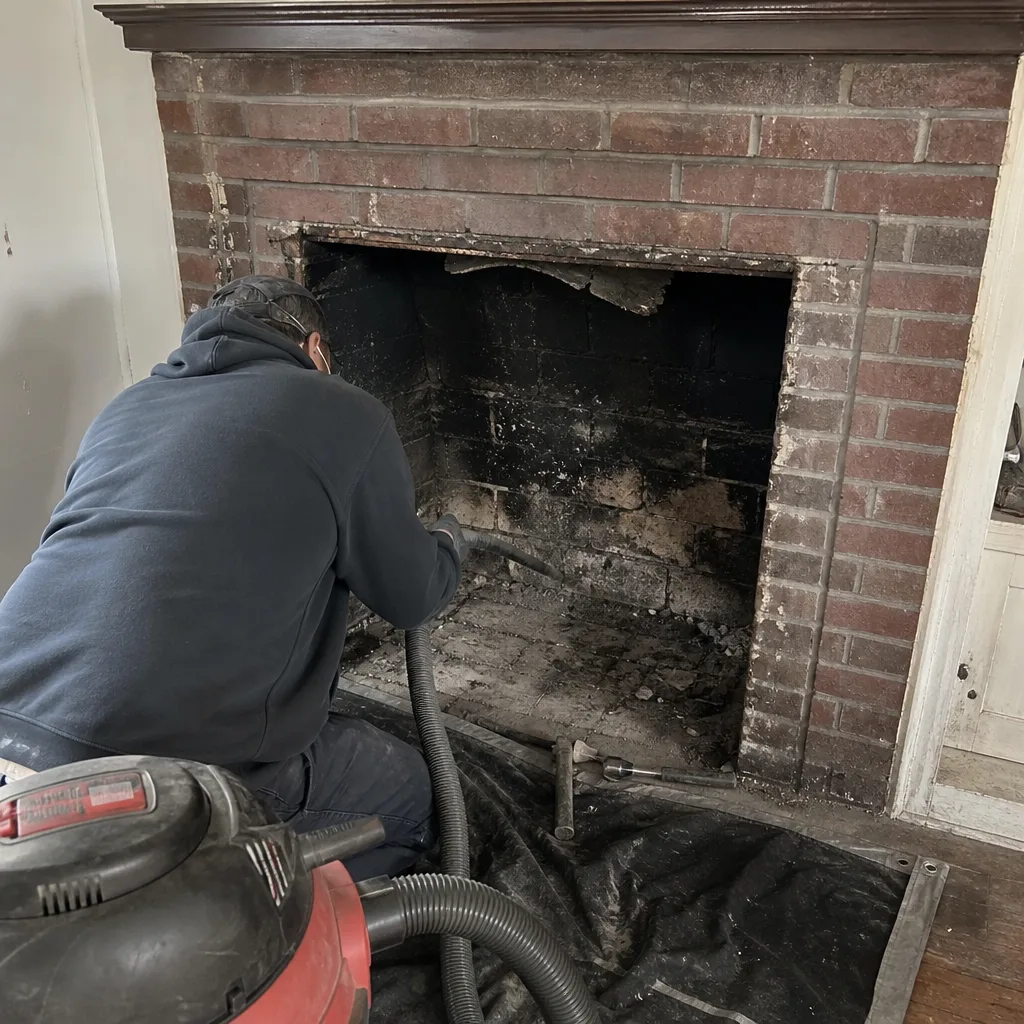 Before
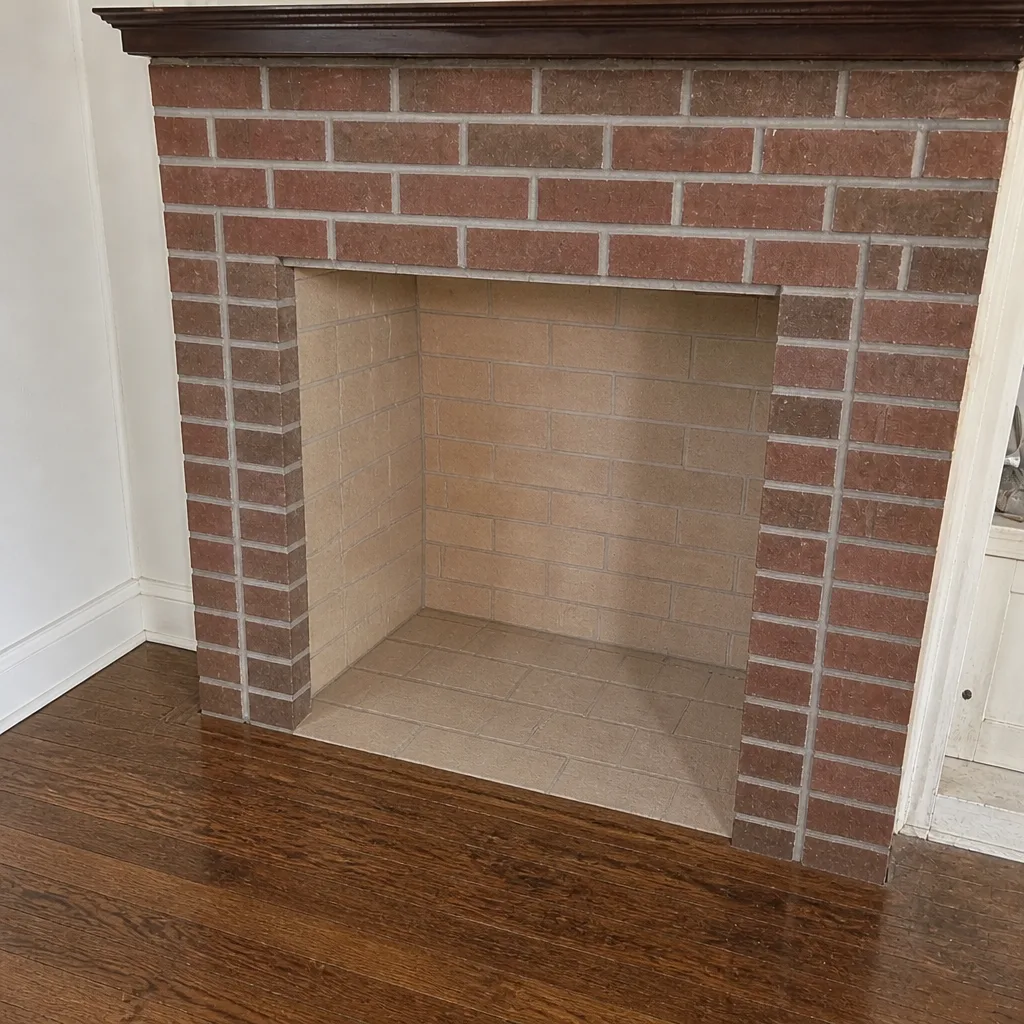 After
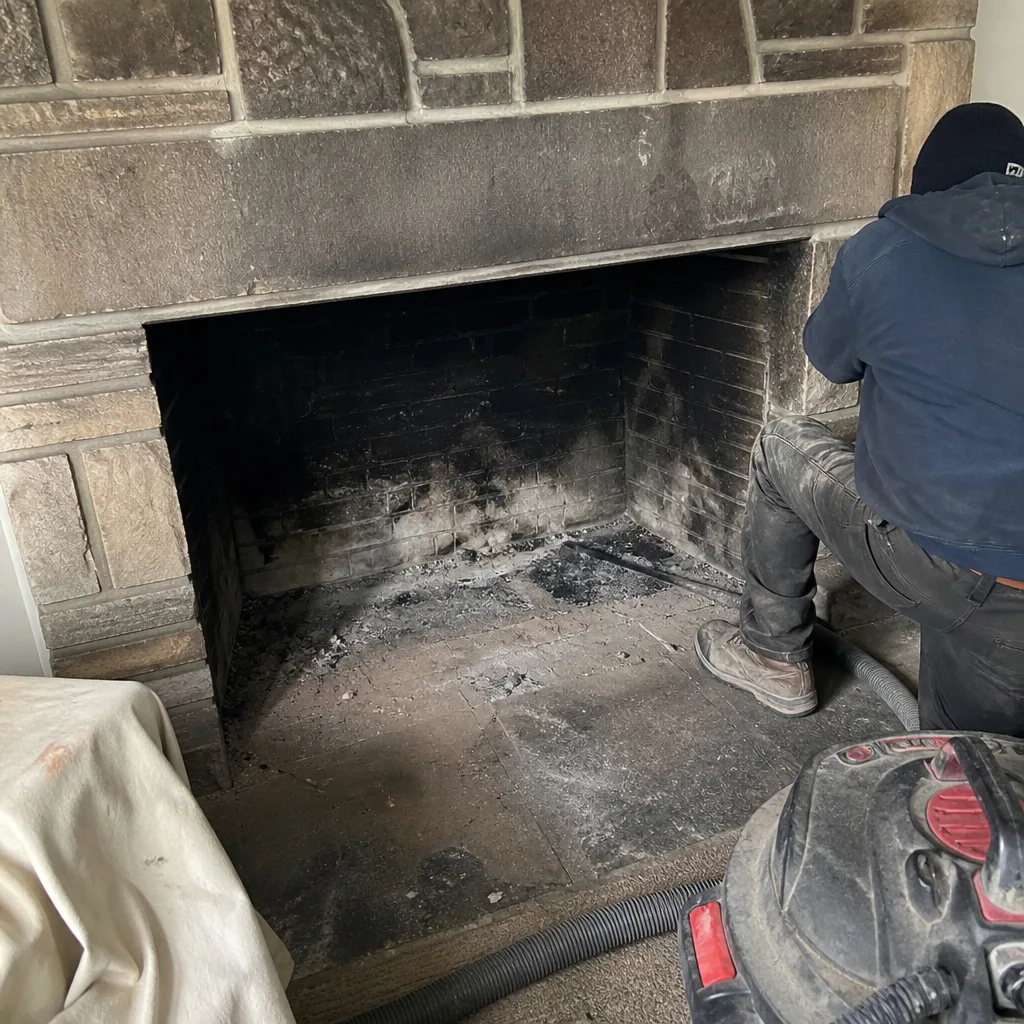 Before
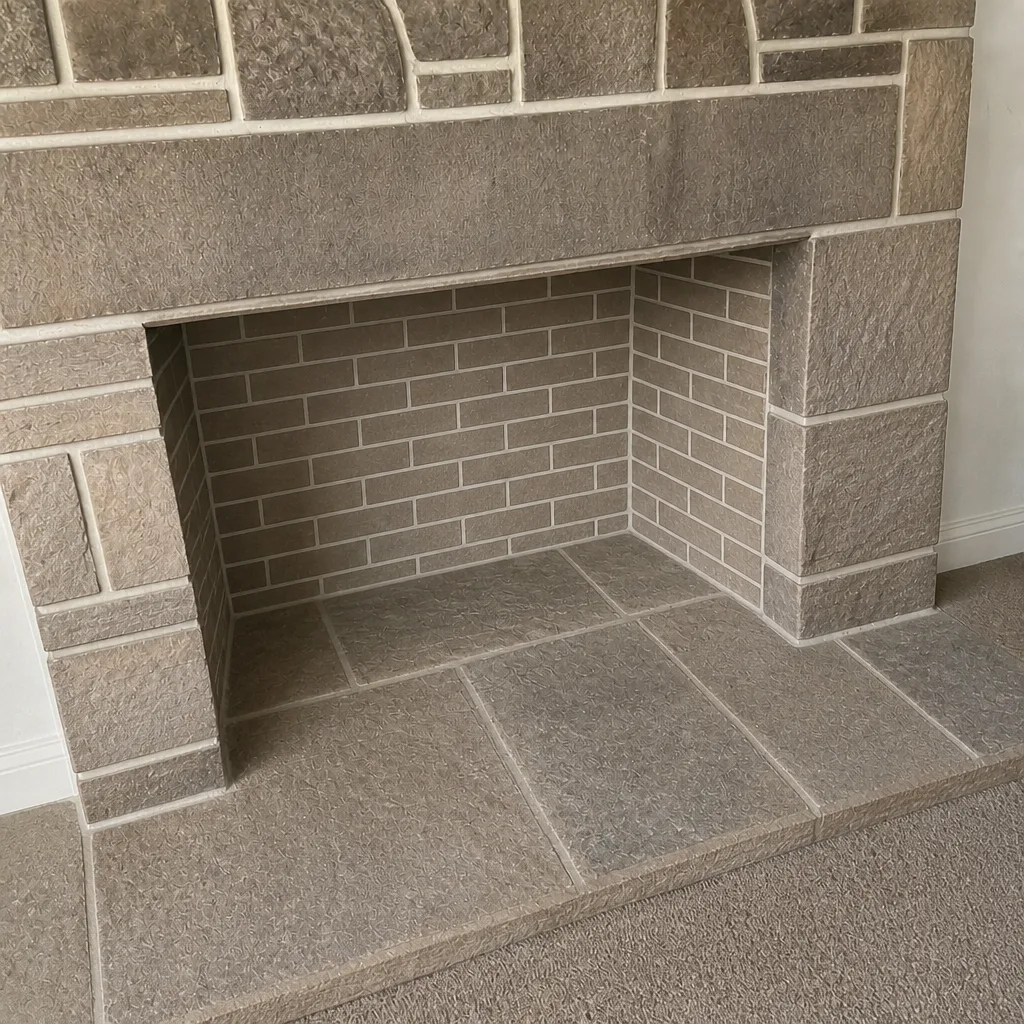 After
When to Call a Professional
Some tasks are reasonable for a careful homeowner with the right product. Some are not. Call a professional if you’re having water problems you can’t trace, if a crown is cracked through or has lost its bond to the flue, if the brick face is spalling on a chimney you can’t safely reach, or if you don’t know the condition of the flue and haven’t had it inspected. Any task on a steep or high roof is a height-safety job, not a DIY one. And any question about the flue’s condition or a liner is worth a professional diagnosis, because the wrong call there is a safety issue, not a cosmetic one. Chimney Sweep Soundview offers free estimates in Soundview; call (866) 947-9290.
Frequently Asked Questions
There’s no single best brand for every category, and any answer that names one product for everything is overselling. For sealants and masonry materials, the trade brands like Gelco and Olympia Chimney carry the specs that matter; for liner systems, makers like DuraFlex and HeatShield. For brushes and hand tools, a generic product works fine. Match the brand to the category, not the other way around.
Yes, and this is the category where it matters most. Consumer waterproofing products are often film-formers that trap moisture in the masonry, and in a freezing climate the trapped moisture expands and spalls the brick. A breathable, vapor-permeable trade sealer is the right product even when you apply it yourself. Buy it from a masonry supply house or a trade channel, and read the data sheet first. Call (866) 947-9290 if you want us to look at your chimney and tell you what it needs.
Look at the data sheet, not the front of the package. A vapor-permeable sealer will list a perms rating and will typically be siloxane-based; a film-former sits near zero perms. A quick field clue: a breathable sealer soaks in and leaves no visible film once it dries, while a film-former leaves a shine. If the label promises a “sealed surface” or a “protective film,” that’s a warning on a chimney.
Less than the category does. The type of product (powder, liquid, or log-style) matters more than the brand, because the right type depends on the deposit. A chemical treatment can loosen light creosote, but heavy glazed buildup needs mechanical cleaning, and no brand of remover substitutes for a proper sweep. If you’re not sure what’s in your flue, an inspection will tell you. Call (866) 947-9290 to book one.
Often yes. Masonry and chimney supply houses in the New York market typically sell over the counter, and some liner systems go through authorized channels that handle the technical questions. The one category where you usually want the material to come with the installer is liner work, where the product and the application are a matched system. Ask for the data sheet whenever you buy.
Soundview chimneys deal with real freeze cycles and a lot of older brick and mortar, so the vapor-permeability question hits harder here than in a milder climate. That’s why we treat waterproofing and crown work as high-stakes categories and brushing as a commodities category. If you’re in Soundview and want a straight read on what your chimney needs, a Chimney Sweep Soundview inspection will give you the diagnosis first. Call (866) 947-9290 and estimates are free.
The Bottom Line
The brand question is really a category question. For anything mechanical, buy generic and move on. For anything that seals, bonds, or waterpoofs masonry, treat the brand and the data sheet as a genuine spec, because a film-forming sealer or a low-temperature caulk does real damage in a climate with hard freezes. Read the sheet for permeability, service temperature, and movement range. Buy the trade-grade product for waterproofing and crown work even when you apply it yourself. And when the flue or the liner is in question, get a diagnosis rather than a product recommendation. Your chimney is a system; treat it like one.
Chimney Sweep Soundview provides chimney and fireplace services in Soundview at (866) 947-9290, covering sweeping, inspection, cap and crown, chimney repair, and fireplace repair, and we work with the same professional-grade materials chimney engineers specify. Call for a free estimate. We answer 24/7. Fast dispatch from 7am to 7pm, Sunday through Friday.
Written by the team at Chimney Sweep Soundview.