
Last updated November 25, 2026
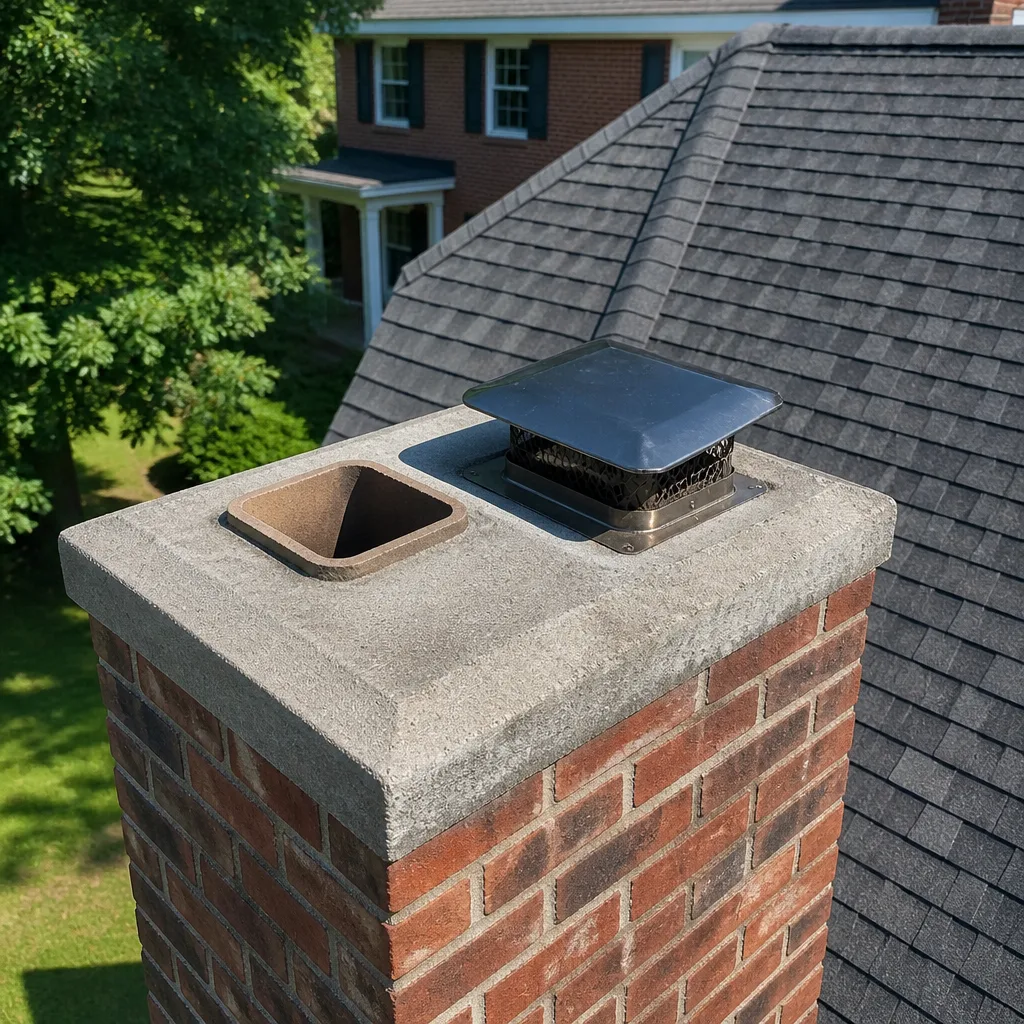 Sweep & inspection
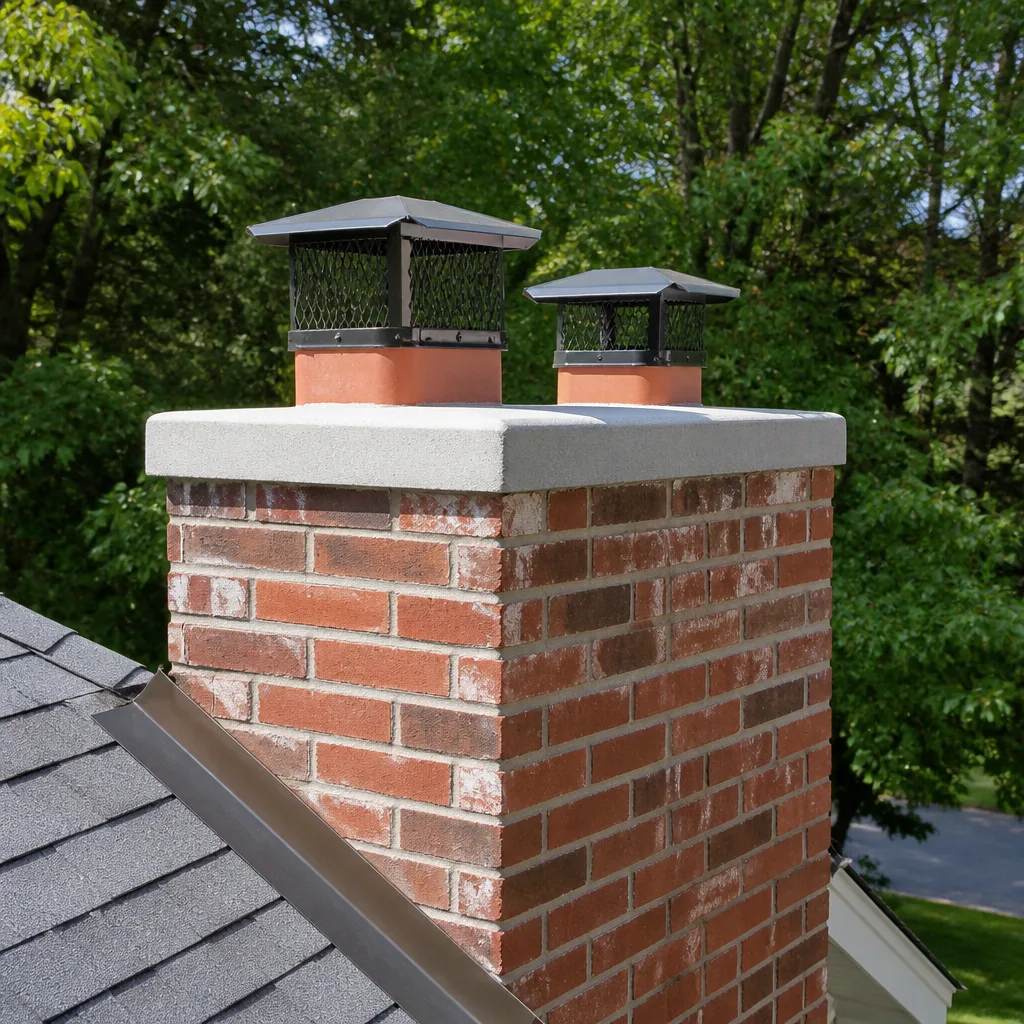 Caps & crowns
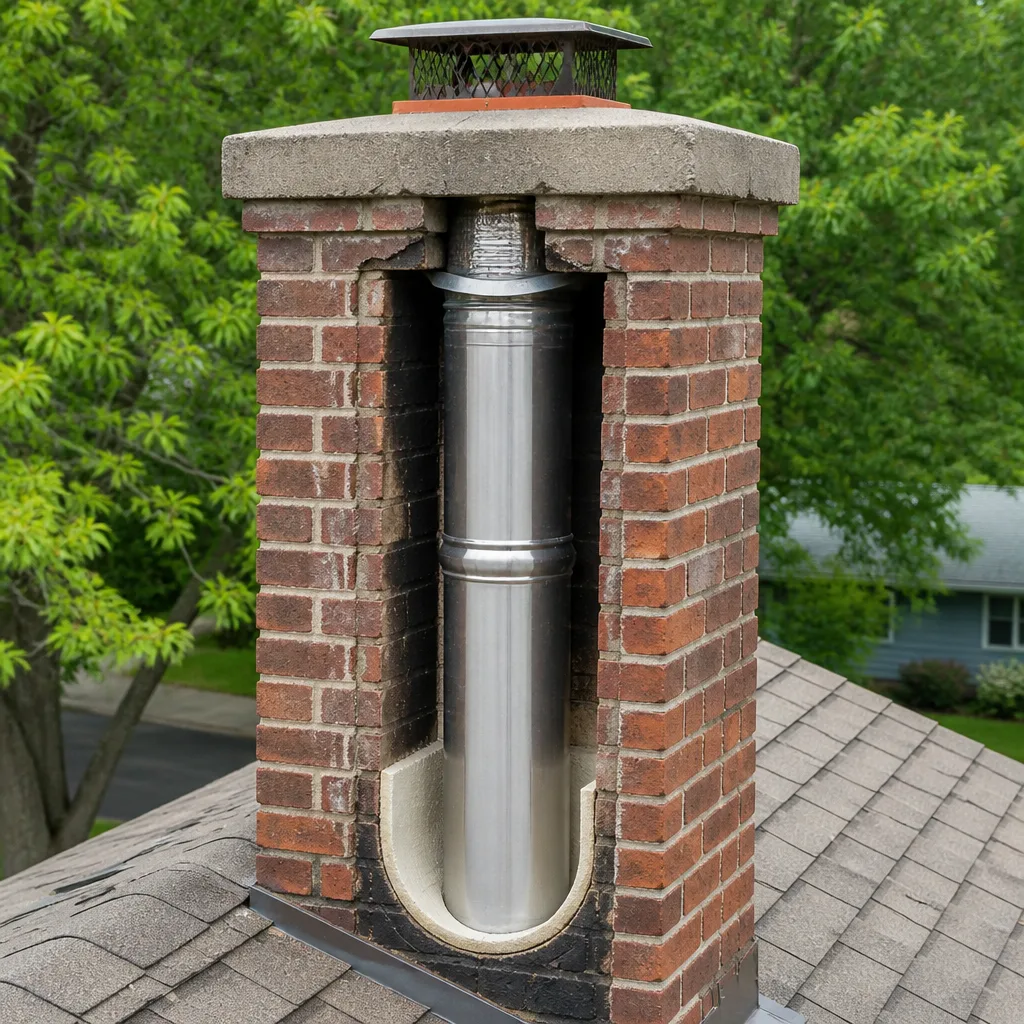 Flue relining
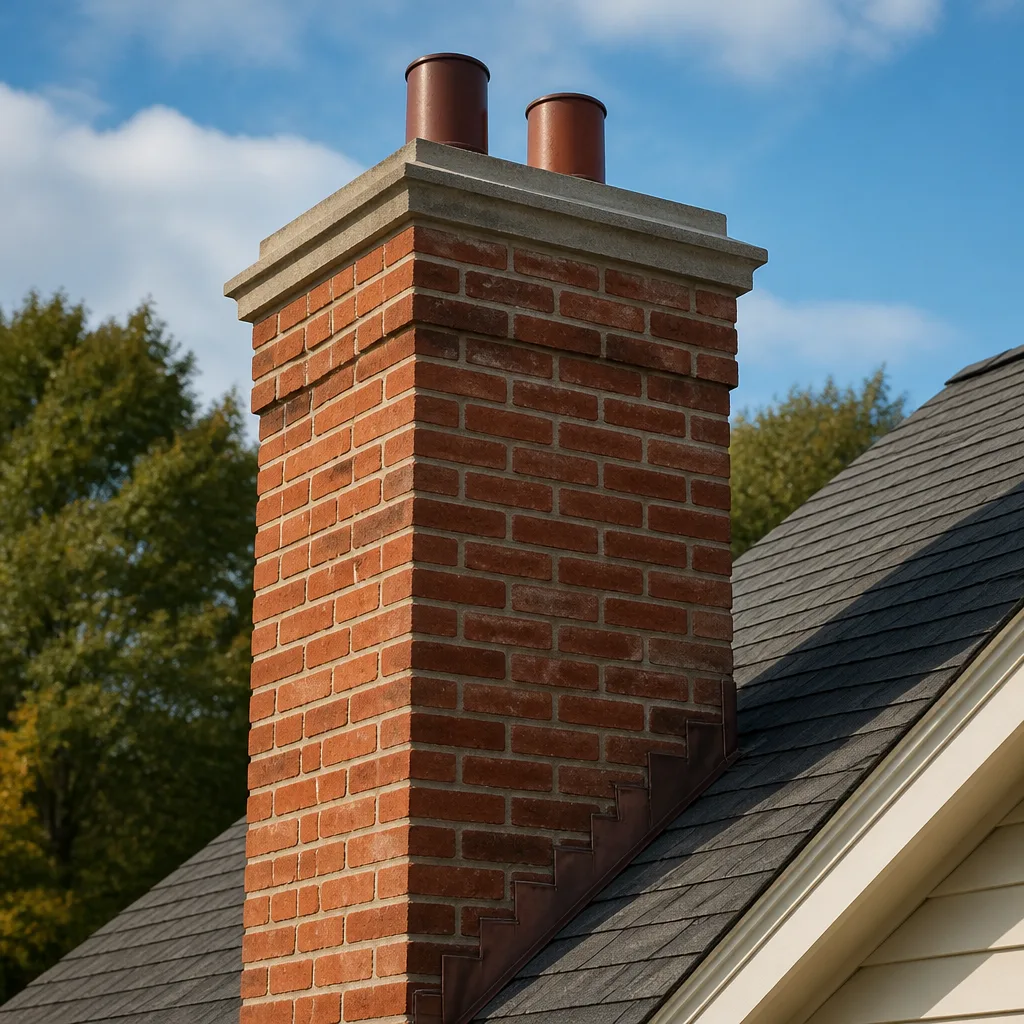 Masonry repair
 Gas fireplace service
Level 1 sweep and inspection to the NFPA 211 annual standard - flue, crown, cap, and flashing checked and photographed
Chimney sweep logs do not sweep chimneys. They loosen some creosote - which then falls where a brush and vacuum still have to collect it.
Chimney Cleaning Permits, Codes & Inspections in Soundview, NY: What You Need to Know
Most homeowners assume a chimney permit is only something a builder pulls for new construction. That’s the misconception worth clearing up first. In New York City, a good deal of repair work on an existing chimney falls under the Department of Buildings permit process too, and a liner replacement done without one isn’t just a code violation. If a fire occurs, your insurer has grounds to look hard at an unpermitted alteration when it decides whether to pay a claim. That’s not fine print; it’s a material risk. This guide walks through which chimney work in Soundview triggers a DOB permit, which work falls under routine maintenance, how Local Law 11 fits for attached and multi-unit buildings in the Bronx, and what a compliant inspection actually looks like. You’ll finish knowing what to ask for, who signs off, and how to document the job either way.
Quick Answer
In Soundview and the rest of New York City, routine chimney cleaning and annual maintenance don’t need a DOB permit, but structural changes do: re-lining a flue, rebuilding a chimney above the roofline, altering the firebox, or installing a new appliance vent. A code-required inspection is the one your permit or insurer asks for; an NFPA 211 inspection is the fuller evaluation of the whole venting system. When a permit applies, the inspection that closes it out is separate from an annual sweep and should be documented in writing with photos.
Styles & brands we work with
- Sweep & inspection
- Caps & crowns
- Flue relining
- Masonry repair
- Gas fireplace service
Table of Contents
- Which chimney work in Soundview needs a DOB permit, and which doesn’t
- How Local Law 11 and facade rules touch chimney work on Bronx buildings
- Code-required inspection vs. NFPA 211: what’s the difference?
- What a compliant post-repair inspection involves and who signs off
- Documenting chimney work for your insurer, permit or not
- What Soundview’s housing stock means for your chimney
- Five steps to take before any repair starts
Which chimney work in Soundview needs a DOB permit, and which doesn’t
The line between “maintenance” and “construction” is where most confusion lives, and it’s the first thing we sort out on a diagnostic visit. New York City’s building code is built around the idea that maintenance restores something to its working condition, while an alteration or a new installation changes the system itself. A sweep, a cap replacement with a like-for-like cap, and a crown patch generally sit on the maintenance side. Replacing the flue itself, or opening up masonry to do it, usually doesn’t.
Here’s how the work you’re most likely to face in Soundview tends to break down:
- Routine sweep and creosote removal: maintenance. No permit.
- Inspecting the flue with a camera: diagnostic. No permit.
- Swapping a damaged cap or rain cover for a matching one: maintenance.
- Repointing a crown or patching minor spalling: typically maintenance when it doesn’t alter the structure.
- Installing a new stainless liner (DuraFlex, for example): an alteration. Permit territory.
- Rebuilding a chimney above the roofline: structural. Permit required.
- Altering the firebox or hearth dimensions: an alteration. Permit required.
- Adding or replacing a vented appliance connection: typically requires a filing.
Two caveats matter here. First, “typically” is doing work in that list, because the trigger depends on scope, how the structure is described on the certificate of occupancy, and how the work is drawn. Second, this is a guide, not a building department ruling on your specific chimney. The safe move is to ask the DOB or a licensed professional before work starts, not after. When we quote a job that crosses that line, we say so plainly and explain what the filing involves. Our chimney repair work often starts with exactly that conversation.
How Local Law 11 and facade rules touch chimney work on Bronx buildings
Local Law 11, the facade inspection rule, is about the outside of a building rather than the flue itself, but the two areas of work overlap more than people expect, especially on larger Bronx buildings. The law sets a schedule for inspecting and maintaining exterior walls on buildings above a certain height, and a chimney stack is part of that exterior envelope. When an exterior wall inspection or repair cycle is happening, a cracked chimney crown or loose masonry at the roofline is exactly the kind of exterior condition that turns up.
For a single-family home in Soundview, Local Law 11 in its strict application usually isn’t the driver. For attached townhouses, multi-unit buildings, and anything where the chimney is part of a shared wall or roofline shared with a neighbor, it’s a different story. Three things matter:
- Shared structures, shared responsibility. A chimney serving two units on a party wall may be a building-wide concern, not one homeowner’s. Permits and repairs then get coordinated, not done unit by unit.
- Roofline masonry is exterior masonry. Repairs to a stack that’s part of the facade can’t be treated as an invisible “just me and my fireplace” project.
- Records belong to the building. If a repair touches shared exterior masonry, the documentation should live with the building’s records, not only in a homeowner’s folder.
If you own or manage a multi-unit property in Soundview, ask whether current facade work or a facade inspection cycle covers the chimney. Getting the answer up front avoids a job done one way for the flue and a different way for the masonry six inches away. Our chimney cap & crown work on shared stacks is often planned alongside whatever the building is already doing to its walls.
Code-required inspection vs. NFPA 211: what’s the difference?
These are two different inspections with two different jobs, and homeowners often use the terms interchangeably. A code-required inspection is the one a building official, a permit, or an insurer requires to confirm the installation or repair meets the code that governs it. An NFPA 211 inspection is a broader evaluation of the chimney and venting system against the National Fire Protection Association standard, which some municipalities have adopted as their own reference. One answers “does this comply with the permit and the code?” The other answers “is this whole venting system in sound working condition?”
When each one applies:
- You’re closing out a permit for a liner install or rebuild: the code-driven inspection applies. It’s checking the finished work against the plan and code.
- You’re buying a home or renewing insurance: an NFPA 211-style evaluation is usually what’s wanted, because it covers the whole system, not just the permitted scope.
- You’re starting a wood-burning routine: annual inspection of the full system, closer in spirit to the NFPA 211 level, because that’s how you catch a developing problem before it becomes a repair.
- You had a chimney fire or a suspected one: a full-system evaluation, because a code inspection limited to a repair scope can miss damage outside that scope.
The practical advice: don’t assume a permit inspection checked everything, and don’t assume a general evaluation examined the specific repair in a way that satisfies a building official. They’re different work with different scopes. We’ll tell you which one your situation calls for and why. A standalone inspection from us is a real inspection, not a safety pretext for selling a liner, which is one reason we offer it as its own service.
What a compliant post-repair inspection involves and who signs off
A proper post-repair inspection is a documented, visual and, where needed, camera-based check that the finished work matches the permitted scope and functions as intended. It isn’t a glance at the crown from the driveway. In Soundview, when a permit was filed, the official sign-off is done through the Department of Buildings process, and that official inspection is a separate step from the contractor’s own quality check.
Here’s the sequence most repair jobs follow:
- Pre-work assessment. Camera inspection of the flue and a look at the exterior stack. The findings, with photos, set the scope.
- Permit determination. We confirm whether the scope crosses into permit territory and, if it does, the filing goes forward before work starts.
- Installation or repair. The liner, crown, or masonry work is completed. Materials matter here: we specify brands like HeatShield for liner restoration and DuraFlex for liners, not hardware-store substitutes.
- Contractor check. After installation, we verify the full system: draft, clearances, connections, cap and crown. Photos are taken of every stage.
- Official sign-off. When a permit applies, the building department’s inspection closes it out. That record lives with the property.
The part homeowners can’t verify themselves is whether the installed liner, the clearances, and the connection details actually match the code the permit requires. That’s why the documentation is the whole point: photos, written findings, and a record of who signed off. When you can see the evidence, you’re not being asked to take anyone’s word for it. If repairs can wait safely, we say so. We treat the chimney from firebox to crown as one system, and one crew handling the full scope, from chimney sweep to structural work, is how that system stays coherent.
Documenting chimney work for your insurer, permit or not
Your insurer cares about the fact of unpermitted structural changes, not the aesthetics of your project file. A documented, permitted alteration shows the work was reviewed to code. An undocumented one gives a claims adjuster pause at exactly the moment you need a claim paid. That’s true even when the fire had nothing to do with the chimney work itself, because an insurer can point to any material unpermitted alteration as a reason to investigate further.
How to build a file you can actually use:
- Keep the pre-work findings. Before-and-after photos of the flue interior, taken during inspection, tell the story of what was broken and what changed.
- Keep the permit record if one applies. The filing, the stamped plan, and the final sign-off are the strongest evidence a job was done to code.
- Keep the written scope and estimate. A line-item scope shows the repair stayed within the permitted or maintenance category it was described as.
- Keep the material spec. If a liner was installed, the brand and type (DuraFlex, HeatShield-restored, or equivalent) should be in writing.
- Ask for the contractor’s inspection summary. A written post-repair summary with photos closes the loop, permit or not.
Even a maintenance-level job benefits from a simple paper trail: the date, what was found, what was done. Insurers rarely ask for it until they do, and then it matters. We hand over inspection photos and written findings on every job, because a homeowner who can see the evidence can also document it.
What Soundview’s housing stock means for your chimney
Soundview is a Bronx neighborhood where the housing stock shapes the chimney conversation. Older rowhouses and attached buildings, many with masonry stacks that have been through decades of weathering, sit alongside multi-unit buildings with shared structures. Two patterns come up again and again on these chimneys.
Masonry that’s been patched but not addressed. A crown that has cracked, been patched, and cracked again is usually a drainage problem below the patch, not a patch problem. The masonry work is chimney-repair category work, and it’s the kind of thing that turns a maintenance item into a structural project if it’s let go. In Soundview’s cold winters, freeze-thaw cycles are what wear at crowns and mortar joints, and a chimney that isn’t shedding water correctly sees more of that wear. A proper crown and cap job, done with the right materials, is cheaper than a rebuild. Our chimney cap & crown work usually starts here.
Flues that need diagnosis, not a guess. In attached buildings and older homes, the flue condition varies unit to unit. That’s why camera inspection first, and a written, photographed report second, is the only honest basis for recommending a liner or a restoration. When the flue is cracked but not collapsed, HeatShield restoration can often reline the damaged section without the full tear-out a replacement requires. When the flue needs a complete liner, that’s a different scope and, often, a different permit category. Either way, the diagnosis comes before the recommendation, and the evidence goes to the homeowner.
One local touchpoint: in a neighborhood with a mix of owners and renters, the person paying for the repair isn’t always the person who lives with the chimney. The documentation needs to reach whoever makes the decision, which is another reason we put it in writing.
Five steps to take before any chimney repair starts
Whether the job is a routine sweep or a structural rebuild, the process that protects you is the same. Here’s how a typical project should unfold in Soundview.
- Get a diagnostic inspection first. A camera inspection of the flue and an exterior look at the stack. No scope should be set without this. The report should include photos you keep.
- Ask whether the work needs a permit before anyone quotes a price. “Will this be filed with the DOB?” is a fair question on any structural or liner job. A straight answer tells you a lot about who you’re dealing with.
- Get the scope in writing. The written estimate should say what’s being done, what material is specified, and whether a permit and official inspection are included. The estimate sets the final price, so the scope has to be specific.
- Confirm the inspection and documentation plan. Who takes the post-work photos? Who signs off? What record do you get? If it’s a permit job, confirm the official inspection is part of the plan.
- Understand what can wait. Some findings are urgent; some repairs can safely be scheduled later. A contractor who can tell you the difference, with evidence, is the one to hire.
The overarching rule: no recommendation without camera evidence the homeowner can see, and an honest answer on whether the job needs a permit. That’s the whole basis on which a chimney project should be sold.
Common Mistakes to Avoid
- Assuming the sweep crew will handle the permit. Some jobs are sweep-only and some are permit jobs, and the two get quoted separately. Ask who’s filing, or whether anyone is.
- Skipping the pre-work inspection to save money. A liner installed on a guess is a liner installed on the wrong flue. The inspection is what makes the repair correct, especially on Soundview’s older attached buildings.
- Treating a patched crown as a finished repair. A crown that cracks again is usually telling you the drainage problem underneath was never fixed. Patch the cause, not the symptom.
- Not keeping the documentation. Homeowners who can produce photos, the written scope, and the sign-off after a claim have a much stronger file than those who can’t.
- Confusing a code inspection with an NFPA 211 evaluation. One confirms the permit and code; the other evaluates the whole venting system. They’re not interchangeable.
- Buying the materials off a shelf. A substitute liner or cap from the big-box aisle is not the spec a chimney engineer would call for. Ask what brand and type is being installed.
- Waiting out a crack until it’s a rebuild. A crown and masonry repair, done at the right time, is far less work than the rebuild that follows years of freeze-thaw damage. Soundview’s winters reward early action.
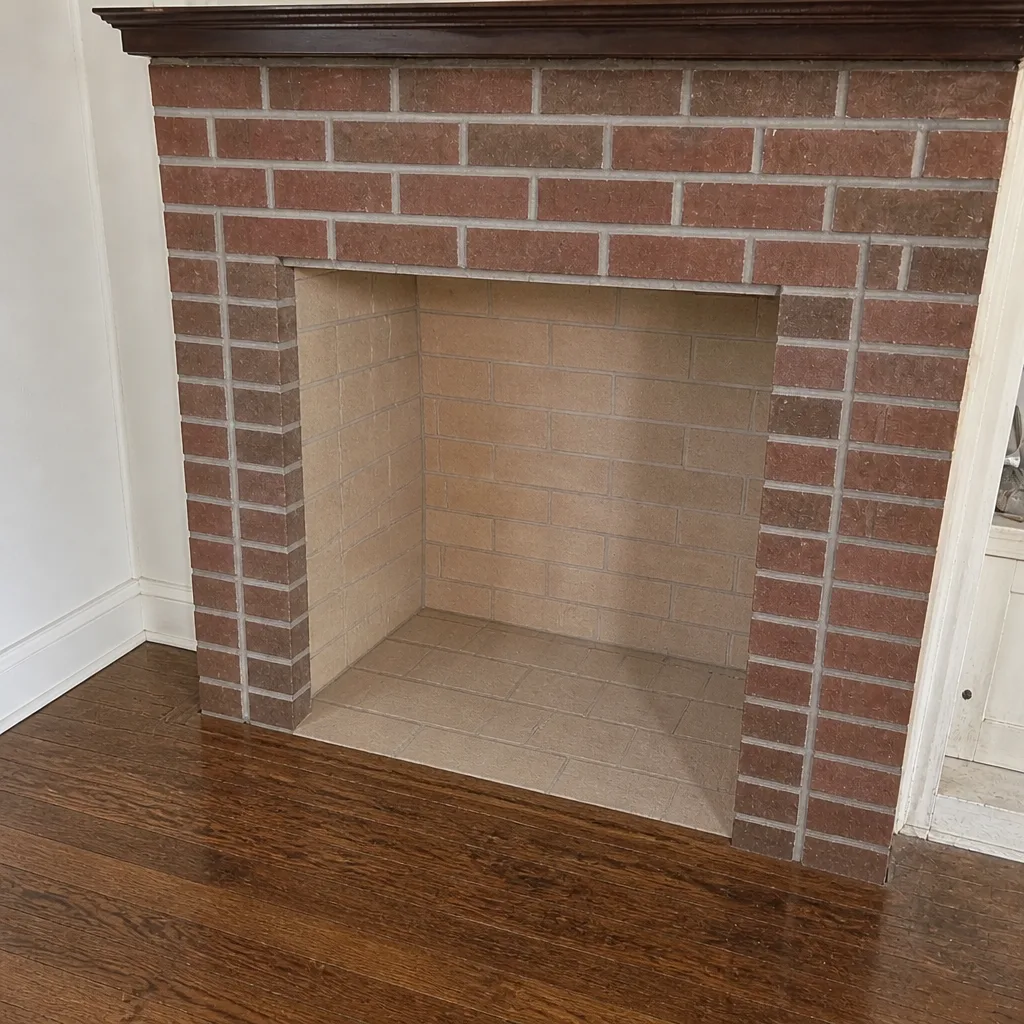
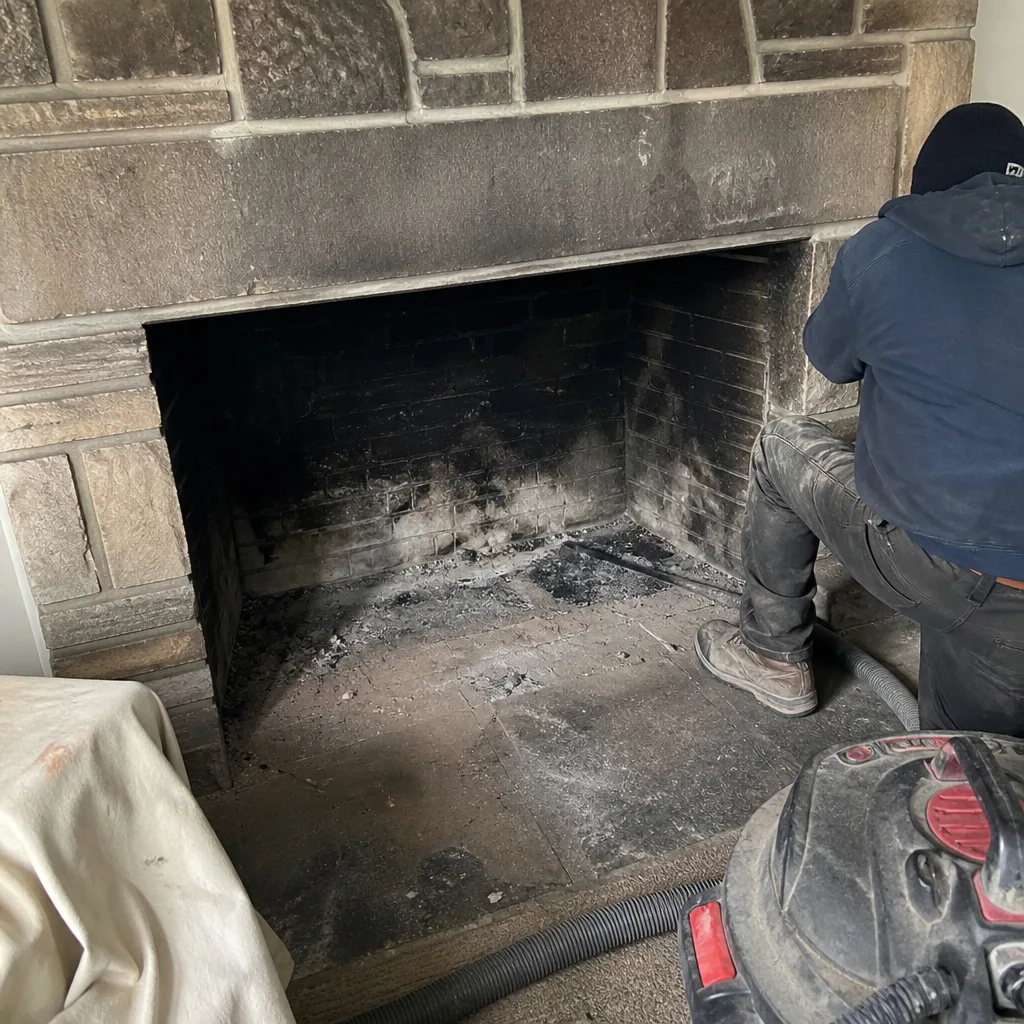
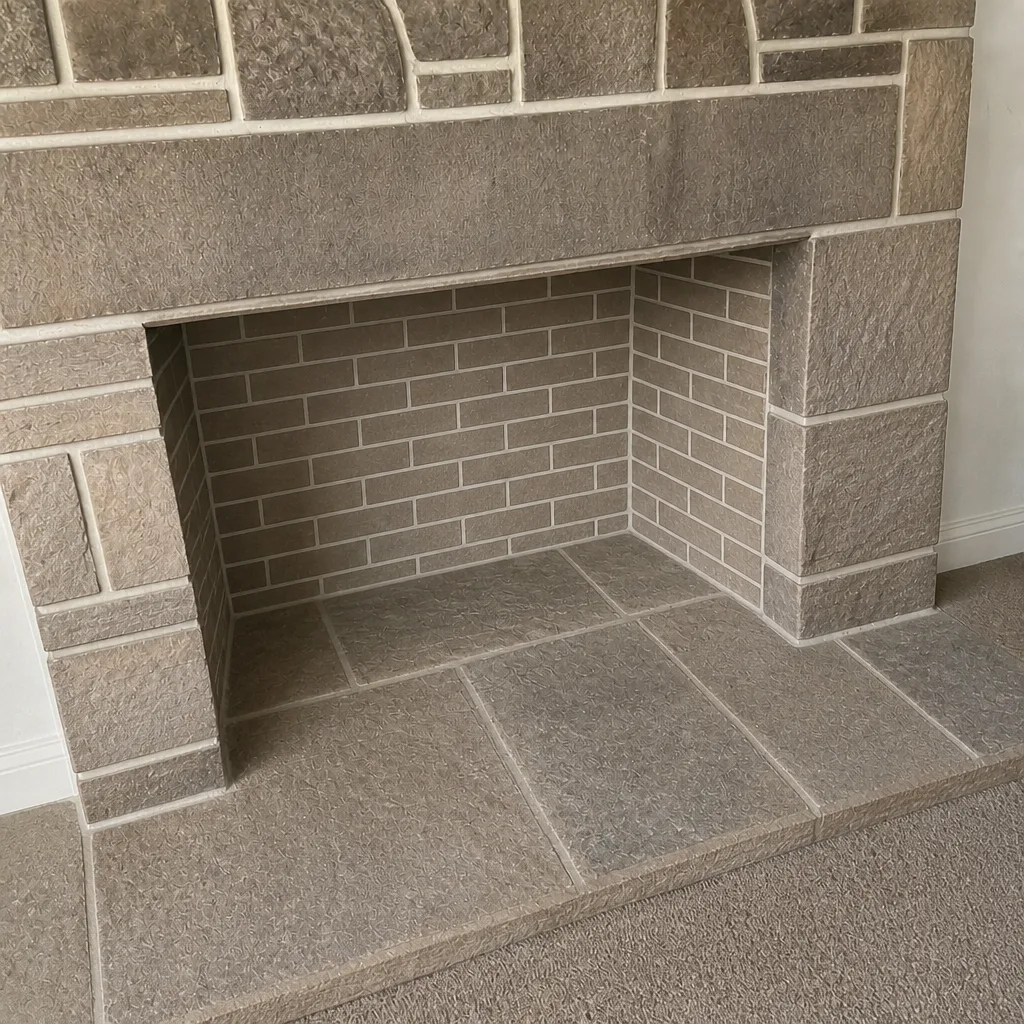
See the difference
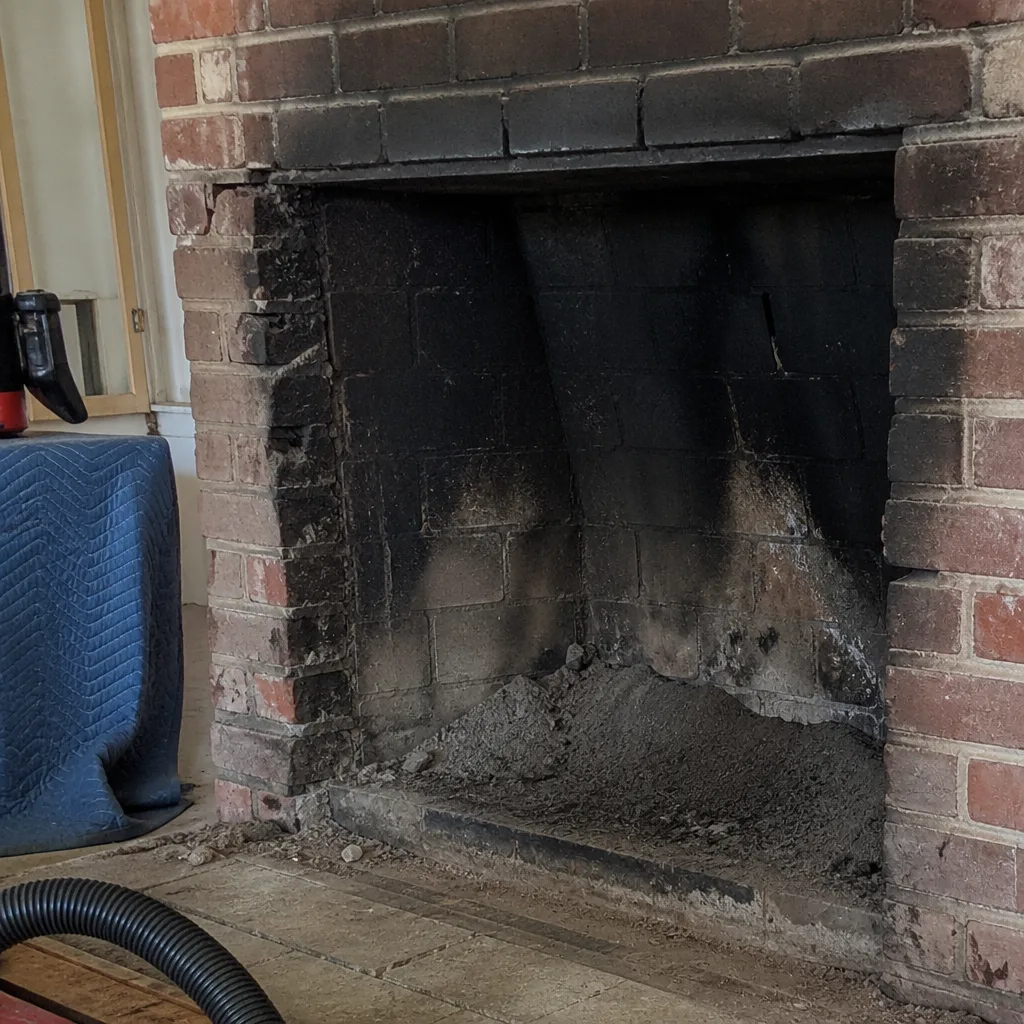 Before
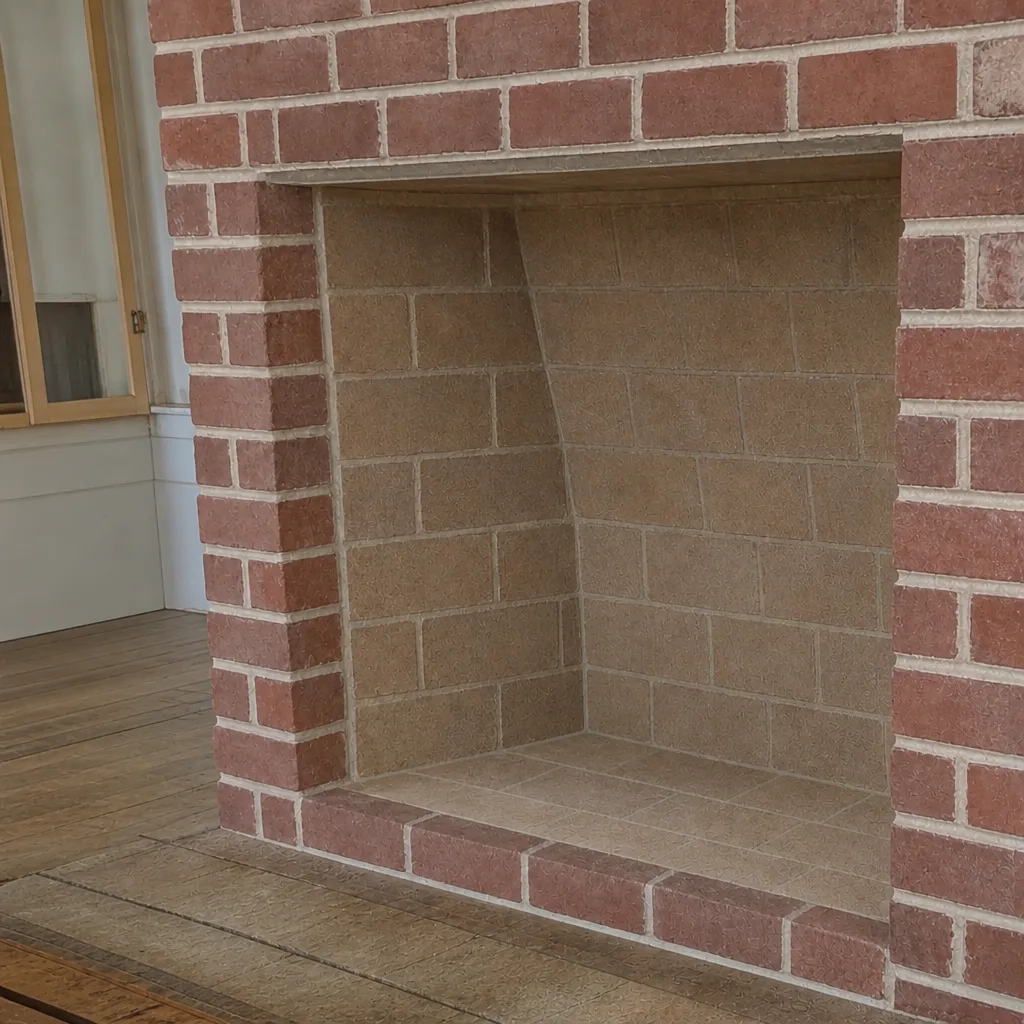 After
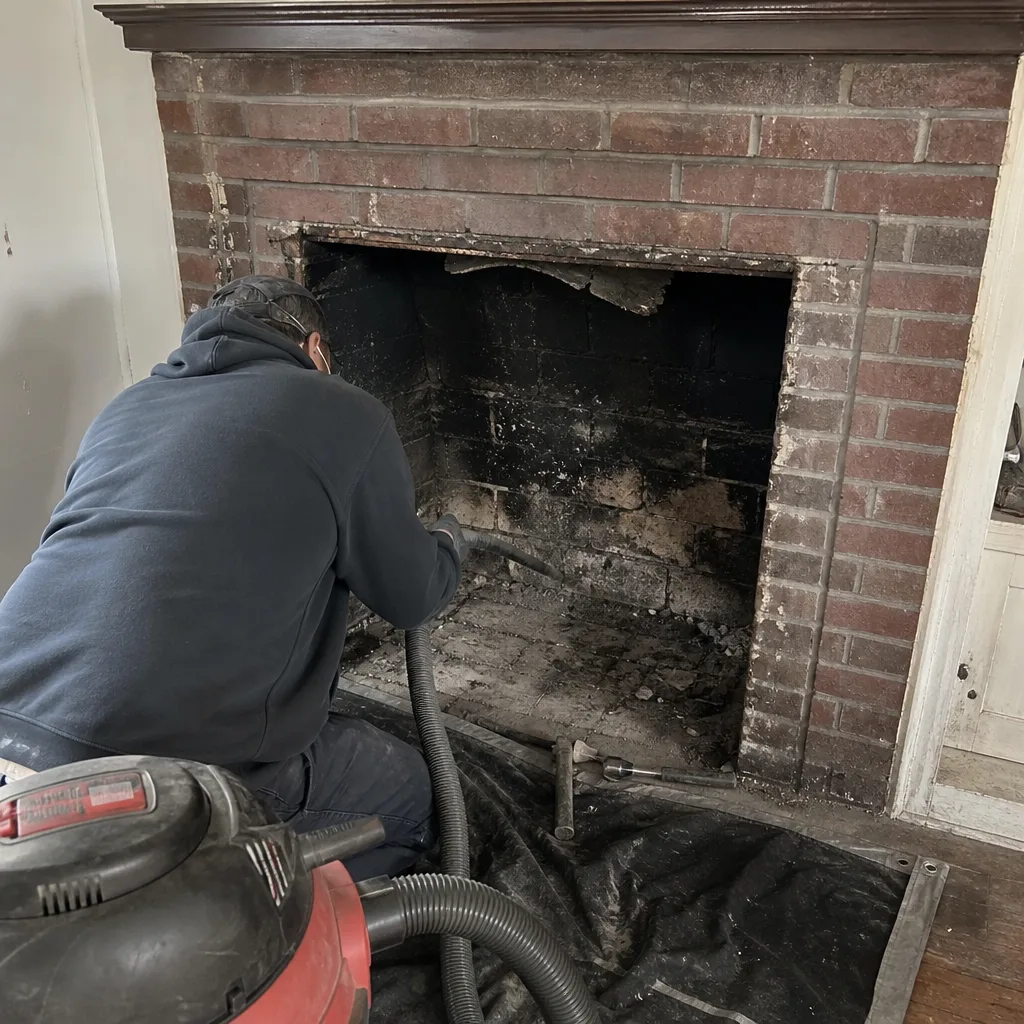 Before
 After
 Before
 After
When to Call a Professional
Call us when you’re facing any of these: a repair somebody has quoted but not explained; a chimney you’ve never had inspected; a home purchase or insurance renewal that needs a full-system evaluation; a wood-burning routine you want started right; or a building in Soundview where the chimney is part of a shared wall or roofline and the coordination isn’t clear. A sweep should also be booked before your heating season starts, not after you notice a draft. And if the question is whether a job needs a permit, that conversation should happen before work begins, not after. Chimney Sweep Soundview offers free estimates in Soundview. Call (866) 947-9290. We answer 24/7. Fast dispatch from 7am to 7pm, Sunday through Friday. The local pros we connect you with are licensed as the state requires, and the estimate sets the final price per job.
Frequently Asked Questions
No. Routine chimney cleaning (a sweep) is maintenance and doesn’t require a DOB permit. Permits come into play when the work changes the structure or the venting system, such as a new liner, a chimney rebuild above the roofline, or a firebox alteration. If you’re unsure which category your job falls into, call (866) 947-9290 for an exact read on it, and estimates are free.
No, a sweep is a cleaning and an NFPA 211 inspection is a full evaluation of the venting system against the standard. A sweep removes creosote; an inspection evaluates whether the whole system is sound and, when a permit applies, whether the code-required inspection has been met. Both are worth having on a regular basis. Call (866) 947-9290 for an exact quote on an inspection, and estimates are free.
Local Law 11 applies to exterior facade inspections on qualifying buildings, and a chimney stack is part of the exterior envelope, so on some Soundview buildings it does come into play. For a single-family home it’s usually not the driver; for multi-unit or attached buildings where the stack is part of a shared roofline, it often is. Ask whether current facade work covers the chimney before a repair begins. Call (866) 947-9290 to talk it through, and estimates are free.
The work is done without the official sign-off that confirms it was built to code, and if a fire occurs, your insurer can examine the unpermitted alteration closely when deciding on a claim. That’s the real risk, not the fine alone. The fix is to file and inspect the work from the start. Call (866) 947-9290 for an exact quote, and estimates are free.
The official sign-off comes through the Department of Buildings inspection process for the permitted scope. The contractor’s own post-repair check, with photos and a written summary, is separate and worth having either way. Neither replaces the other. Call (866) 947-9290 for details on documentation, and estimates are free.
Yes. Keep the pre-work inspection photos, the written scope and estimate, the material spec, and the post-repair summary. For maintenance-level work, those documents are your record that the job stayed in the maintenance category it was described as. Call (866) 947-9290 for an exact quote on an inspection, and estimates are free.
The Bottom Line
The permit question isn’t bureaucracy for its own sake. It’s the difference between a repair that’s on record and reviewed, and one that leaves you exposed if anything goes wrong later. In Soundview, routine cleaning and like-for-like maintenance don’t need a DOB filing, but liner replacements, structural rebuilds, and firebox alterations do, and the post-repair inspection that closes out a permit is a separate step from the annual sweep. Get a camera inspection, ask the permit question before work starts, keep the documentation whatever the scope, and treat the chimney as one system from firebox to crown. Start with Chimney Sweep Soundview and let the evidence make the case for whatever the flue actually needs.
Ready to sort out permits, inspections, and repairs in Soundview? Call (866) 947-9290 for a free estimate. We answer 24/7. Fast dispatch from 7am to 7pm, Sunday through Friday. A call outside dispatch hours is booked into the next opening, Sunday through Friday, 7am to 7pm.
Written by the team at Chimney Sweep Soundview.